

News
Why a Fuel Maintenance Additive is Essential for Seasonal Fleets

A fuel maintenance additive is essential for seasonal fleets because fuel breaks down during long storage periods, and treating it keeps equipment starting year-round reliably.
Seasonal fleets include any vehicles or machines used only part of the year, such as agricultural equipment, snow removal trucks, boats, RVs, backup generators, and construction equipment parked between jobs. When these machines sit idle, the fuel inside them starts to degrade.
Fuel quality degrades during storage for two main reasons: gasoline and diesel fuel react with oxygen through oxidation, and condensation adds water to partially filled tanks. Over weeks or months, this creates sticky deposits, corrosion, and fuel that no longer burns cleanly.
The right fuel additive slows this breakdown, controls moisture, and guards against rust, protecting fuel system components and supporting engine efficiency the day your fleet returns to service.
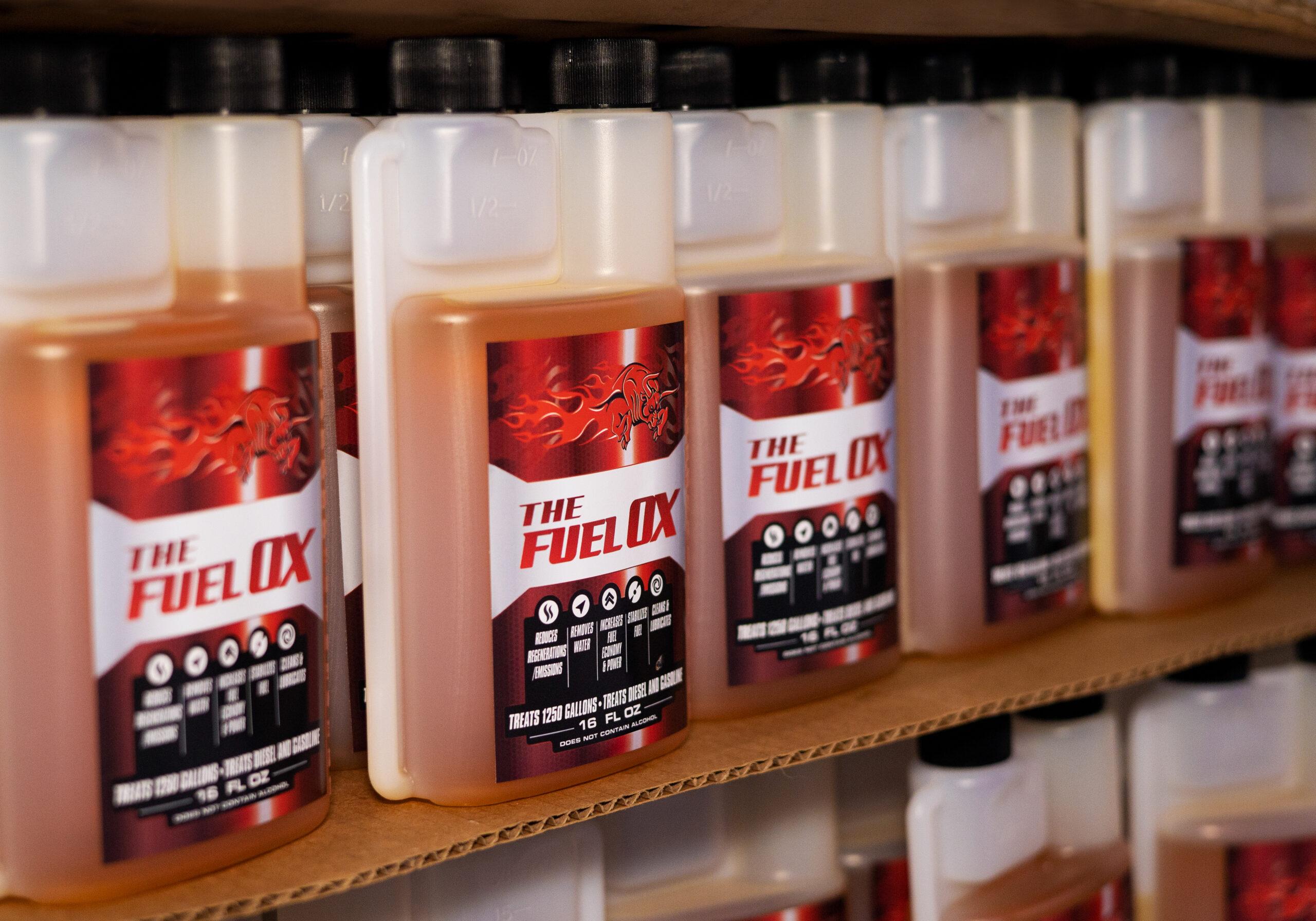
This is where Fuel Ox® comes in, offering fuel additives designed to stabilize fuel and protect equipment through long idle periods. Our all-season and winter formulas are built to handle the exact storage problems seasonal fleets face.
Key Takeaways
- Stored fuel degrades, so additives keep seasonal fleets starting reliably.
- Match the additive to your fuel type and storage length.
- Gasoline needs stabilizers and detergents to prevent deposits.
- Diesel needs broader protection against water, corrosion, and microbes.
- Add a winter or anti-gel treatment before the first freeze.
- Fuel Ox® treatments stabilize, clean, and fight microbes in gas and diesel.
Understanding Your Fuel Type: The First Decision
Before you pick an additive, you need to know what you are protecting. Gasoline and diesel behave very differently in storage, so they call for different protection strategies. Gasoline breaks down faster and tends to form gum and varnish, while diesel is more prone to water contamination and microbial growth.
Using a product built for the wrong fuel type wastes money and leaves gaps in the protection of your fuel system components.
Storage duration is the second piece of the decision. Fuel that sits for a few weeks needs far less help than fuel that sits for an entire off-season. A short break might call for a basic stabilizer, while several months of downtime demand stronger, longer-lasting protection.
Matching the additive to your real storage timeline, whether that is weeks, months, or a full season, is the key to keeping fuel fresh and protecting engine performance without overspending. Good fuel management here also sets up better fuel economy once your equipment is running again.
Fuel Maintenance Additives for Gasoline-Powered Fleets
Gasoline has a short shelf life, and it starts losing quality within a couple of months. As a general rule, a stabilizer becomes necessary when fuel will sit longer than one to three months. Snow equipment stored all summer, boats parked all winter, and generators waiting for the next outage all fall into this window.
Adding a stabilizer before storage is far easier than dealing with a machine that will not start later, and it helps you avoid the sluggish starts that come from degraded fuel.
A quality gasoline stabilizer does several important jobs at once:
- Slows fuel oxidation and degradation
- Prevents gum and varnish deposits from forming
- Reduces corrosion in the fuel system
- Extends fuel usability for roughly 12 to 24 months, depending on the product and storage conditions
Detergent additives play a supporting role that is easy to overlook. Over time, deposits build up on fuel injectors and carburetors, which throws off the fuel and air mix and hurts engine performance.
Detergents keep these vital engine components clean, so your engines run smoothly and deliver better fuel efficiency the moment they come back into service. For fleets that depend on quick, reliable starts, this cleaning action protects engines and is well worth the small added cost per gallon.
Fuel Maintenance Additives for Diesel-Powered Fleets
Diesel demands a broader protection profile than gasoline. It resists evaporation better, but it faces its own set of challenges during storage, especially with water and living organisms. Diesel fuel additives have to handle more than just keeping the fuel fresh.
When choosing a diesel additive, look for a product that covers the full range of storage risks:
- Fuel stabilization to slow the natural breakdown of the diesel
- Water control or dispersal to manage the moisture that collects in tanks
- Corrosion protection for tanks, lines, and metal components
- Microbial growth prevention, which matters most in humid climates or partially filled tanks where bacteria and fungi thrive
- Optional cetane improvement to boost combustion quality, based on your operating needs
That microbial issue deserves special attention. Diesel can grow a slimy layer of bacteria and fungi at the line where fuel meets water, and this “diesel bug” clogs fuel injectors and injector nozzles, blocks filters, and damages systems.
A broad-spectrum diesel additive shuts this problem down before it can spread. Cetane boosters go a step further by supporting smoother combustion, which improves engine performance and helps protect the vital engine components that keep heavy equipment working under heavy loads.
Cold-Weather Considerations for Diesel Fleets
Diesel has one more weakness that shows up when the temperature drops. As it gets cold, the wax naturally found in diesel begins to thicken and form crystals.
This is why fleets in cold climates should switch to a winter-specific additive before freezing temperatures arrive, especially through the winter months when weather conditions change quickly.
A winter additive improves cold-flow performance and prevents fuel gelling, which is when diesel turns thick and waxy enough to block filters and fuel lines. Anti-gel treatments are built to prevent gelling at low temperatures, and gelled fuel can leave a truck stranded and unable to start, so this protection is not optional in harsh climates.
Summer blends and summer heat call for a different approach, since warmer weather brings its own risk of vapor lock, so matching your additive to the season keeps performance steady across seasonal changes.
Timing is everything with cold-weather protection. You need the additive in the tank and circulated through the system before the first hard freeze, not after. Once fuel has already started to gel, treating it becomes much harder.
Watching the forecast and treating your fuel early is the simplest way to keep your diesel fleet moving and reliable all winter long.
Storage Best Practices That Maximize Additive Performance
Even the best fuel maintenance additive works better when you pair it with smart storage habits. The two go hand in hand. An additive protects the fuel, but how you store your equipment decides how hard that additive has to work.
Following a few simple steps before downtime can make a big difference in fleet performance when your equipment comes back to service.
Start with the tank itself. Filling tanks close to full before storage reduces the empty space where air and moisture collect, which cuts down on condensation and water buildup. When you add your stabilizer, put it in before the final fueling at the pump so the fresh fuel mixes it thoroughly throughout the tank.
After treating the fuel, run the engine for 10 to 15 minutes so the treated fuel circulates through the lines, fuel injectors, and filters, not just the tank. This step protects fuel system components across the whole system, not only the fuel in storage.
Where and how you store the equipment matters just as much. Keep these final practices in mind:
- Store equipment in a cool, dry location whenever possible, since summer heat and humidity speed up fuel breakdown and corrosion.
- Inspect and replace fuel filters before returning equipment to service if you suspect any contamination, so trapped deposits or water do not reach the engine.
Is a Fuel Maintenance Additive Worth the Investment?
For heavy equipment that sits idle for months at a time, an additive is one of the most efficient and cost-effective steps a fleet can take.
The math is simple. A bottle of quality additive costs far less than draining a tank of ruined fuel, cleaning a clogged fuel system, or repairing a machine that failed to start when it was needed most. When you compare that small upfront cost to the price of costly downtime and repairs, the benefits become clear.
The payoff shows up in several ways for fleet management:
- Lower fuel replacement costs, since treated fuel stays usable instead of going to waste
- Reduced fuel injector and carburetor cleaning, because deposits never get a chance to build up
- More reliable startups after storage, so equipment is ready the day you need it, and downtime stays low
- Lower maintenance costs tied to degraded fuel, with fewer breakdowns that free up your team for other work
Over time, these gains add up to a real competitive edge. Fleets that treat their fuel see better fuel economy, minimize downtime, and keep operations running smoothly season after season.
Checking Manufacturer Recommendations
Before settling on any product, commercial fleets should verify what the engine maker recommends. Manufacturers test their engines with specific fuels and treatments, and following their guidance keeps your equipment running as designed and supports long-term reliability.
It can also protect your warranty, since using the wrong product could give a manufacturer reason to deny a claim.
Watch for a few specifics in the owner’s manual or manufacturer documentation, along with any performance data the maker provides. Some engines call for a certain additive type, while others provide approved product lists you should stick to.
When the maker names a product line or sets a standard, follow it closely. This is especially important for newer diesel engines with sensitive emissions systems, where the wrong additive can cause real damage to vital engine components.
How Fuel Ox® Helps Protect Your Seasonal Fleet
When it comes time to store your fleet, Fuel Ox® offers a treatment built for exactly this job. Fuel Ox® with Combustion Catalyst is an all-season additive that stabilizes fuel during long idle periods, adds dispersant-detergent action to keep fuel injectors and fuel system components clean, and includes a maintenance-level biocide that stops bacteria and microbial growth in your tanks.
It works in both gasoline and diesel, so it fits mixed seasonal fleets running agricultural equipment, boats, generators, or construction machines.
One gallon treats up to 10,000 gallons of fuel, making it a simple, cost-effective way to keep equipment starting reliably when the season returns.
Conclusion: Protecting Fleet Readiness Through the Off-Season
Protecting a seasonal fleet through downtime comes down to two clear decisions. First, match your additive choice to your fuel type and storage length, since gasoline and diesel fuel have different needs and a few weeks of storage call for less protection than a full season.
Getting this right keeps your fuel fresh and supports engine efficiency without overspending on protection you do not need.
Second, pair the right product with sound storage habits. An additive does its best work when you fill tanks properly, mix the treatment well, circulate it through the system, and store equipment in a cool, dry place.
Together, these solutions guard your fuel and your equipment during every idle stretch and protect engines against seasonal changes. When the season turns, and it is time to work again, your fleet starts up dependably and gets straight to the job with strong fuel efficiency, exactly the way it should, year-round.
Have questions about protecting your seasonal fleet through the off-season? The team at Fuel Ox® is happy to help you choose the right fuel additive for your fuel type, storage length, and equipment.


