

News
Diesel in the Heat: How Summer Temperatures Affect Diesel Fuel Quality

When summer temperatures climb, the fuel sitting in your vehicle, your storage tanks, and the pumps at your local station start to change. Understanding how summer temperatures affect fuel quality begins with one simple fact: heat does not just make us uncomfortable. It also affects the chemistry of the fuel we depend on every day.
Gasoline, diesel, and ethanol blends all react to hot air and rising temperatures in their own ways, and those reactions can show up as poor engine performance, wasted fuel, and even costly repairs.
Fuel quality matters most during the hottest months because engines work harder and hot conditions push fuel to its limits. Good quality fuel helps your engine run smoothly, keeps fuel efficiency high, and reduces harmful emissions. When fuel breaks down or evaporates in the heat, you may notice rough starts, lower fuel economy, and more pollution.
This is exactly the kind of problem Fuel Ox® helps solve, with fuel additives engineered to stabilize fuel, fight degradation, and keep engines running clean in tough conditions. Understanding what happens to fuel in warm weather can help you protect your engine and get the most out of every gallon, whether you drive one vehicle or manage a whole fleet year-round.
Key Takeaways
- Summer heat boosts gasoline evaporation and vapor pressure, causing fuel loss and vapor lock.
- Diesel suffers oxidation, sediment, and microbial growth that clog filters and injectors.
- Ethanol blends absorb moisture, risking phase separation that harms fuel quality.
- Degraded fuel shows up as hard starts, rough idling, and poor fuel economy.
- Modern vehicles handle summer fine, so the real risk is fuel sitting unused in extreme heat.
- Buy fresh fuel, store it cool and sealed, and use a stabilizer like Fuel Ox®.
How Heat Changes Gasoline
Gasoline is a volatile liquid, which means it evaporates easily even at low temperatures. When the weather gets hot, that volatility increases. The fuel turns to vapor more quickly, and that simple change is the root of many summer fuel problems.
Key Effects of Heat on Gasoline
High temperatures affect gasoline in several connected ways. As the heat rises, more fuel escapes as vapor from the tank, and the way the fuel behaves inside your engine and fuel systems starts to shift. Here are the main effects to watch for:
- Increased evaporation losses, as more fuel vapor escapes from tanks and fuel systems, meaning you lose product before it ever reaches the engine.
- Higher vapor pressure, which can trigger vapor lock in older vehicles. Vapor lock happens when too much vapor disrupts the steady flow of fuel, causing the engine to stall or refuse to start.
Heat also changes the composition of the fuel itself. Gasoline is made of many different hydrocarbons, and the lighter ones evaporate first. When fuel is stored improperly in hot conditions, those light parts escape and leave behind a fuel with lower energy content that does not perform the way it should. On top of that, all that evaporated gas does not just disappear quietly.
It contributes to air pollution and helps create ground-level ozone, which is a major part of summer smog.
The Role of Summer-Blend Gasoline
To deal with these problems, fuel suppliers switch to seasonal fuel blends during the warmer months. Summer fuel blends are made with a lower vapor pressure, which means they do not evaporate as easily when temperatures climb. Suppliers make this change because winter blends would release far too much vapor in hot weather.
These seasonal fuel transitions happen twice a year as suppliers move between summer and winter formulas.
Compared to winter blends, summer blends do a much better job of staying in liquid form. This reduces evaporation, cuts down on emissions, and helps your engine get a steady supply of fuel. Seasonal fuel variations like this are one of the main reasons summer gas can cost a little more, but the trade-off is cleaner air and better fuel economy.
Knowing about these seasonal fuel changes can help drivers and fleet managers understand price shifts during seasonal transitions.
How Summer Temperatures Affect Diesel Fuel
Diesel is less volatile than gasoline, so it does not evaporate as quickly in the heat. That does not mean it is safe from summer trouble, though. Diesel has its own set of weaknesses when warmer temperatures stay high for long periods, which is an important part of how summer temperatures affect fuel quality across different fuel types.
Common Heat-Related Diesel Problems
Heat speeds up the chemical reactions inside diesel fuel, and that creates several issues over time. The longer diesel sits in warm conditions, the more likely this fuel degradation becomes:
- Oxidation, where heat speeds up the chemical reactions that break down the fuel and shorten its useful life.
- Formation of sediments and gums, which build up from prolonged heat and oxygen exposure. These deposits can clog filters and injectors, leading to performance issues and expensive maintenance needs.
Warmer temperatures also create the right conditions for microbial growth. When water contamination is present in a diesel tank, bacteria and fungi can multiply quickly, forming a sludge that damages the fuel system.
Finally, all of these factors mean diesel simply does not last as long in extreme heat. Fuel stored in cooler conditions keeps its quality far longer than diesel left to bake in a hot tank. For fleet operators, planning ahead for these seasonal variations helps keep operations running smoothly.
Ethanol-Blended Fuels in Hot Weather
Many of the gasoline fuels sold today contain ethanol, often around ten percent. Ethanol helps fuel burn cleaner, but it behaves differently from regular gasoline when the warm air heats up, and that creates a unique challenge in summer.
Moisture and Phase Separation Risks
Ethanol naturally attracts and absorbs moisture from the air around it. In humid summer weather, this means ethanol-blended fuel can pull in more water than you might expect, especially if it sits in a tank for a long time.
When too much water builds up, it can cause a problem called phase separation. This is when the ethanol and water separate from the gasoline and sink to the bottom of the tank as a distinct layer. That watery layer lowers the overall fuel quality and can be drawn into the engine, leading to hard starts, rough running, and possible damage.
Keeping tanks full and using fuel before it sits too long are simple ways to maintain efficiency and ensure reliable performance during hot, humid months.
How Heat-Damaged Fuel Affects Your Vehicle
When fuel breaks down in the heat, your vehicle is usually the first place you will notice it. Poor fuel quality does not always announce itself, but the signs show up in how your engine starts, runs, and performs. Paying attention to these symptoms can help you catch a fuel problem before it leads to bigger and more expensive trouble down the road.
Warning Signs of Degraded Fuel
Drivers who are running on heat-damaged fuel often notice a few common problems. These warning signs can point to fuel that has lost quality from extreme heat or improper storage:
- Hard starting, where the engine cranks longer than usual or struggles to fire up, especially after the vehicle has been sitting in the sun.
- Rough engine operation, including stalling, sputtering, or a noticeable shake while idling.
Beyond starting and running issues, degraded fuel can quietly cost you money and add to pollution. You may see lower fuel economy, which means you fill up more often and burn through more gas to go the same distance on a single tank.
Heat-damaged fuel also tends to leave behind increased engine deposits, the sticky residue that builds up on injectors and valves, and slowly hurts performance. On top of all that, broken-down fuel often leads to higher emissions, sending more pollution into the air than clean fuel would.
When Modern Vehicles Are Most at Risk
The good news is that modern vehicles are built to handle normal summer conditions very well. Today’s engines use sealed fuel systems, advanced sensors, and computer controls that adjust for changing temperatures. For most daily drivers, ordinary summer heat is not a serious threat to fuel quality or reliable performance.
The real risk comes from fuel that sits unused for long stretches in extreme heat. A car that is driven regularly cycles through its fuel before it has time to break down.
But fuel left in a vehicle, a gas can, or a tank for weeks or months during a heat wave has plenty of time to evaporate, oxidize, and absorb moisture. That is when even a modern engine can run into performance issues. It is also worth remembering that heat affects more than fuel.
Running your air conditioning hard, driving at highway speeds, and fighting extra aerodynamic drag all use more energy and can lower gas mileage, too.
Best Practices for Protecting Fuel Quality in Summer
Protecting your fuel during the hot months does not require special equipment or expert skills. A few simple habits can keep your fuel fresh and your engine running the way it should. The goal is to slow down evaporation and fuel degradation by being smart about how you buy and store fuel, which helps you maintain efficiency and improve fuel economy all season.
Tips for Buying and Storing Fuel
Where and how you handle fuel make a big difference in how long it lasts. These practical steps can help you keep both gasoline and diesel in good condition:
- Buy from busy stations with high fuel turnover, since fresh fuel that has not sat in underground tanks for long is far less likely to be degraded.
- Keep storage containers tightly sealed to block out air and moisture, both of which speed up fuel breakdown.
It also helps to store fuel in a cool, shaded location whenever possible, since heat is the main driver of evaporation and chemical change. If you plan to store gasoline long-term, add a fuel stabilizer, which slows oxidation and helps the fuel keep its energy density for months.
For diesel, keep an eye out for water contamination, and consider periodic testing if you store it long-term. Catching water early can prevent microbial growth and the clogged filters that come with it. Fleet managers who plan ahead for seasonal fuel transitions can protect fleet performance and keep their vehicles ready year-round.
How Fuel Ox Can Help You Beat the Summer Heat
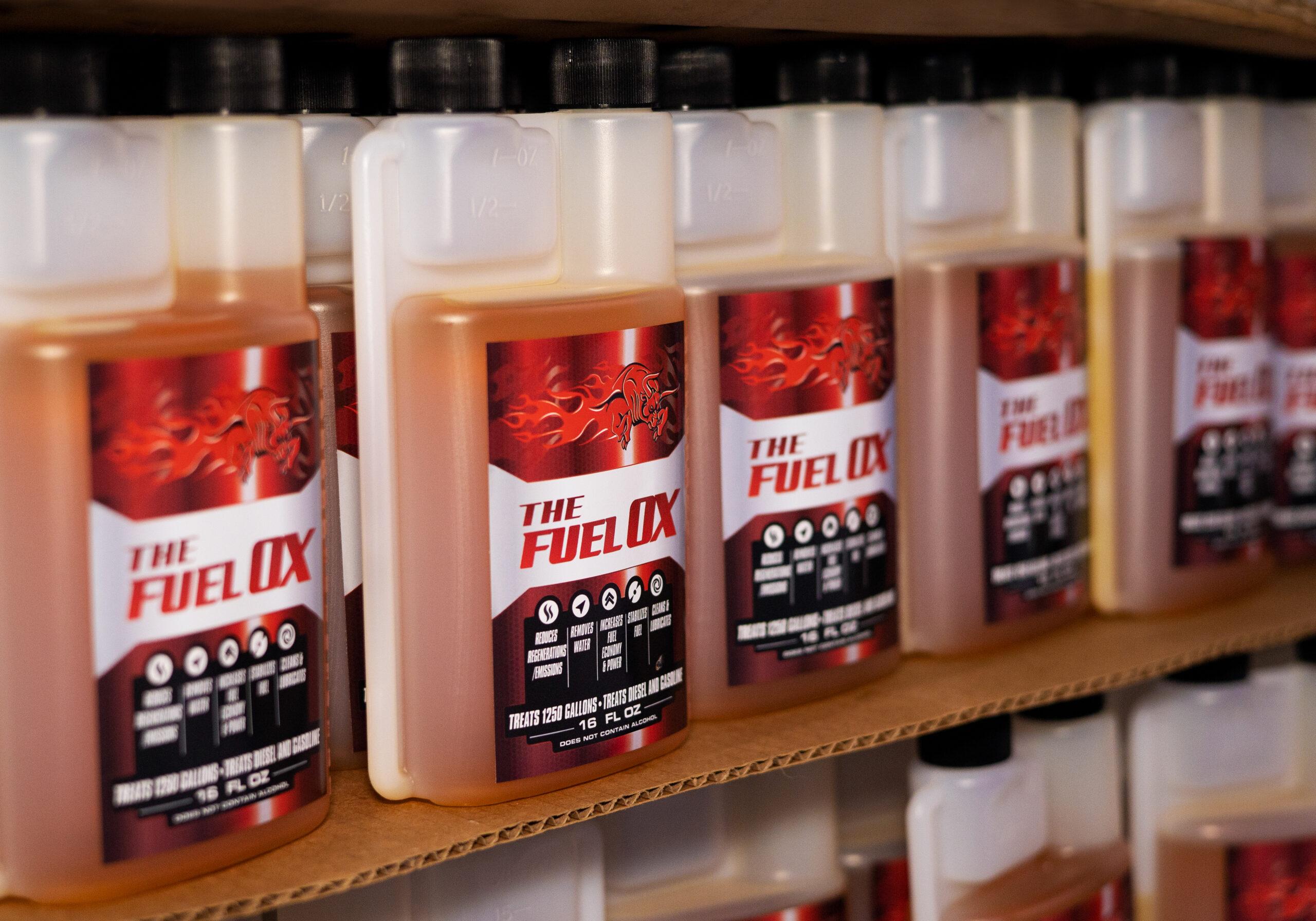
This is where Fuel Ox® can make a real difference. Our flagship product, Fuel Ox® with Combustion Catalyst, is an all-in-one treatment that fights the exact problems summer heat creates. It removes water, disperses sludge, prevents corrosion in fuel tanks, and contains stabilizers that protect fuel from degrading for up to two years.
It also includes a maintenance-level biocide to stop bacteria from growing in your tanks, which directly targets the microbial growth that warm weather encourages.
Staying Ahead of Summer Fuel Problems
Summer heat affects fuel in two major ways. It increases evaporation, causing you to lose product and release more emissions, and it speeds up the chemical reactions that degrade both gasoline and diesel over time. From higher vapor pressure and vapor lock to oxidation, sediment, and phase separation in ethanol blends, warm weather puts real stress on the fuel your engine depends on.
These seasonal fuel changes are a normal part of how summer temperatures affect fuel quality, just as cold weather brings its own challenges, like the need to prevent gelling in diesel during low temperatures.
The best defense is proactive fuel management. By buying fresh fuel, storing it properly, and using stabilizers or testing when needed, you can avoid most heat-related problems before they start.
Whether you drive one car or you are a fleet operator managing many vehicles, a little care during the warm months goes a long way toward keeping your engine running smoothly, your fuel efficiency strong, and your emissions low. Planning ahead for seasonal fuel and warmer weather helps ensure reliable performance and keeps your operations running smoothly all season long.
If you have any questions about how summer temperatures affect your fuel, which treatment is right for your engine, or how to keep your fuel in top condition during the heat, contact us. The team at Fuel Ox is happy to help you find the right solution for your needs.


