

News
The Importance of a Fuel Storage Stabilization Additive for Fleets

In fleet operations, fuel doesn’t always get used the moment it’s purchased. Seasonal equipment, backup generators that supply electricity, reserve vehicles, and slow-turnover tanks can leave fuel sitting idle for weeks or even months.
During that time, fuel isn’t just waiting; it’s changing. Left untreated, stored fuel slowly degrades in ways that can foul the entire fuel system, reduce engine performance and fuel economy, and drive up maintenance costs down the line.
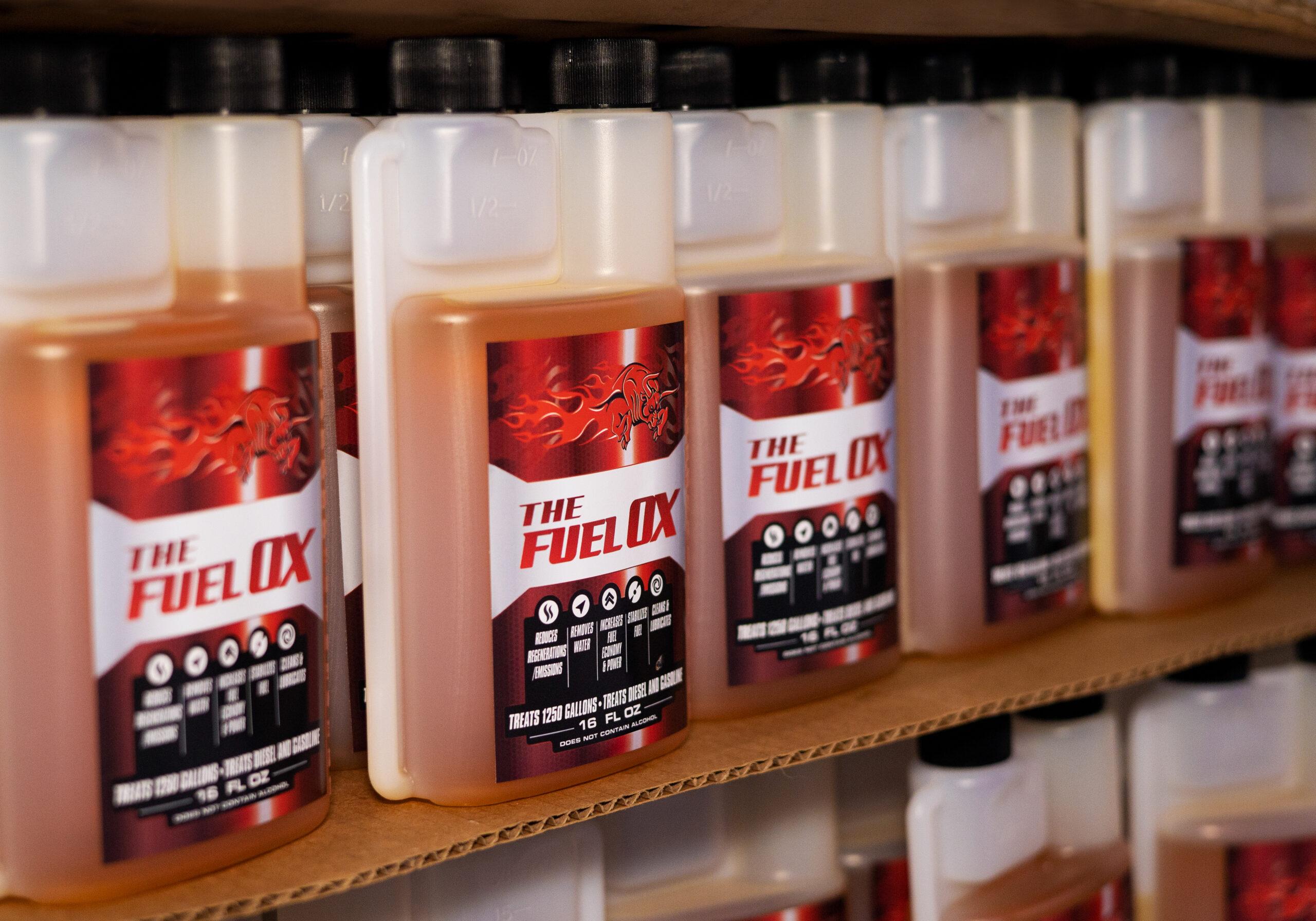
A proven fuel additive from a specialist like Fuel Ox® helps stored fuel stay stable and keeps fleet fuel systems protected.
The primary degradation risks fall into a few categories. Oxidation occurs as fuel reacts with oxygen and heat, breaking down its chemical structure. This leads to gum and varnish formation, sticky deposits that clog fuel injectors, carburetors, and filters.
Corrosion and rust attack metal tank and fuel system components, often accelerated by moisture. And microbial growth, colonies of bacteria and fungi living at the fuel-water interface, can produce sludge and acids, a problem especially associated with diesel.
The right stabilization strategy depends heavily on two factors: the type of fuel being stored and how long it will sit. Gasoline and diesel degrade differently and demand different chemistries, and a tank that turns over every three weeks calls for a different approach than one held in reserve for a longer period.
Key Takeaways
- Stored fleet fuel degrades through oxidation, corrosion, and microbial growth.
- Stabilizers slow breakdown but can’t reverse existing damage.
- Gasoline and diesel need different additive chemistries.
- Match your choice to storage time, tank size, turnover, and climate.
- Add stabilizer during fueling, keep tanks full, and test regularly.
- Fuel Ox® commercial-grade products beat consumer options.
How Fuel Stabilization Additives Work
What a Stabilizer Actually Does
A fuel stabilizer works by slowing the chemical breakdown of fuel over time. Rather than reversing degradation that has already happened, a good fuel additive is designed to extend the window during which fuel stays usable, protecting its shelf life over long periods.
By interrupting the oxidation process and inhibiting deposit formation, a stable fuel stabilizer protects vital engine components and preserves overall fuel quality throughout the storage period.
The goal is simple: when the fuel is finally called into service, it should burn cleanly, deliver reliable performance, and protect fuel economy close to how it would have when fresh.
Gasoline vs. Diesel: Different Needs
Although both are petroleum fuels, gasoline and diesel behave differently in storage and therefore require different additive profiles.
Gasoline is more volatile and prone to losing light components and oxidizing quickly, while diesel is more susceptible to microbial contamination, water accumulation, and cold-weather fuel gelling.
A product optimized for one is not necessarily suited to the other, which is why fleets should match the additive to the fuel rather than reaching for a single all-purpose solution.
Choosing an Additive for Gasoline Fleets
What to Look For
For gasoline storage, prioritize an additive that:
- Slows oxidation and varnish formation, the primary enemies of stored gas
- Helps keep fuel injectors and carburetors clean so components don’t gum up during idle periods, which supports gasoline engines in collector cars and small engine equipment alike
- Protects against corrosion and rust in the gas tank and fuel lines
- Offers compatibility with ethanol-blended fuels and non-ethanol fuels where applicable, since ethanol attracts water and can accelerate phase separation
Products that offer this kind of complete protection help preserve engine longevity even when a car or piece of equipment sits unused for an extended period.
Commonly Used Gasoline Products
Several products are widely used in this category:
- STA-BIL Storage: designed for long-term gasoline storage
- PRI-G: used by fleet operators and emergency backup facilities
- Star Tron Enzyme Fuel Treatment: marketed for stabilization, especially with ethanol blends
Choosing an Additive for Diesel Fleets
What to Look For
Diesel storage introduces its own set of priorities. Look for an additive that provides:
- Oxidation stability to slow chemical breakdown over long periods
- Corrosion protection for tanks and fuel-system components
- Water management or demulsification, depending on the fuel system, since some systems separate water for removal while others rely on keeping it dispersed
- Cold-flow improvement and anti-gelling protection, including a lower cold filter plugging point, where seasonal temperatures during the winter months risk fuel gelling
- Cetane boosters that raise cetane for smoother starts, plus biocide compatibility, or a separate biocide if microbial contamination is a concern
These features matter for standard diesel, biodiesel, and biodiesel blends alike, and they help keep pumps and injectors working through the coldest winter months.
Commonly Used Diesel Products
Products commonly chosen for diesel fleets include:
- PRI-D: for long-term diesel storage
- Power Service Clear-Diesel Fuel & Tank Cleaner: focuses on storage cleanliness and fuel quality
- Stanadyne Performance Formula: adds injector cleaning and lubricity benefits
A Note on Diesel Biocides
Biocides deserve special caution. They should be used only when microbial contamination is present or likely, not as a routine preventive additive, since overuse can create its own problems. Isothiazolinone-based chemistry is a common option for treating diesel systems.
Whatever product is chosen, following the manufacturer’s instructions on dosing and treat rate is essential, because biocides kill living contamination, and the resulting dead biomass may need to be filtered or drained from the system afterward.
Key Factors When Selecting an Additive
Choosing the right fuel storage stabilization additive for fleets is not a one-size-fits-all decision. The best choice depends on how your fuel is stored, how fast you use it, and the conditions it sits in. Over the years of working with fleet fuel, we have found that a handful of factors matter most.
The first is storage time. Fuel you plan to hold for up to 6 months has different needs than fuel that may sit for 12 to 24 months.
Longer storage calls for stronger, more protective chemistry because the fuel has more time to break down, and the additive’s effectiveness over that span directly affects both fuel quality and maintenance costs.
Tank size also plays a role. Bulk tanks often benefit from preventative treatment before filling, so the additive is already in place and mixes evenly as fresh fuel comes in. Treating a large tank after the fact is harder and less reliable.
Fuel turnover is another key piece. When you weigh the factors that shape your choice, keep these in mind:
- Storage time matters most, since short-term storage of a few months has very different needs than long-term holding of a year or more.
- Tank size affects your approach, and bulk tanks generally do best when treatment is added before or during filling.
- Fuel turnover plays a role too, because higher turnover usually needs less aggressive stabilization when fuel does not sit long enough to degrade heavily.
- Climate can tip the balance, as temperature swings speed up degradation and increase moisture buildup.
- OEM and fuel supplier recommendations are worth checking, since following them helps ensure engine and emissions system compatibility.
Climate deserves special attention. Hot days followed by cool nights cause tanks to breathe, pulling in moist air that leads to condensation and faster fuel breakdown. In colder regions, planning for the winter months and anti-gelling protection is just as important.
Fleets in regions with big temperature swings should lean toward more robust protection.
Finally, always check OEM and fuel supplier recommendations. Engine makers and fuel suppliers know their systems, and following their guidance helps protect both engine performance and emissions equipment from damage or voided warranties.
Best Practices for Treating Stored Fleet Fuel
Picking the right product is only half the job. How you use it matters just as much. These practices help you get the full benefit from any stabilization additive:
- Add the stabilizer before or during fueling so it mixes thoroughly throughout the tank, and measure the correct dose carefully, since some concentrated products treat several gallons with as little as one ounce
- Keep tanks as full as practical to reduce condensation and air exposure
- Periodically test stored fuel, especially beyond 6 to 12 months, to catch problems early and confirm the additive’s effectiveness
- For diesel, monitor for water accumulation and microbial contamination, since these are the most common causes of stored-diesel failure
Following these steps protects your investment, supports reliable performance, and helps avoid costly downtime by keeping stored fuel ready to perform when you need it. A little effort up front saves a lot of trouble later. Cleaner combustion also reduces emissions, which is a welcome bonus for any operation.
Choosing Commercial-Grade Over Consumer Products
Not all additives are built to the same standard. Consumer products sold for lawn equipment and small engines are fine for their purpose, but fleets have higher stakes and larger volumes. That is why we recommend commercial-grade products designed for professional use.
Fleets should favor products that meet relevant fuel standards, such as ASTM guidance, because those standards reflect the real performance fuel systems depend on. There is also real value in independent performance testing.
Products backed by third-party results give you more confidence than consumer-focused formulations that rely mainly on marketing claims. When engine uptime and fuel quality are on the line, proven performance is worth paying for.
How Fuel Ox® Helps Fleets Store Fuel with Confidence
This is where Fuel Ox® comes in. Fuel Ox® Star Plus™ is built to improve fuel system efficiency and greatly reduce common fuel-related issues, including stabilization, gelled fuel and ice, sludge buildup, water, and corrosion.
Those are the exact problems that show up when fleet fuel sits in storage for long periods. Bio-blend fuels degrade more quickly and gum up interior components, and oxidation creates an acidic environment that deteriorates seals, but Star Plus™ prevents oxidation and keeps bio-blends stable.
For fleets storing diesel or biodiesel blends through the winter months, that means cleaner fuel, protected components, and fewer service calls. You can learn more about Fuel Ox® Star Plus™ and match it to your storage needs.
Protecting Your Fuel Investment
Protecting stored fleet fuel comes down to matching the additive to your fuel type, your storage duration, and the conditions your fuel lives in.
Gasoline and diesel have different needs; short-term and long-term storage call for different strengths, and climate can tip the balance toward stronger protection for gas, diesel, and biodiesel alike.
By treating fuel proactively rather than reacting to problems, you protect fleet uptime, extend equipment longevity, and safeguard your fuel investment. A thoughtful stabilization plan keeps your fuel clean, stable, and ready to deliver reliable performance whenever your operation calls on it.
Have questions about keeping your stored fleet fuel stable and protecting your fuel systems over the long haul?
Fuel Ox® is happy to help. Reach out anytime to talk through the right stabilization solution for your gasoline, diesel, or biodiesel storage needs, and our team will point you to the product that fits your operation


