

News
How a Fleet Fuel Filter Life Extension Additive Reduces Maintenance Costs

When you run a fleet, fuel filters are easy to overlook until they cause problems. But those small parts hit your bottom line hard. Every time a filter clogs, a truck comes off the road. That means frequent filter changes, unplanned downtime, and labor costs that add up fast.
One clogged filter seems minor, but multiply it across a whole fleet, and you lose real money to shop time, towing, and missed jobs. For fleet managers, that costly downtime is one of the hardest expenses to control.
This is where a fleet fuel filter life extension additive comes in. The right diesel fuel additive keeps your diesel fuel cleaner and more stable, so your filters do not load up with junk as quickly. This is exactly the problem Fuel Ox® builds its fuel additives to solve, using formulas that stabilize fuel and keep fuel systems clean.
Over time, that means longer intervals between filter changes, fewer breakdowns, and lower maintenance costs. Treated fuel also burns better, which supports engine performance and protects your diesel engines.
It helps to be clear about what these products can and cannot do. A good additive works on the fuel side. It targets the contaminants, moisture, and instability that plug filters in the first place. What it does not do is revive a dead filter. Additives slow future filter loading, but they do not restore one that is already clogged.
If a filter is packed with debris, no additive will clean it out, so you still have to replace it. The value is in protecting the clean filter you install next and keeping your fuel system components working right.
Key Takeaways
- Clogged filters cost fleets money through downtime, labor, and missed jobs.
- Additives prevent future filter loading but can’t revive a clogged filter.
- Match the additive type to your specific fuel and contamination problem.
- Deeper issues like dirty tanks or rust need cleaning or fuel polishing, not just additives.
- Biodiesel blends need extra stabilizer protection since they degrade faster.
- Fuel Ox® with Combustion Catalyst treats up to 10,000 gallons per gallon.
What a Fleet Fuel Filter Life Extension Additive Actually Does
A quality additive works in a few ways to keep your fuel system healthy and your filters lasting longer. Better fuel quality means cleaner burning, which supports both fuel economy and engine life. Here is what it does behind the scenes:
- Reduces contaminants that plug filters. By breaking down sludge and keeping particles from forming, the additive cuts down on the debris that would otherwise collect in your filter.
- Improves fuel stability. Fuel that sits in a tank can break down and form gum and varnish. A good additive slows this process so your fuel stays usable longer, which matters most during long-term storage.
- Keeps injectors and fuel systems cleaner. Clean injectors and lines mean fewer injector deposits and less gunk circulating through the system and ending up in your filter. Cleaner injectors also promote more complete combustion, which improves fuel efficiency.
The key thing to remember is the limitation from earlier. No additive reverses an already-clogged filter. These products are about prevention, not repair. Used the right way, they help your next filter last as long as possible while protecting vital engine components like your fuel pumps and injectors.
Types of Additives and Their Role in Extending Filter Life
Not every additive does the same job. The right one depends on your fuel, your equipment, and the problems you are solving. Here is a breakdown of the main types and how each helps improve reliability and efficiency across your fleet.
Fuel Stabilizers
Fuel stabilizers slow down the natural aging of fuel. They reduce oxidation and sludge formation, which are two of the biggest reasons fuel goes bad and starts clogging filters. These are especially relevant for stored diesel or gasoline.
If you keep fuel in bulk tanks or run heavy equipment that sits for weeks at a time, a stabilizer can make a real difference in how clean that fuel stays and how well it protects against fuel-related problems.
Detergent Additives
Detergent additives are cleaners for your fuel system. They keep injectors and fuel systems cleaner by washing away the buildup that forms over time. When your injectors and lines stay clean, they reduce deposits that contribute to filter loading.
Cleaner fuel means less gunk reaching your filter, more efficient combustion, and steadier power from your engine.
Water Dispersants and Demulsifiers
Water is one of the most common problems in fuel systems, and it comes in two forms of treatment. Water dispersants and demulsifiers help manage water contamination, but they do it in different ways. Dispersants spread small amounts of water through the fuel so it burns off, while demulsifiers pull water out so it can settle and be drained.
Managing water content this way helps prevent corrosion and water damage inside your tank and lines.
This is why choosing the right type based on your fuel system and OEM guidance matters so much. Using the wrong one can cause more harm than good, so always check what your equipment maker recommends. Some additives disperse water and prevent corrosion at the same time.
Biocides (Diesel Only)
Biocides are made for diesel systems and target a specific enemy: microbial growth. Bacteria and fungi can grow in diesel tanks where water is present, forming a slimy mass that is a leading cause of premature filter plugging.
Biocides prevent microbial growth in tanks and kill off existing colonies. That said, you should use them only when microbial contamination is present or as part of a planned maintenance program. Overusing biocides is wasteful and can add dead biomass that your filter then has to catch.
Lubricity Improvers
Lubricity improvers protect the moving parts of your fuel system. They protect fuel pumps and injectors in ultra-low sulfur diesel, which has less natural lubrication than older fuel blends. The added lubricity helps reduce friction on close-fitting parts, which supports engine life in modern engines.
These additives are intended for component protection, not direct filter life extension. They keep expensive pumps and injectors from wearing out early, but they are not the tool for longer filter life.
When Additives Alone Won’t Solve the Problem
A fleet fuel filter life extension additive is a powerful tool, but it is not a magic fix. Sometimes the reason filters keep plugging up has nothing to do with fuel chemistry. It comes from a bigger problem sitting in your tank or fuel supply.
If you keep pouring in additives without fixing the real issue, you will keep spending money and keep changing filters. Knowing when to reach for something more than an additive is a sign of a smart fleet operation that cares about long-term reliability.
Root Causes That Require More Than an Additive
Some problems live deeper in the system than an additive can reach. When your filters clog fast even with treatment, one of these is often the reason:
- Dirty storage tanks. Years of sediment and sludge can build up at the bottom of a tank. Every time fuel gets stirred up, that debris flows straight into your equipment and your filters.
- Rust. Steel tanks and lines corrode over time, especially when water is present. Rust flakes off and travels through the fuel, plugging filters no additive can prevent. This kind of corrosion often points to water damage that treatment alone cannot undo.
- Microbial contamination. Heavy bacterial or fungal growth creates a slimy mass that overwhelms filters. Once it is this bad, treatment alone will not clear it out.
Corrective Measures Beyond Additives
When a root cause like the ones above is at play, you need a physical fix, not just a chemical one. Two proven measures can get your fuel supply back to a clean starting point and protect fuel quality going forward.
The first is tank cleaning. This means draining the tank and removing the sludge, rust, and water that have collected at the bottom over the years. It is a bigger job than adding a treatment, but it stops the constant flow of debris at its source.
The second is fuel polishing. This process circulates your fuel through a series of filters to strip out water and particles, then returns clean fuel to the tank. Polishing is especially useful for large volumes of fuel in long-term storage.
Once your tank is clean and your fuel is polished, an additive can do its job and help extend the life of every filter you install.
Special Considerations for Biodiesel Blends
Biodiesel changes the game a bit. Blends like B10, B20, and similar mixes carry a higher risk of microbial growth and oxidation than straight diesel. That is because biodiesel holds more water and breaks down faster, giving bacteria and instability a friendlier place to take hold.
If your fleet runs these blends, think about additives a little differently to protect fuel efficiency and engine performance.
This is why stabilizers become more valuable with biodiesel. Since these fuels oxidize quicker, a stabilizer helps them stay usable longer and cuts down on the sludge that plugs filters. Biocides also have a place with blended fuels, but timing matters.
They are appropriate when you have confirmed microbial contamination or when you are running a scheduled maintenance program in fuel that sits for long periods. Using them without a reason still wastes product and can add dead material your filter has to catch.
Following Manufacturer Recommendations
No matter which additive you choose, the people who built your engines have the final word. Grabbing whatever is on the shelf can cause more harm than the problem you are trying to solve. Keep three things in mind before you treat your fuel:
- Additive compatibility with your engine or equipment. Some additives can damage seals, sensors, or emission parts if they are not approved for your equipment.
- Correct dosing practices. Too little does nothing, and too much can cause its own problems. Always follow the recommended treatment ratio.
- Why OEM guidance should drive additive selection. Your equipment maker knows what your fuel system can handle. Their guidance should be the starting point for any additive decision, not an afterthought.
How Fuel Ox® Can Help Your Fleet Go Further
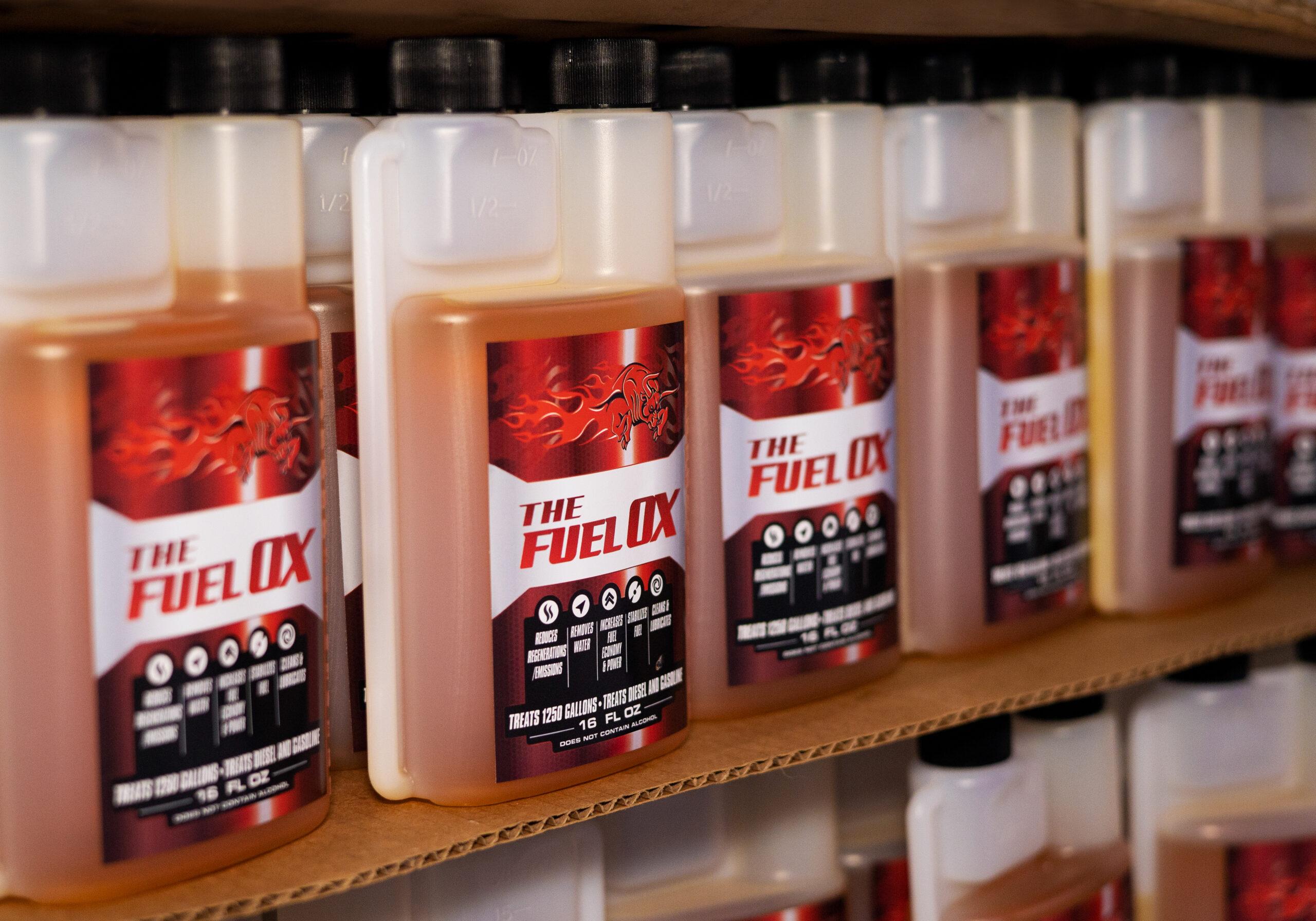
If you want a proven way to put this strategy to work, Fuel Ox® with Combustion Catalyst covers the fuel-side problems that plug filters in one treatment. It enhances fuel stability, adds powerful detergent and dispersant action to keep injectors and fuel systems clean, and includes a maintenance-level biocide to stop bacteria from growing in your tanks.
For fleets, that means cleaner-burning fuel, fewer contaminants reaching your filters, and an overall reduction in maintenance costs. One gallon treats up to 10,000 gallons of gas or diesel, so protecting your fleet is simple and affordable.
Building an Additive Strategy That Lowers Maintenance Costs
The real value of a fleet fuel filter life extension additive shows up when it is part of a plan, not just a product you pour in and hope for the best. Start by matching the additive type to your fleet’s specific fuel and contamination problems. A stabilizer for stored fuel, a detergent for injector deposits, and a biocide for confirmed microbial growth.
The right match solves the actual problem in front of you and helps lower costs over time.
From there, pair your additives with proper tank maintenance for long-term results. Additives keep clean fuel clean, but clean tanks and polished fuel give them a fighting chance in the first place. Together they form a system that protects every filter you install, supports efficient combustion, and even reduces emissions from cleaner-burning fuel.
The payoff is worth the effort: fewer filter changes, less downtime, and lower maintenance spend across your whole fleet. When you treat the fuel, fix the root causes, and follow your equipment maker’s guidance, your filters last longer, your mile counts climb, and your trucks stay on the road.
Better fuel quality means better fuel economy, stronger fleet performance, and modern engines that keep delivering the power and reliability your business runs on.
Still not sure which additive fits your fleet’s fuel, storage setup, or filter problems? The team at Fuel Ox® is happy to help.


