

News
What Is Fuel Contamination?

Fuel contamination is the presence of unwanted substances in fuel that reduce its quality, performance, or safety. They can be dirt, rust, living organisms, a different fuel, or even water.
Contaminants enter fuel anywhere along the supply chain: production, fuel storage, transport, or the vehicle fuel tank itself. By the time a symptom shows, the source is often several steps upstream.
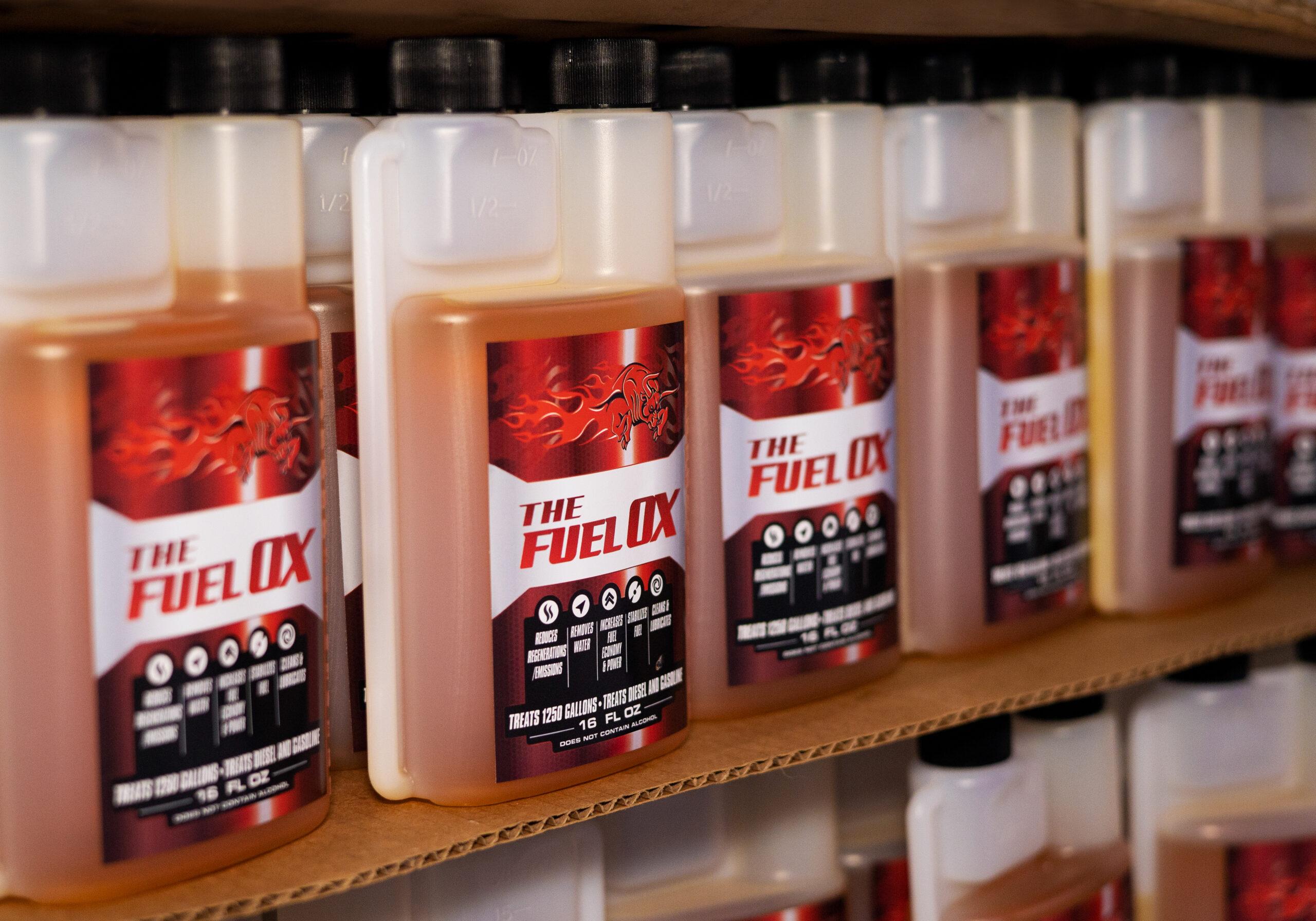
Because most of that chain sits outside your control, treatment matters at every stage, which is the problem Fuel Ox® built its fuel additive line around. Our formulas are made to keep water, sludge, and bacteria from taking hold in fuel you did not handle yourself.
Key Takeaways
- Fuel contamination is any unwanted substance in fuel: water, dirt, microbes, wrong fuel, or chemicals.
- Contaminants enter anywhere from the refinery to the vehicle tank.
- Filters plugging early are the clearest warning sign.
- A jar sample from the tank bottom confirms a problem in minutes.
- Full tanks, scheduled water draining, and on-time filter changes prevent five-figure repairs.
- Fuel Ox® additives disperse sludge, suspend water, and block bacterial growth.
Fuel Contamination Defined
Fuel is contaminated when something in it does not belong. Fuel is made to tight specifications, so anything outside them counts.
Contamination is foreign material entering from outside, fixed by closing the entry point. Degradation is fuel breaking down through oxidation, heat, or age, fixed by managing turnover.
Trace amounts matter. Common rail fuel pressure can exceed 30,000 psi with injector clearances measured in microns, so a particle too small to see can score a fuel pump or hold an injector open.
Both fuels are vulnerable, but diesel fuel holds water and feeds microbes, so those contamination issues dominate there.
Common Types of Fuel Contamination
Water Contamination
Even water counts, and it is the most common contaminant in fuel storage. It arrives through condensation, failed seals, humid air, leaking lids, and rain at fill points. A half-empty tank breathes in moist air as it cools overnight. Once present, water corrodes metal, disrupts combustion, strips the lubricity diesel fuel gives the fuel pump, and creates the habitat microbes need.
Particulate Contamination (Dirt, Dust, and Rust)
Solids come from airborne dust at fill points, rust and scale from aging storage tanks, and worn hoses. They cause clogged filters, score injector needles, and abrade pumps.
The particles you can see are rarely the dangerous ones: visible grit is caught by primary filtration, while four- to fifteen-micron particles slip past worn filters onto precision surfaces. Eyes cannot resolve below forty microns, so the worst contamination is invisible.
Microbial Contamination (Diesel Bug)
Bacteria, yeast, and fungi colonize where water and fuel meet at the tank bottom. Operators call it algae, though algae need light and these organisms do not.
The usual suspects are Hormoconis resinae, the fungus long associated with diesel, along with Pseudomonas bacteria and sulfate-reducing bacteria such as Desulfovibrio. The bacteria can double in hours.
Microbial growth produces sludge that blocks fuel lines, plugs filters, and coats strainers. That dark jelly on a filter element is a colony, not dirt. Worse, the acids it excretes attack tank floors and weld seams. Equipment idle for extended periods is most at risk, because still fuel is what a colony needs.
Cross-Contamination With the Wrong Fuel
Misfuellings happen more often than fleet managers admit. Gasoline in a diesel tank is the expensive version: diesel fuel lubricates the high-pressure fuel pump, and gasoline strips that film away, so the pump can be destroyed in minutes and send debris through the system.
Diesel in a gasoline engine causes smoke and fouled plugs but is less catastrophic.
Mixing grades, cutting diesel with kerosene, or combining incompatible additives cause milder versions.
Chemical Contamination
Solvents, lubricating oils, hydraulic fluid, cleaning agents, and residues in poorly cleaned tankers all qualify, as does degraded fuel that has formed gums, varnish, and asphaltenes.
The fuel then stops behaving as the engine expects. Viscosity shifts, so spray patterns change. Cetane or octane moves off the specification, so the timing is wrong. Affected engines run poorly and wear faster.
Where and How Fuel Gets Contaminated
Finding where contaminants enter the fuel supply is the difference between a permanent fix and a repeat visit.
| Stage | How it happens |
| Refinery or blending | Rare: dosing and tank changeover errors |
| Transportation | Shared tankers, pipeline residues, transfer hoses |
| Bulk storage | Condensation, sediment, rust, failing seals |
| Dispensing | Dirty nozzles, overdue filters, near-empty tanks |
| Vehicle tank | Vented caps, flaking tanks, idle time, dust |
Warning Signs Your Fuel May Be Contaminated
Contaminated fuel rarely announces itself, so learning to identify signs early matters. It shows up as drivability complaints easy to blame on something else.
- Hard starting or long cranking, especially after sitting
- Rough idle, misfires, or hesitation under load
- Power loss with declining fuel economy
- Stalling under acceleration or at highway speed
- Visible smoke, or a change in exhaust color and smell
- Higher emissions and failed emissions testing
- Clogged filters well before the service interval
- Cloudy, dark, or foul-smelling fuel, with sediment or a water layer
The filter clue is the most reliable, because filters are built to fail gracefully. When one rated for 500 hours plugs in 60, the fuel is telling you something.
How to Check Fuel for Contamination
- Draw a bottom-of-tank fuel sample into a clear glass jar, since contaminants settle lowest. Let it stand an hour, then run a visual inspection for a water layer, cloudiness, sediment, or slime.
- Use water-finding paste on a dipstick or test strips. The paste changes color on contact and shows how deep the water is.
- Cut open the old fuel filter at every change. Rust-colored particles mean tank corrosion, dark jelly means microbial growth, and fine gray metal means fuel pump wear.
- Send a lab sample when stakes are high: bulk storage tanks, a bad delivery, a warranty dispute, or repeat failures. A panel flags potential issues in water, particle counts, microbial activity, and stability.
The Effects and Costs of Fuel Contamination
Performance suffers first: hard starting, power loss, misfires under load, and routine stalling. Combustion efficiency drops, so operators burn more fuel for the same work.
Damage follows a predictable order. Injectors foul and erode, distorting the spray pattern so raw fuel washes cylinder walls. High-pressure fuel pumps score, open their clearances, and in severe cases seize, sending debris downstream. Filters block, fuel lines corrode, and tanks pit and leak.
Left untreated, this ends in engine failure, and the repair becomes a full fuel system replacement, because every affected component must be cleaned or replaced. On a commercial diesel, five figures.
The serious consequences are rarely the repair bill. Trucks off the road for several days, an idled job site, or a generator that fails during an outage cost more. Manufacturers also deny warranty claims when contamination is identified, since fuel quality is the owner’s responsibility.
Add failed emissions tests and cleanup liability from a leaking tank.
What to Do If You Suspect Contaminated Fuel
The first minutes matter most, because contamination spreads through the fuel supply by circulation, pushing it into expensive parts.
| Do this | Not this |
| Shut the engine down at once | Keep driving to burn it off |
| Tow it if the machine must move | Restart to reposition it |
| Drain and clean the fuel tank | Top off with fresh fuel to dilute |
| Replace all filters, inspect pump and lines | Change the primary filter only |
| Keep a sealed fuel sample and receipt | Dump the old fuel undocumented |
| Find the entry point before refilling | Refill and hope it was a one-off |
Dilution fails because water and sludge sit at the bottom no matter how much clean fuel is above, and running the tank down is worse, since the pickup draws from where contamination concentrates.
Draining alone is not enough on an older tank, so consider fuel polishing, the process of circulating fuel through fine filtration and water separation. Contamination that keeps returning is an open door nobody closed.
How to Prevent Fuel Contamination
Storage Best Practices
To avoid fuel contamination, use clean, sealed, purpose-built tanks and cans, never repurposed drums. Keep them as full as practical, whether five gallons or five thousand, because empty space holds humid air that condenses nightly.
Check active tanks weekly and drain any water. Clean storage tanks every three to five years even when nothing seems wrong. Keep tanks out of direct sunlight and vent them to limit the temperature swings that drive condensation.
Handling and Dispensing Discipline
Most contamination enters during the thirty seconds the cap is off. Keep nozzles, caps, and funnels clean and covered, since a nozzle laid on the ground goes straight into the next tank. Avoid fueling in heavy rain or dust. Never dispense the bottom sediment layer of a drum.
Wipe around the fill point first. Label every container, because unlabeled cans of gasoline or kerosene are the leading cause of misfueled vehicles.
Maintenance Habits
Change the fuel filter on schedule at minimum, earlier in dusty, marine, or humid conditions. A filter is the cheapest part in the system and the only one meant to be sacrificed.
Fit water separators and pre-filtration on bulk fuel storage, and schedule fuel polishing for slow-turnover tanks. Dose biocides and stabilizers to specification, since underdosing biocide breeds resistant colonies. Rotate stock so older fuel goes first.
Sourcing and Supplier Choice
Buy from reputable, high-turnover suppliers, because volume is itself a quality control mechanism. Be cautious at a gas station that just took a delivery, since the incoming load stirs settled sediment.
Rusted caps, standing water, and filthy nozzles suggest neglected underground storage tanks. For bulk, request quality documentation and check water and clarity on receipt, which shows whether a problem arrived or developed later.
Fuel Contamination in Long-Term Storage and Seasonal Equipment
Generators, boats, tractors, RVs, trucks, and standby systems share one risk profile: partly filled tanks, idle for extended periods, with temperature cycling and no fuel movement. Water collects, microbial growth goes undisturbed, and fuel oxidizes. These are often the machines that must start first try.
Ethanol-blended gasoline needs attention. Ethanol is hygroscopic, meaning it actively pulls moisture from the air. Once it holds more water than it can carry, phase separation occurs: ethanol and water drop out as a corrosive bottom layer, leaving gasoline that has lost octane.
Adding fuel will not reverse the process.
| Fuel type | Untreated | Treated | Main risk |
| Ethanol gasoline | 1 to 3 months | 6 to 12 months | Phase separation, octane loss |
| Ethanol-free gasoline | 3 to 6 months | 12 to 24 months | Oxidation, gum, varnish |
| Diesel | 6 to 12 months | 12 months plus | Water, microbes, sediment |
| Biodiesel B20 and up | 3 to 6 months | 6 to 12 months | Moisture uptake, oxidation |
Cool, full, shaded tanks reach the long end; hot, humid, half-empty tanks the short.
| Before storage | Before return to service |
| Fill to about 95 percent | Sample the tank bottom for water or sludge |
| Add stabilizer, plus biocide for diesel | Drain any water found |
| Run 10 to 15 minutes to circulate it | Replace filters before the first start |
| Change oil so acids do not sit | Inspect lines, hoses, and cap seals |
| Drain carburetor bowls on small engines | Confirm vents and breathers are clear |
| Seal the cap, check the vent | Idle before load, recheck the filter early |
Treating Fuel Before Contamination Starts
Good habits keep contaminants out, and treated fuel handles whatever slips past. That is where Fuel Ox® comes in.
Our Fuel Contaminants line targets the exact problems covered above: detergents that disperse sludge before it plugs a filter, emulsifiers that carry suspended water through combustion instead of letting it pool at the tank bottom, and options with a maintenance-level biocide to stop bacteria from colonizing.
Stabilizers slow the oxidation behind gums and varnish. The formulas are soluble in gas, diesel, and kerosene, from a single truck to a bulk storage tank.
Fuel Contamination in Summary
Fuel contamination is the presence of unwanted substances in fuel that reduce its quality, performance, or safety, and it can enter anywhere between the refinery and the injector.
- Five types: water, particulates, microbial growth, wrong-fuel cross-contamination, and chemical contamination.
- Entry points: transport equipment, bulk fuel storage, the gas station nozzle, and the vehicle fuel tank.
- Warning signs: clogged filters, hard starting with power loss, water or sediment in a fuel sample.
- Best habits: keep tanks full, drain water on a schedule, and change the fuel filter on time.
A fuel filter costs a few dollars, and a visual inspection takes minutes. Contamination that reaches the fuel pump runs into five figures before downtime, a denied warranty claim, or the job that did not get done. Prevention has never been the expensive option.
If you have any questions about identifying fuel contamination or choosing the right treat rate for your tanks, just contact us. We are happy to help.


