

News
Ethanol vs. Non-Ethanol Fuel: Which Is Better?
You pull up to the pump and see two choices. One is a few cents cheaper; the other says ethanol-free. Your mechanic swears by one, a forum thread swears by the other, and your owner’s manual seems to say something else.
Here is the short answer on ethanol vs. non-ethanol fuel: neither one wins every time. The right pick depends on your engine and, even more, on how long the fuel sits before you burn it.
Three things decide it: engine type and age, storage time, and how much the price gap matters to you.
Ahead: a side-by-side comparison, clear picks for common situations, and the one maintenance step most operators skip.
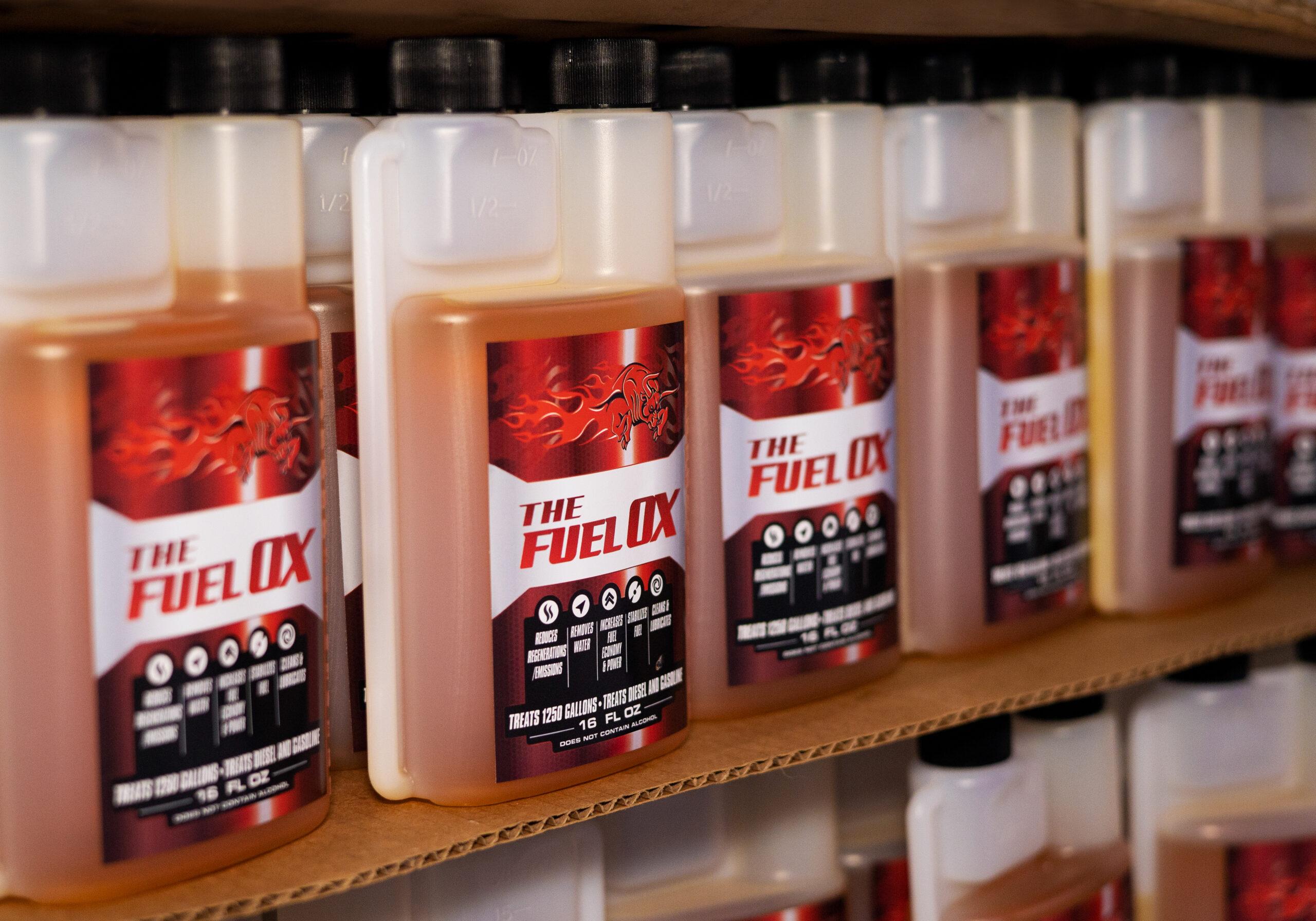
At Fuel Ox®, we formulate fuel additives and treatments for everything from consumer equipment to commercial fleets and marine operations. What we see in those tanks shapes most of the advice below.
Key Takeaways
- Neither fuel wins outright; it depends on your engine and storage time.
- E10 is fine for modern vehicles driven regularly, and it costs less.
- Ethanol pulls water from the air, causing corrosion and clogged fuel systems.
- For boats, generators, and idle equipment, treatment protects the tank better than switching blends does.
- E15 and E85 are not stronger than E10 and can damage unapproved engines.
- Fuel condition beats fuel choice, and a Fuel Ox® treatment keeps stored fuel stable.
What Is Ethanol Fuel?
Ethanol gas is standard gasoline blended with ethyl alcohol, usually corn ethanol in the United States and sugarcane elsewhere. Because the feedstock is grown rather than drilled, it counts as a renewable fuel.
The blend sold at most gas stations is E10, roughly 10 percent ethanol and 90 percent gasoline. Most gasoline sold here today is E10, so unless the pump says otherwise, that is what is going in your tank.
Ethanol added to gasoline became the norm for real reasons. Ethanol carries a higher octane rating than base gasoline, so refiners use it to increase octane cheaply. It took that job from MTBE, the oxygenate that filled the gap after tetraethyl lead was phased out and later fell from favor when it turned up in groundwater.
Ethanol also cuts the petroleum in each gallon, which supporters connect to lower carbon emissions.
Spotting ethanol-blended gas is simple: look for a small sticker on the pump face reading something like “may contain up to 10% ethanol. “Labeling rules vary by state.
What the “E” Number Actually Means
The number after the E is the ethanol content by volume. E10 is about 10 percent, E15 is about 15 percent, and E85 runs as high as 85 percent. Pure ethanol, sometimes written as E100, is not sold at retail pumps here.
Fuel alcohol is also denatured, meaning it is treated to make it unfit for human consumption.
These are not stronger versions of the same product. Higher ethanol blends carry different engine requirements, covered below.
What Is Non-Ethanol Gasoline?
Non-ethanol gas contains effectively no alcohol; it is close to pure gasoline.
It goes by several names on the sign: ethanol-free fuel, ethanol-free gasoline, recreational or rec fuel, clear gas, and pure gas.
Finding it takes effort. Check marinas, small-engine and outdoor power equipment dealers, and independent or rural stations, since availability varies sharply by region.
The higher cost comes from two places: stations sell far less of it, so distribution costs more per gallon, and each gallon holds more petroleum, the expensive part.
Ethanol vs. Non-Ethanol Fuel: Side-by-Side Comparison
| Factor | Ethanol Fuel | Non-Ethanol Fuel |
| Typical blend | E10, about 10% ethanol and 90% gasoline | Nearly 100% gasoline |
| Energy content per gallon | Slightly lower | Slightly higher |
| Fuel economy | Usually about 3% lower on E10 | Slightly better |
| Storage stability | Absorbs moisture; poor for long storage untreated | Degrades more slowly, but still degrades |
| Older engines | Compatibility issues in some older equipment | Generally safer |
| Modern vehicles | Usually designed for E10 | Also fine |
| Cost per gallon | Often cheaper | Often more expensive |
| Emissions profile | Can reduce some petroleum-derived emissions | Higher petroleum content |
One row matters more than the rest. Not power, not economy, but how each fuel behaves around moisture while it sits. That difference explains most of the ethanol complaints we hear from operators.
Fuel Economy and Energy Content: How Big Is the Difference?
Gasoline is more energy dense than ethanol. Your engine needs the same work out of each gallon, so it burns a little more volume to get there. Nothing is wrong with the engine.
On E10, most drivers see gas mileage fall by about 3 percent. Compare that to price. If ethanol-free gasoline costs 40 cents more on a 3-dollar gallon, that is a 13 percent premium to recover a 3 percent loss, so the cheaper gallon usually still wins on cost per mile, and for most daily drivers the benefits outweigh the difference.
Run the numbers yourself: percent price against percent economy, and the smaller figure tells you where your money goes further.
Said plainly: driving style, hauling weight, tire pressure, and maintenance do far more for better gas mileage than blend choice ever will. So does how completely the fuel burns, the part a treatment can change.
Engine and Equipment Compatibility
Modern Vehicles and Fleet Equipment
Nearly every gasoline engine built in the last few decades is engineered and warrantied to tolerate ethanol at E10 levels, so cars, trucks, and most modern fleet equipment run it without complaint.
Your owner’s manual and the label inside the fuel filler door are the authority for your engine, and they override general advice.
Older Engines and Small Equipment
Problems concentrate in older fuel systems. Ethanol can be hard on rubber seals, gaskets, and fuel lines never specified for alcohol contact, plus certain carburetor components and older fiberglass tanks. That is where avoidable engine damage begins.
These categories see the most trouble:
- Outboard and inboard marine engines
- Motorcycles, ATVs, and classic cars or collector vehicles
- Standby generators, pressure washers, and pumps
- Lawn mowers, chainsaws, trimmers, and leaf blowers
Notice what they share: they sit idle. Fuel stays in the gas tank for weeks or months, and long dwell time is where ethanol does its damage.
Fuel Storage: Where Ethanol Causes the Most Trouble
Ethanol is hygroscopic: it will absorb water straight out of the air and hold it in the fuel.
Here is how that becomes a repair bill. The fuel takes on moisture until it cannot hold more. Then comes phase separation, and a corrosive layer of water and alcohol settles at the bottom of the fuel tank, right where the pickup sits.
From there: hard starting, fouled injectors and carburetors, plugged filters, and rust inside steel tanks.
Both fuels share a second problem. Gasoline oxidizes with age and leaves gum and varnish that clog small passages. Non-ethanol-blended fuel slows that but never stops it, so every gallon has a shelf life.
As a rough guide, untreated E10 can turn into bad gas in 30 to 60 days. Untreated ethanol-free fuel often holds for a few months. Treated fuel stays usable far longer, which is why fuel stability matters more than the pump label.
The highest-risk situations we see are:
- Seasonal marine and powersports layup
- Standby generators that wait months for an outage
- Gas cans and landscaping equipment stored for extended periods between seasons
- Half-full tanks, where a large air space keeps feeding moisture into the fuel
Which Fuel Should You Use? Recommendations by Situation
Daily-driven modern car or truck. Ethanol-blended gas is fine when your manufacturer permits it, and the price advantage usually outweighs the small economy loss.
Equipment that sits unused for weeks or months. Treat the tank. Non-ethanol gas removes one variable if you can find it, but the extra cost per gallon buys less protection than treatment does, since untreated fuel of either type oxidizes while it waits.
Long-term storage or seasonal layup. Fill the tank, add treatment, and run the engine long enough to circulate it, whichever blend your area sells.
Chasing maximum fuel economy. Pure gasoline holds a small edge per gallon, with emphasis on small. A more complete burn moves the number further than the blend does.
Chasing peak performance. For ordinary engines, the difference is minor, so do not expect a power change from the blend alone.
No ethanol-free fuel is sold near you. Not a problem. Run E10 and manage it with a fuel stabilizer.
A Quick Way to Decide at the Pump
The ethanol vs. non-ethanol fuel choice comes down to two questions. Will this fuel burn within a few weeks? Does the manufacturer approve ethanol blends for this engine?
Two yes answers mean the ethanol blend is the economical pick. A single no means either reach for non-ethanol gas or, more practically, treat the fuel you can get.
One Critical Distinction: E85 Is Not E10
E85 can contain up to about 85 percent ethanol, a completely different fuel and not a stronger version of E10.
Burning it requires one of the flex fuel vehicles built for it, with a fuel system, tuning, and materials designed for that much alcohol. In an engine that was not, the computer cannot compensate for how the mixture burns, and incompatible lines, seals, and pump parts wear far faster.
Check for flex fuel badging and a yellow fuel cap, the filler door label, or a VIN decode or the owner’s manual.
E15 sits in the middle, and there the limit is legal rather than advisory. The EPA approves it only for light-duty vehicles from model year 2001 and newer and prohibits it outright in motorcycles, marine engines, and small off-road equipment, which is most of what sits in a garage over the winter.
The phrase “ethanol blended” by itself never tells you which blend is safe for your engine. Only the number does.
How to Protect Any Fuel, Ethanol, or Not
Here is where the debate shifts. You often cannot control what your local gas stations sell.
You can always control the condition of the fuel when it burns, and after years in the field, we would argue that matters more than the label.
A quality fuel stabilizer and treatment does five jobs:
- Protects fuel stability against oxidation so the gallon survives storage
- Disperses water and keeps it from settling into a separated layer
- Cleans the fuel system and clears sludge from injectors, carburetors, and lines
- Uses combustion catalyst technology for a more complete burn, which recovers efficiency and trims the unburned hydrocarbons behind air pollution
- Lubricates and guards tanks and metal fuel-system parts against corrosion
Before you park anything for extended periods, work through this checklist:
- Fill the tank near capacity to cut down on condensation space
- Add treatment at the labeled ratio, then run the engine long enough to circulate it
- Store the equipment in a dry place with the cap sealed
- Write down the fill date and re-treat before another long layup
Where Fuel Ox® Fits In
Everything above points to one job: keeping fuel in good condition whichever blend you buy. That is what Fuel Ox® with Combustion Catalyst was built to do. It enhances stability so stored fuel stays usable, carries lubricity agents, detergents, an emulsifier for suspended water, and a maintenance-level biocide, and works in any internal combustion engine, from a mower to a truck or boat.
The part competitors cannot copy is the patented combustion catalyst. It modifies the burn rate and improves thermal efficiency, so more of every gallon actually burns. That means better fuel economy and fewer unburned hydrocarbons out the exhaust on E10 or on ethanol-free gas.
The Bottom Line on Fuel Choice
For ethanol vs. non-ethanol fuel, run E10 in modern engines you drive regularly, and buy non-ethanol when it is convenient or your equipment is old enough to need it.
Then remember the part you actually control. Fuel condition beats fuel choice, and a treated tank of E10 will outlast a neglected tank of ethanol-free gas every time.
If you have any questions about which fuel your engine should run on or how to keep a tank stable through a long layup, just contact us. We are happy to help.


