

News
How a Fleet Fuel Efficiency Additive Lowers Cost Per Mile

A fleet fuel efficiency additive can help lower your cost per mile, but it helps to be clear about how much. When you look at independent testing, most well-maintained diesel engines see only modest gains at best. That does not mean fuel additives are useless. It means you should treat them as one tool in a bigger toolbox, not a magic fix that replaces everything else.
The truth is that no additive works alone. It performs best when your engines, tires, drivers, and routes are already in good shape. These products are chemical compounds designed to improve diesel fuel quality, keep intake valves clean, and support engine efficiency, but they cannot carry your whole fleet’s performance on their own.
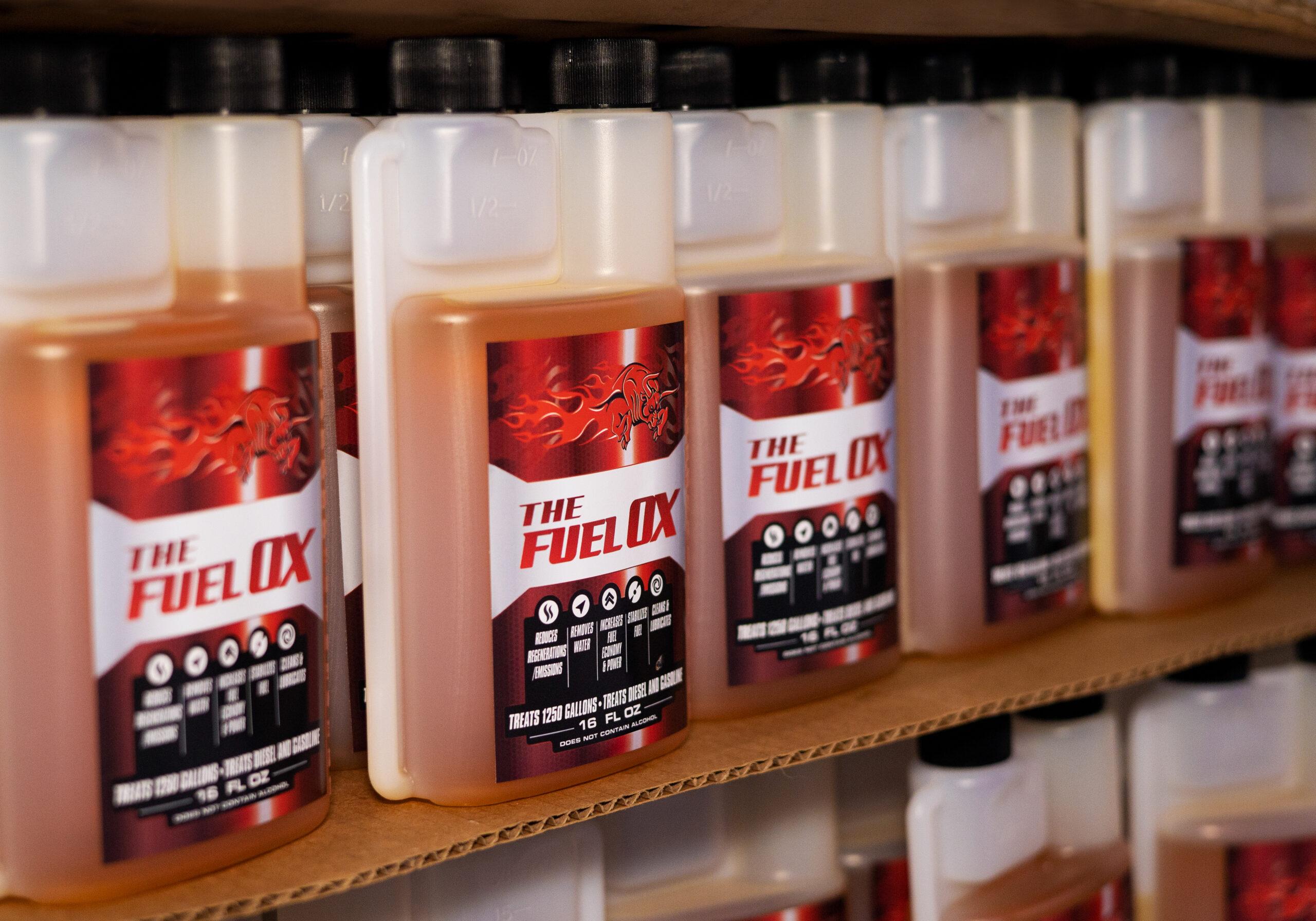
Companies like Fuel Ox® build additives that support cleaner combustion and better engine efficiency, but even a quality product works best as part of a bigger plan. Think of an additive as a small boost on top of a solid foundation.
If the foundation is weak, the additive cannot make up the difference, and every mile counts against you.
Key Takeaways
- Fuel additives offer only modest gains and work best on top of solid fleet fundamentals.
- The biggest savings come from maintenance, tire pressure, driver behavior, and route optimization.
- Judge any additive by independent test data, engine compatibility, and cost per treated gallon.
- Run a controlled trial comparing baseline and treated fuel use to get real numbers.
- Fuel Ox® with Combustion Catalyst is a strong candidate worth testing for cleaner, more efficient burns.
- Translate results into net cost per mile to decide if it’s worth it.
The Bigger Levers: Where Fleet Fuel Economy Really Comes From
If you want real cost savings on cost per mile, the biggest wins usually come from areas that have nothing to do with what you pour into the tank. Here is where fleet efficiency really comes from:
- Maintenance practices: Clean filters, fresh oil, and healthy diesel engines burn fuel more efficiently. Good upkeep helps reduce maintenance costs, extend engine lifespan, and prevent costly downtime. A neglected engine wastes fuel no matter what additive you use.
- Tire pressure: Underinflated tires create drag and force the engine to work harder, which hurts vehicle performance and raises operating costs. Checking pressure regularly is one of the cheapest ways to save fuel.
- Driver behavior: Hard braking, fast acceleration, and long idle times burn extra fuel and lead to increased emissions every day. Coaching drivers to slow down and idle less can add up fast across a fleet of vehicles.
- Route optimization: Shorter, smarter routes with less traffic and fewer stops cut fuel use directly and lower emissions. Good planning saves both miles and money.
These four levers almost always outweigh any additive’s impact on cost per mile and engine performance. An additive might save you a small percentage, while better driving habits or proper tire pressure can deliver better mileage across thousands of miles.
That is why smart fleet management fixes the basics first and treats additives as a finishing touch that supports, rather than replaces, real fleet performance.
How to Evaluate an Additive for Your Fleet
Once your fundamentals are solid, you can decide whether an additive is worth the investment. Here is how to judge one fairly.
Look for Independent Test Data
Every additive maker says their product works. That is their job. What matters more is proof from someone who does not profit from the sale. Look for third-party test results from labs or research groups, and give those more weight than manufacturer claims alone.
Independent data tells you what really happens with your fleet vehicles in the real world, and it helps you separate true engine efficiency gains from marketing.
Confirm Engine and Warranty Compatibility
Not every additive is safe for every engine. Before you buy, match the product to your engine manufacturer’s requirements. Some engine makers approve certain fuel additives and warn against others.
Using the wrong one could void part of your warranty and lead to costly repairs, which is a mistake no fleet owner wants. Checking compatibility first protects both your engines and your coverage, and it guards against hidden costs down the road.
Weigh Cost Per Treated Gallon Against Measurable Savings
An additive only makes sense if it saves more than it costs. Figure out the cost per treated gallon, then compare that number to any real, documented fuel savings you can measure.
This is the heart of cost-effectiveness. If the math does not clearly come out ahead, the additive is not worth it, whether you run heavy-duty trucks or small fleets. Keep records so you can see the actual result instead of guessing.
Consider Benefits Beyond Fuel Economy
Fuel savings are not the only reason to use an additive. Some products offer tailored solutions with extra benefits that protect your engines and support minimizing downtime. Common ones include:
- Injector cleanliness: Keeps fuel injectors and intake valves free of deposits so they spray properly, which can improve engine performance and reduce friction across the entire fuel system.
- Lubricity: Adds lubrication that helps protect fuel system parts from wear and boosts reliability and engine lifespan.
- Water control: Manages water and moisture in the fuel to prevent contamination, microbial growth, and water damage that lead to corrosion.
- Cold-weather operability: Uses cetane boosters and anti-gel chemistry to fight fuel gelling and help diesel flow and start in freezing conditions.
Sometimes these extra benefits matter more than the fuel savings themselves, especially for fleets that run in tough climates or log heavy miles.
Cleaner combustion can also mean lower emissions of carbon monoxide and particulate matter, which reduces your environmental impact. When you add up cleaner injectors, better protection, fewer repairs, and reliable diesel power, an additive can earn its place even when the fuel gains are modest.
Running a Structured Trial Before Committing
Before you buy an additive for your whole fleet, test it first. A structured trial takes the guesswork out of the decision and shows you real numbers instead of promises.
The idea is simple: measure how your trucks perform without the additive, then measure again with it, and see if the savings to your operating costs are worth the price.
Done right, a good trial gives you proof you can trust and protects your investment.
Step-by-Step Trial Framework
Here is a clear framework you can follow to run a fair test:
- Select a representative group of similar vehicles. Pick trucks that share the same make, model, engine, and typical duty. Testing fleet vehicles that are too different from each other will muddy your results.
- Measure baseline fuel consumption over several weeks. Track how much diesel fuel each vehicle uses before adding anything. A few weeks give you a steady average instead of a lucky or unlucky day.
- Use the additive according to the manufacturer’s instructions. Follow the exact dose and timing they recommend. Using too little or too much throws off both the results and the safety of your diesel engines.
- Compare fuel economy while controlling for route, load, weather, and driver differences. Try to keep these factors as steady as possible so you know the additive caused any change in mileage, not something else.
- Calculate whether fuel savings exceed the additive cost. Add up what you spent on the additive and check it against the fuel you saved. If the savings do not clearly beat the cost, the additive is not worth it.
Why Controlling Variables Matters
The biggest mistake fleets make in testing is ignoring the things that quietly change fuel use. Route, load, weather, and driver habits all affect fuel quality and fuel economy, sometimes more than any additive ever could.
If you test the additive on a flat highway one month and a hilly city route the next, the difference in fuel use might have nothing to do with the product.
Here are two examples of how uncontrolled variables distort results:
- Weather swings: A truck burns more fuel in cold winter months, when fuel gelling is a risk, than in mild spring ones. If your baseline was taken in summer and your additive test happened in winter, the additive might look worse than it really is.
- Driver differences: One driver may accelerate gently and coast to stops, while another brakes hard and idles often. If you swap drivers between the baseline and the test, you may be measuring driving style instead of real engine efficiency.
When you control these variables, you can trust that the change in fuel economy and vehicle performance came from the additive itself. That is what turns a trial from a guess into real evidence and supports smart fleet management.
Where Fuel Ox® Fits Into Your Trial
If you want an additive worth putting through the structured trial above, Fuel Ox® with Combustion Catalyst is a strong candidate to test.
Its patented combustion catalyst is designed to promote a more complete burn, which can improve engine efficiency while keeping injectors, intake valves, and the entire fuel system cleaner.
Beyond fuel savings, it aims to reduce emissions and cut down on maintenance headaches, so the benefits reach past the fuel gauge.
For a fleet watching every cost per mile, that combination of cleaner engines, better performance, and lower emissions is exactly what a good trial can measure. You can review the product and how it works, then run your own numbers to see whether it earns a place in your budget.
Translating Trial Results Into Cost Per Mile
Once your trial is done, turn the numbers into something useful: cost per mile. Start with the fuel savings you measured, then figure out how much fuel you saved per mile driven.
Multiply that by the price of diesel to see your dollar savings per mile, and subtract the additive cost per mile to find your true net gain in operating costs.
This final number tells you whether the additive earns its place in the budget. If it saves you more per mile than it costs, it is a smart buy worth rolling out across your heavy-duty trucks and the rest of your transportation fleet.
If the savings are tiny or the math comes out negative, your money is better spent on maintenance, tires, or driver training to prevent downtime. Letting the cost per mile guide the decision keeps you focused on reliability, engine performance, and what actually moves your bottom line.
If you have questions about how a fuel additive fits into your cost per mile or whether our combustion catalyst is right for your fleet, just contact us. We are happy to help you run the numbers and find the right fit for your trucks.


