

News
How to Remove Carbon Buildup in an Engine
Carbon buildup is a layer of hard, black soot residue that forms inside your engine when fuel and oil do not burn all the way during combustion. A little is normal, but when it piles up, it starts to cause real trouble, hurting your engine performance, raising your fuel consumption, cutting your power, and even leading to costly repairs.
Learning how to remove carbon buildup in an engine starts with understanding where this carbon accumulation comes from in the first place.
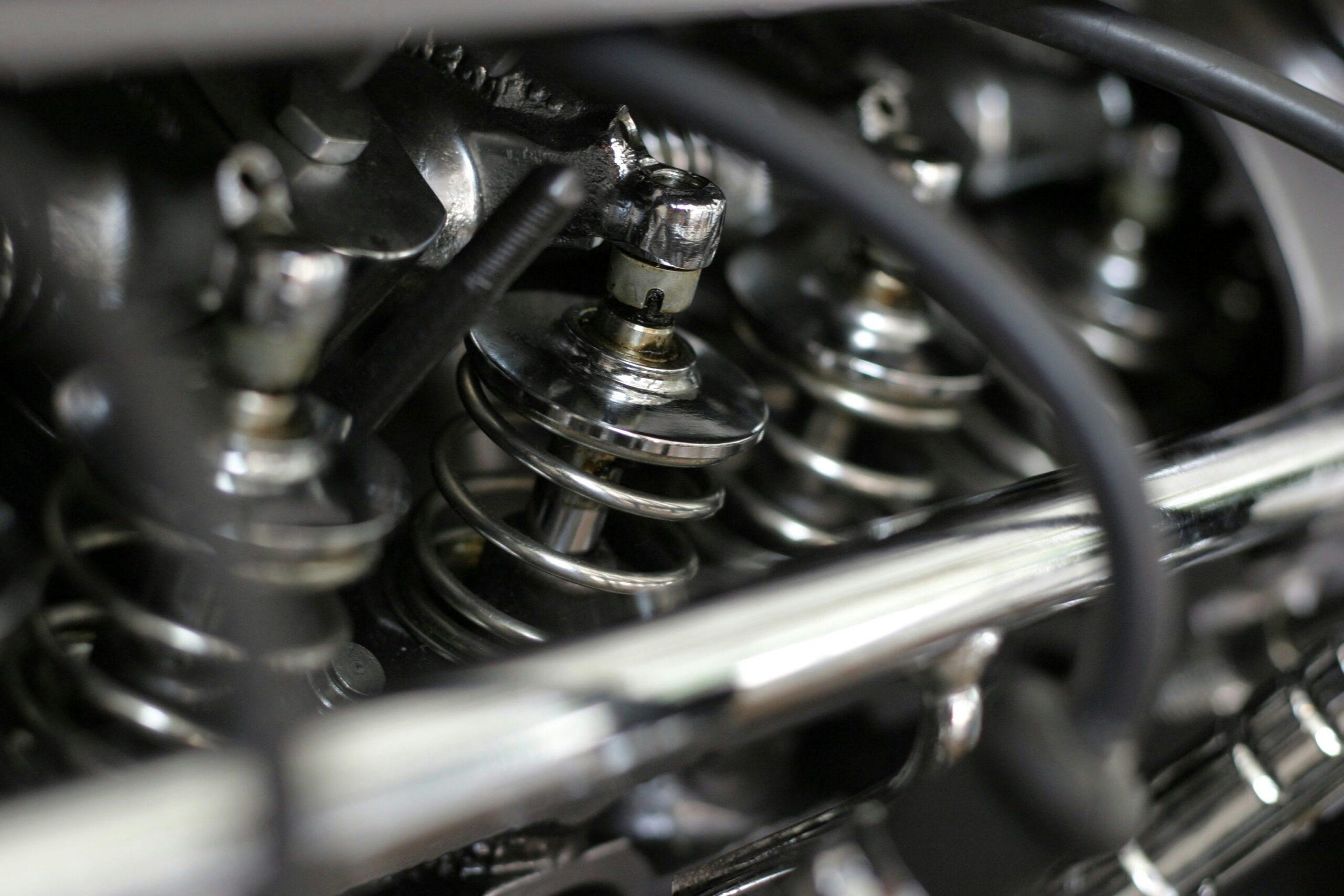
After years of working on engines, we have seen these deposits collect in a few common spots: the intake valves, fuel injectors, piston crowns, combustion chambers, cylinder head, and the throttle body. Each of these engine components is affected in its own way, and deposits on these critical components slowly drag down engine efficiency over time.
Here is the key thing to understand before you grab any tool or product. The best way to remove carbon deposits depends on two things: where the carbon buildup has formed and what kind of engine you have.
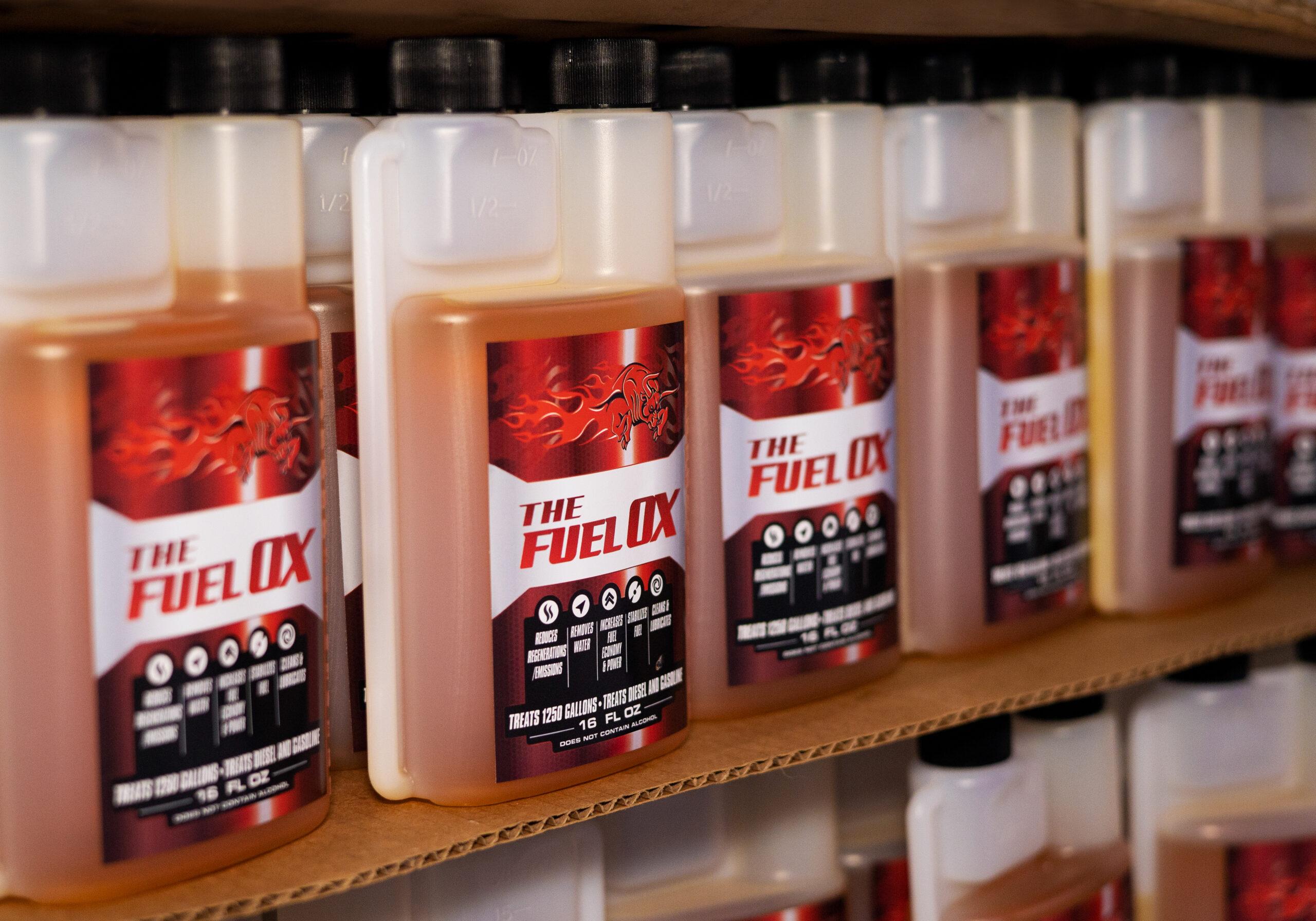
A trick that clears injectors might do nothing for baked-on valve deposits. It also helps to prevent carbon deposits before they start, which is where Fuel Ox® comes in. Our fuel additives are built to help fuel burn more completely, so less black soot and carbon get left behind in the first place. Using high-quality fuel and the right additive together is one of the most cost-effective ways to keep an engine clean.
We will walk through the right approach for each situation, starting with the easy fixes and moving up to the heavy-duty jobs.
Key Takeaways
- Carbon buildup comes from incomplete combustion and hurts engine performance, fuel economy, and power.
- Common warning signs include rough idle, lost power, knocking, misfires, black smoke, and a check engine light.
- Mild buildup responds to fuel cleaners, highway driving, and fresh air and fuel filters.
- Heavy deposits need intake cleaning, professional induction service, or walnut blasting on direct-injection engines.
- Diesel engines build up carbon differently and often require professional care.
- Fuel Ox® additives help fuel burn cleaner, preventing deposits before they form.
Signs of Carbon Buildup in Your Engine
Before you start cleaning, it helps to know what carbon buildup actually feels like behind the wheel. Most of these warning signs trace back to incomplete fuel combustion and the uneven combustion it causes. In our experience, drivers usually notice a mix of these symptoms rather than just one. Watch for the following warning signs:
- Rough idle, where the engine shakes or stumbles while sitting still
- Reduced fuel economy, so you burn more fuel and fill up more often than you used to
- Lost power, especially when you try to accelerate
- Engine knocking or pinging, a metallic rattle under load
- Engine misfires, where a cylinder skips its normal firing
- Black smoke from the exhaust is a clear sign of unburned fuel
- A check engine light on your dashboard
If you notice several of these at once, carbon buildup is a strong suspect. The good news is that catching it early gives you more options to clean carbon buildup and a better shot at fixing it without major work.
How to Remove Mild Carbon Buildup
When deposits are still light, you can often handle the job yourself with simple steps and basic products. These methods work best as regular maintenance, and in our experience, they share a few things in common:
- They are low-cost and need little to no special equipment
- They work slowly over time rather than all at once
- They are best at preventing carbon buildup, not removing heavy deposits
Start with the easy steps below before the buildup gets serious.
Use a Quality Fuel System Cleaner
A good fuel system cleaner is one of the easiest places to start the carbon cleaning process. You pour a reputable cleaner into your fuel tank and follow the directions on the bottle for how much to use and how often.
As you drive, the cleaner mixes with your fuel and works to remove carbon deposits over time. It helps clean the fuel injectors and can act as an intake valve cleaner for some combustion chamber deposits as well.
Keep in mind that these cleaners tend to work better on gasoline engines than on diesel engines, so set your expectations based on what you drive.
Drive at Operating Temperature
How you drive matters more than most people think. Frequent short trips are one of the biggest factors that contribute to carbon buildup, because the engine never reaches its optimal temperature to burn off residue.
To fight this, take your car out for a longer drive at highway speeds once the engine has reached its optimal temperature. That sustained heat and airflow help the engine burn away loose deposits and keep things cleaner inside, which supports better engine performance.
Replace Air and Fuel Filters
Clogged filters quietly make the carbon problem worse. When an air or fuel filter is restricted, your engine cannot get the clean air and high-quality fuel it needs to burn completely.
That incomplete fuel combustion is exactly what leads to more deposits forming. Replacing your air and fuel filters on schedule is a cheap, simple way to support a cleaner-running engine and protect your engine’s efficiency.
How to Remove Moderate to Heavy Carbon Buildup
Once deposits are thick and baked on, additives and good driving habits are not enough. At this stage, you are looking at hands-on carbon cleaning, and some of it is best left to a professional.
Intake System Cleaning
Cleaning the intake system targets the carbon that blocks airflow into the engine. This means cleaning the throttle body and the intake tract to get air moving freely again.
Because every engine is built a little differently, you should always follow the manufacturer’s procedures for your specific vehicle to avoid damaging sensitive metal parts.
Professional Induction Cleaning
For tougher deposits, a professional induction cleaning is often the smart move. Mechanics use specialized equipment and chemicals made to reach the intake and combustion chamber deposits that home methods cannot touch.
This service goes deeper than a bottle of cleaner and is a solid choice when buildup has gotten ahead of you, helping restore your engine to peak performance.
Walnut Blasting for Direct-Injection Engines
Direct-injection engines have a unique problem worth understanding. In these engines, fuel is sprayed straight into the combustion chamber, so it never washes over the intake valves the way it does in older designs.
Without that cleaning effect, the valves collect stubborn carbon accumulation. The fix is walnut blasting, where crushed walnut-shell media is blasted at the valves to scrub the carbon away without damaging the metal parts.
It is one of the most effective ways to clean carbon buildup on the intake valves of a direct-injection engine.
Removing Carbon Buildup in Diesel Engines
Diesel engines deal with carbon a little differently than gasoline engines do, and the trouble spots are not the same. Over the years, we have found that diesel deposits tend to gather on a specific set of engine components. The parts most often affected include:
- The EGR valve, which recirculates exhaust gas and clogs easily with soot
- The DPF, or diesel particulate filter, which traps and stores exhaust particles
- The intake manifold, where soot and oil vapor mix into a thick sludge
- The turbocharger vanes, where deposits drag down boost and response
The right way to clean each of these depends on the part itself. Some can be cleaned in place, while others need to be removed and serviced separately. Because diesel systems are complex and many of these parts are sensitive, the cleaning often calls for professional service.
If you are not sure where to start, having a qualified diesel technician inspect the engine is usually money well spent.
What to Avoid
Cleaning carbon the wrong way can do more harm than the buildup itself. We have seen plenty of engines damaged by shortcuts, so steer clear of these common mistakes:
- Pouring unapproved solvents straight into the engine can harm seals, sensors, and internal parts
- Using abrasive cleaning methods inside the cylinders, which can scratch surfaces and leave behind grit
- Doing an “Italian tune-up” style high-rpm run on a cold engine, which stresses parts before they reach their optimal temperature
When in doubt, stick to products and methods approved for your specific vehicle. The goal is to remove carbon deposits without trading one problem for a bigger one.
Choosing the Right Method for Your Engine
There is no single best way to clean carbon, because the right choice depends on your situation. Start by matching the approach to how bad the deposits are and where they have formed. Light buildup in the fuel system calls for a gentle fix, while heavy deposits on intake valves may need professional work.
A few key factors contribute to the best method for you. The make, model, and year of your vehicle shape what is safe and effective. Whether you drive a gasoline or diesel engine changes the game completely, since the two build up carbon in different places.
Finally, your specific symptoms point you toward the real source of the trouble, whether that is engine misfires, black smoke, or lost power. Weighing these together helps you avoid wasted money and pick the method that actually fits your engine.
How Fuel Ox® Can Help Keep Your Engine Clean
Since a lot of carbon buildup starts with fuel that does not burn completely, the right additive can stop the problem before it grows. That is where Fuel Ox® comes in. Fuel Ox® with Combustion Catalyst uses a patented catalyst that helps your fuel burn earlier and more completely, which means less leftover black soot and fewer deposits forming inside your engine.
It works in both gasoline and diesel engines and acts as a dispersant and detergent to help clean fuel injectors over time. Drivers often see better fuel economy, smoother engine performance, fewer engine misfires, and fewer DPF regens on diesel rigs.
Promoting a cleaner burn, it reduces emissions and helps prevent the higher emissions that come with uneven combustion. Used as part of regular maintenance, it is a simple, cost-effective way to support a cleaner engine, boost efficiency, and extend the life of your engine.
Final Thoughts on Removing Carbon Buildup
Removing carbon buildup comes down to one simple idea: match the method to the severity of the deposits and the type of engine you drive. Light buildup often responds to fuel additives, good driving habits, and fresh filters.
Moderate to heavy deposits call for intake cleaning, professional induction service, or walnut blasting on direct-injection engines. Diesel engines have their own trouble spots and usually need specialized care.
As a rule of thumb, simple maintenance steps are fair game for a confident do-it-yourselfer. But once the job involves opening up the intake, blasting valves, or servicing diesel emissions parts, it is wise to seek professional service. Knowing where that line falls protects both your engine and your wallet, keeps your vehicle at peak performance, and helps extend its life for the long haul.
If you have any questions about removing carbon buildup or which Fuel Ox® product is right for your engine, just contact us. We are happy to help.


