

News
What Causes High Oil Pressure In A Diesel Engine
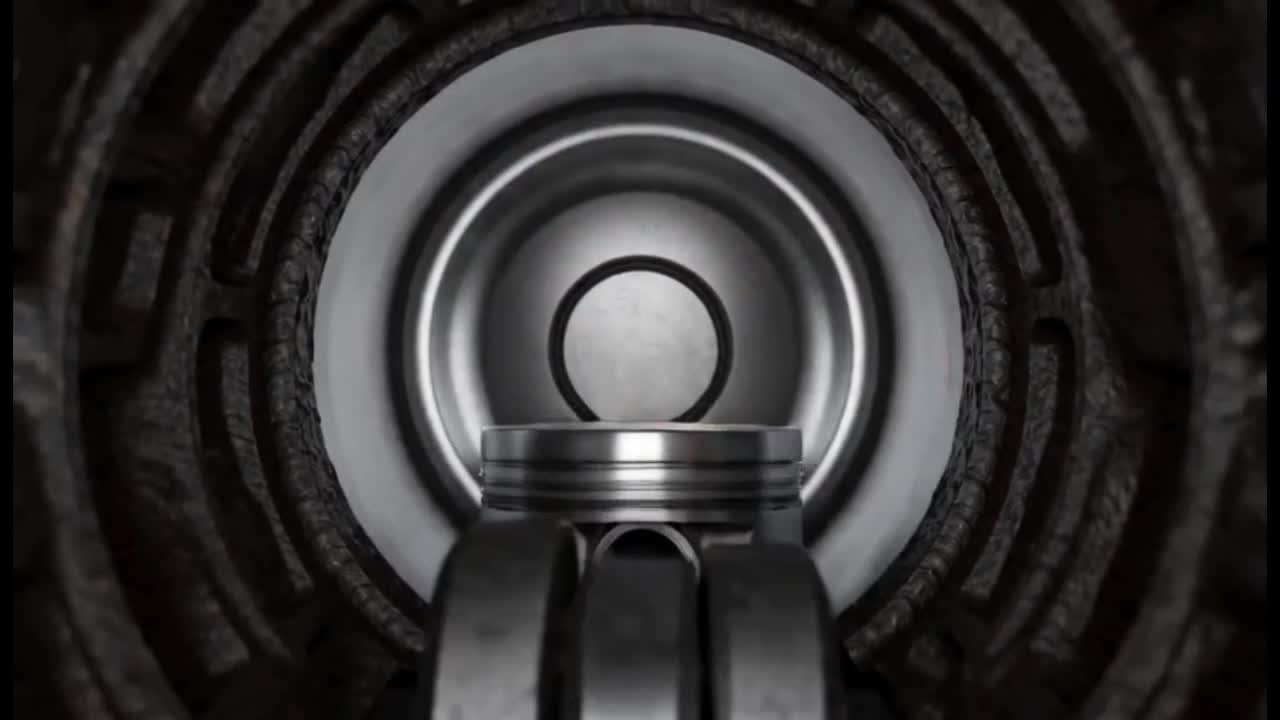
High oil pressure occurs in a diesel engine when oil meets too much resistance as it moves through the engine or when the system meant to control pressure fails. In a healthy engine, motor oil flows smoothly through narrow passages to coat all the parts, but when that flow gets blocked, or regulation fails, readings climb higher than normal and stay there.
This matters more than many drivers realize. Proper oil pressure protects the bearings, piston rings, and turbocharger, and most diesel engines run between about 40 and 70 psi. When the pressure climbs well past that range and stays high, the strain can damage seals, gaskets, and other engine components over time.
Keeping your fuel and oil systems clean goes a long way toward preventing this, which is why many diesel owners turn to fuel treatments from Fuel Ox® to reduce the buildup that leads to pressure problems in the first place.
This article walks through the eight most common causes of high oil pressure in a diesel engine, what each one does, and the warning signs that point to it.
Key Takeaways
- Normal diesel oil pressure runs about 40 to 70 psi, and staying above that can damage seals and components.
- Common causes range from a stuck relief valve and thick oil to blocked passages, bad filters, and faulty sensors.
- Always rule out a bad sensor or gauge first, since many high readings aren’t real mechanical problems.
- Diagnose from simplest to hardest, starting with a mechanical gauge check and the right oil grade.
- Keeping fuel and oil systems clean reduces the buildup behind many pressure problems, which is where Fuel Ox® can help.
- If pressure stays high after basic checks, see a professional mechanic.
The 8 Common Causes of High Oil Pressure
1. Faulty Oil Pressure Relief Valve
The oil pressure relief valve is the part that keeps pressure from climbing too high. When pressure reaches a set point, the valve opens and sends extra oil back toward the pump, which holds the system in a safe range.
When that valve sticks closed or only opens partway, the extra oil has nowhere to go, and the excess pressure shoots up across the board. Debris and poor maintenance are common reasons a valve gets stuck.
Here are symptoms to watch for:
- High pressure readings at all engine speeds, not just at idle or under load
- Oil filter swelling, leaks, or other signs of stress on the filter housing
2. Oil That’s Too Thick
Every diesel engine is built for a specific oil viscosity, which is just a measure of how thick or thin the oil is. When you use oil with too high a viscosity for what the manufacturer calls for, the pump has to work harder to push it through the engine, and pressure rises as a result.
This shows up most during cold starts, when thick oil flows slowly, and the pump struggles to move it through the lines.
A couple of common examples:
- Using a 20W-50 oil when the engine specifies a 10W-30
- Cold weather thickening the oil so it flows poorly until the engine warms up
3. Cold Engine Operation
It is completely normal for a diesel engine to show higher oil pressure when it first starts cold. Oil thickens at low temperatures, so it naturally resists flow more until it warms up.
As the engine reaches operating temperature, the oil thins out and pressure settles into its normal range. The key is knowing the difference between a normal cold reading and a real problem.
Here is how to tell them apart:
- Normal: High pressure right after startup that drops as the engine warms
- Abnormal: Pressure that stays excessively high even after the engine reaches full operating temperature
4. Blocked Oil Passages
Diesel engines move oil through narrow channels called galleries, plus the spaces around the bearings. Over time, dirty oil leaves behind sludge, carbon deposits, and other debris that can build up and restrict these paths. When that happens, oil backs up and pressure builds upstream of the blockage, since the oil cannot move through as freely as it should.
This is one of the harder problems to fix, because reaching and cleaning the passages usually means taking much of the engine apart.
Common causes of blocked passages include poor maintenance, stretching oil change intervals far past what the manual recommends, and general engine contamination from dirt, fuel, or coolant getting into the oil.
5. Restricted or Incorrect Oil Filter
The oil filter is meant to catch contaminants, but a blocked oil filter or one that is simply the wrong model for your engine adds resistance to the whole system. When oil has to force its way through, pressure climbs.
Many filters also include a bypass valve that opens when pressure gets too high, and if that valve fails, pressure just keeps building.
When a filter is the suspect, check for an overdue filter replacement that has collected too much sludge, a wrong filter part number that does not match the engine, and a defective filter bypass valve that is not opening when it should.
6. Malfunctioning Oil Pressure Sensor or Gauge
Sometimes the actual oil pressure is perfectly normal, but the reading on the dashboard is wrong. Sensors wear out, corrode, or get clogged, and a bad one can send a false high-pressure signal. A broken oil pressure gauge can also be off on its own.
This is the best problem to have, because it is an electrical fix rather than a mechanical one. The way to diagnose it is to compare the dashboard reading against a mechanical oil pressure gauge connected directly to the engine.
If the mechanical gauge reads normal while the dashboard reads high, the sensor or gauge is the culprit.
7. Oil Pump Problems
This one surprises people. A worn or damaged oil pump usually causes low oil pressure, not high, because it cannot move oil the way it used to. High pressure from the pump itself is far less common. It tends to happen when the pump has been modified, oversized, or built to deliver more oil than the engine needs, which forces too much oil through the system and drives pressure up.
8. Blocked Crankcase Ventilation System
The crankcase ventilation system lets pressure escape from inside the engine. When the breather gets restricted, pressure can build up inside the crankcase and affect the engine’s internal balance. This is a less common direct cause of a high oil pressure reading, but it is worth checking when the more obvious causes have been ruled out.
Typical Warning Signs of Excessively High Oil Pressure
High oil pressure does not always announce itself in an obvious way, but if you know what to look for, the engine usually gives you clues. After years of working on oil pressure in diesel engines, we have learned that the warning signs tend to show up in a handful of predictable places. Catching them early is the difference between a quick fix and a major repair.
The most direct sign is the oil pressure gauge itself reading unusually high, especially when it stays elevated after the engine has warmed up. Beyond the gauge, too much pressure puts stress on the parts that are meant to hold oil in.
That extra force can push oil past seals and gaskets, leading to leaks you might spot as drips or wet spots under the engine.
The oil filter takes a beating, too, and you may notice it bulging or leaking where it should be sealed tight. In some engines, problems like worn piston rings can also let oil reach the combustion chamber, which shows up as blue smoke and high oil consumption.
Here are the warning signs to keep an eye on:
- An oil pressure gauge reading that sits unusually high, particularly after warm-up
- Oil leaks showing up at seals or gaskets
- An oil filter that looks swollen, bulged, or is leaking
- Increased engine noise in some cases, as oil is forced through the system too hard
- A check-engine light or oil-pressure warning indicator on the dashboard
When any of these show up together, it is a strong signal that the pressure in diesel engines is running higher than it should, and the cause needs to be tracked down before engine damage sets in.
What to Check First: A Step-by-Step Diagnostic Approach
When we diagnose high oil pressure in the shop, we work from the simplest and cheapest checks toward the more involved ones. There is no sense in tearing into an engine if the real problem turns out to be a five-dollar sensor or the wrong oil.
Following the steps in order saves time and keeps you from replacing parts that were never broken. The first step is always to confirm you are dealing with a real pressure problem and not a faulty reading.
Work through these checks in this order:
- Verify the reading with a mechanical pressure gauge. Connect a mechanical gauge in direct contact with the engine’s oil system and compare it to the dashboard reading. If the mechanical gauge reads normal, the problem is electrical, not mechanical.
- Confirm the correct oil grade is being used. Check the owner’s manual and make sure the oil in the engine matches the viscosity the manufacturer calls for.
- Check the oil level and condition. Too much oil can raise pressure, and dirty oil can point to other problems. Make sure the level is right and the oil looks clean, and top off with new oil if needed.
- Replace the oil filter if its condition is unknown. A clogged or wrong filter adds resistance, so installing a fresh, correct filter rules it out as a cause.
- Inspect the oil pressure relief valve and oil pump if pressure remains high. If the reading is still high after the steps above, the trouble is likely deeper, and the valve or pump needs a closer look.
Most of these steps you can handle yourself, but the last one often calls for a mechanic, since reaching the relief valve and pump usually means taking part of the engine apart.
How Fuel Ox® Can Help Keep Your Diesel Running Clean
Many of the causes behind high oil pressure start with the same culprit: buildup. Sludge, carbon deposits, and contaminants slowly clog oil passages and filters, and the cleaner you keep your engine, the fewer pressure problems you will face over its lifetime. That is where Fuel Ox® comes in.
Fuel Ox® with Combustion Catalyst uses a patented catalyst that promotes more complete combustion, along with powerful detergents that keep your fuel system, injectors, and sensors cleaner. Less soot and fewer deposits mean less of the gunk that leads to blocked passages and pressure trouble.
It works in any diesel engine and helps cut maintenance costs while extending component life, so your engine runs cleaner and more reliably for the long haul.
Wrapping Up: What to Do About High Oil Pressure
High oil pressure in a diesel engine is a warning worth taking seriously, but it is not a reason to panic or start swapping parts blindly. Accurate diagnosis matters more than anything else here. The cause could be as simple as the wrong oil or a faulty sensor or as serious as blocked oil passages, and the only way to know is to work through the checks step by step.
When you notice high oil pressure, slow down and let the diagnosis guide you.
Always rule out a bad sensor or gauge before assuming a mechanical fault. We have seen plenty of engines come in for “high oil pressure” that turned out to have perfectly normal pressure and just a faulty reading from a broken oil pressure gauge. Confirming the problem first can save you a lot of money and worry, and it keeps you from chasing a repair you never needed.
If you have verified the reading, used the right oil, checked the level, and replaced the filter, and the pressure is still too high, it is time to consult a professional mechanic. Problems with the relief valve, oil pump, or internal passages take experience and the right tools to fix safely, especially in extreme cases where high oil pressure damage may already have begun.
The best way to avoid all of this is to regularly check your oil and keep all the parts of the system in good condition. Trusting the harder work to someone who knows diesel engines is the smartest way to protect your engine and maintain proper oil pressure for the long haul.
If you have any questions about keeping your diesel engine clean and protecting it from the buildup that leads to oil pressure problems, just contact the Fuel Ox® team. We are happy to help.


