

News
How to Cut Fuel Costs as an Owner-Operator

If you drive your own truck for a living, you already know that fuel is one of the biggest checks you write every month. For most owner-operators, fuel sits right behind your equipment payment as one of the biggest expenses you carry. When diesel prices climb, your profit margin shrinks fast. That is why learning to reduce fuel costs is one of the smartest moves you can make to stay in business for the long haul.
Here is the good news. You do not need to spend a fortune to see real savings. Small gains in fuel economy add up in a big way over time. Shaving even a fraction of a mile per gallon off your average can put thousands of dollars back in your pocket over a year of driving. The miles you run are constant, so every improvement in your fuel usage keeps paying you again and again.
The core idea behind this guide is simple: consistency beats costly investments. You do not have to buy the newest truck or load up on expensive gadgets to optimize fuel consumption. The driving habits you build behind the wheel and the regular maintenance you give your equipment matter far more than any single purchase.
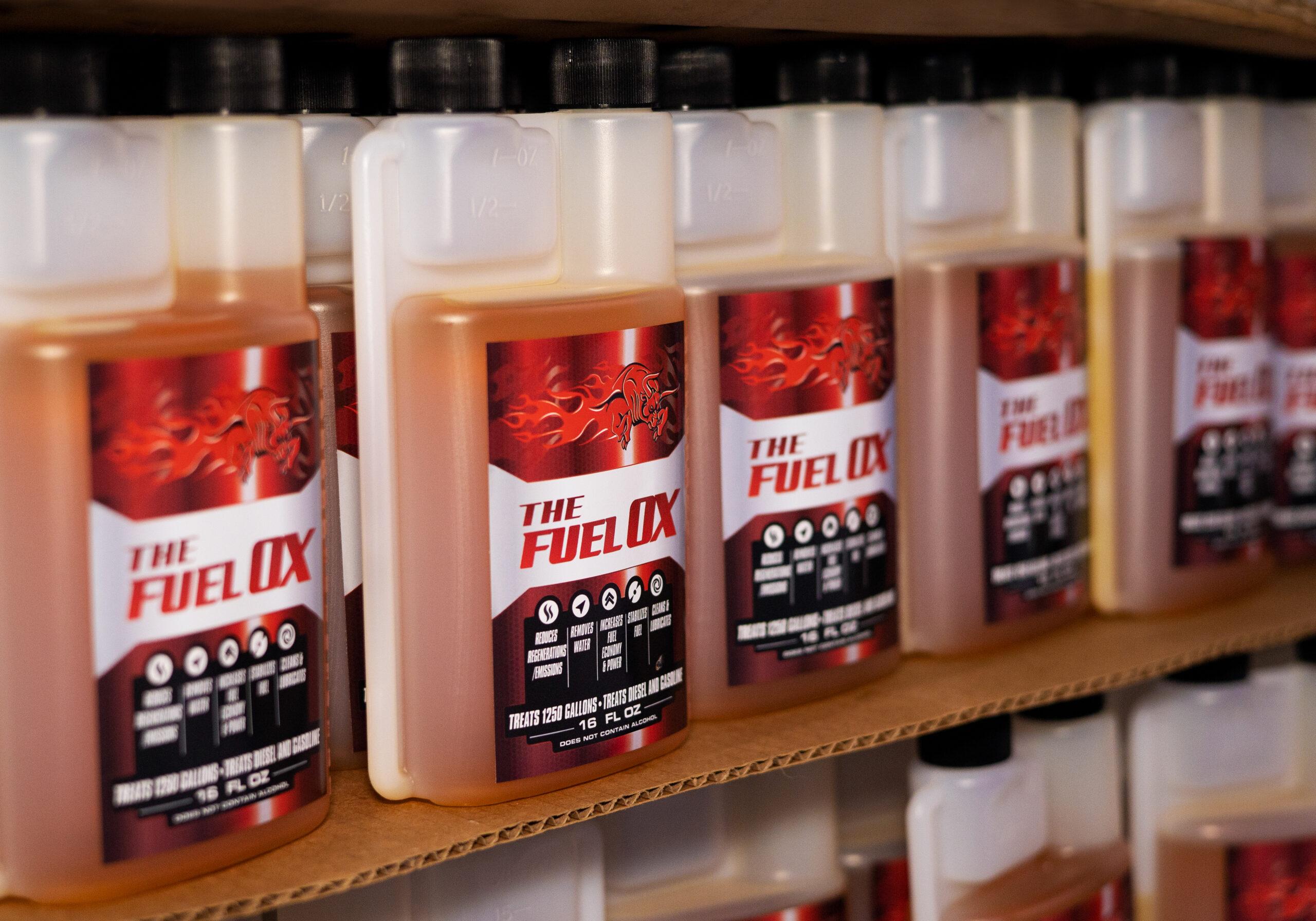
Simple, proven tools help too, which is why many owner-operators rely on Fuel Ox® to help their diesel burn cleaner and stretch every gallon further.
Key Takeaways
- Fuel is a huge expense, but a controllable one.
- Steady speeds and smooth driving save fuel for free.
- Less idling and less weight protect your profit.
- Regular maintenance and good tires boost efficiency.
- Smart routes and fuel buying can lower your costs.
- Fuel Ox® additives help your diesel burn cleaner for better mileage.
How to Cut Fuel Costs as an Owner-Operator
Cutting fuel costs does not come down to one big move. It comes from a handful of smart habits that work together, day after day, mile after mile. The good part is that every one of them is within your control, and most cost little or nothing to start.
This guide breaks down how to cut fuel costs into four areas you can act on right away.
First, the driving habits behind the wheel that stretch every gallon. Second, the wasted fuel from idling and extra weight quietly drains your profit. Third, the maintenance and equipment choices that keep your truck running efficiently. And fourth, the smarter planning and purchasing that lowers what you pay before you even hit the road.
Master these together, and you turn fuel from your biggest worry into a steady edge over the competition.
Driving Habits That Save Fuel
How Much Does Speed Really Affect Fuel Use?
Speed is one of the biggest factors you control every single day. As your truck moves at faster speeds down the highway, it has to push through more air. That force is called aerodynamic drag, and it grows quickly the faster you go.
The harder your engine works to fight that drag, the more fuel it burns. So a few miles per hour can make a real difference in your fuel usage.
A handful of simple driving habits will help you save fuel and keep more in the tank:
- Hold a steady cruising speed instead of speeding up and slowing down over and over.
- Use cruise control when the road and traffic conditions allow it, since it keeps your speed even.
- Try to keep your speed under 65 mph (105 km/h) on the highway.
- Accelerate smoothly and use progressive shifting rather than stomping the pedal to get up to speed.
Each of these habits costs you nothing. They simply ask you to drive with a little more patience, and the savings show up at the pump.
What Can You Learn From a Professional Fleet?
Large trucking fleets watch their fuel spending very closely because even a small waste, multiplied across hundreds of trucks, becomes a huge expense. That is why they spend real money training their drivers in fuel-efficient habits. You can borrow those same lessons for your own truck without spending a dime.
Professional drivers are taught to look far down the road and plan their moves early. By reading what is happening ahead, they avoid sudden braking that wastes the energy they have already paid for. Keeping a safe following distance gives you room to slow down gently instead of slamming the brakes, which also helps with safety.
Anticipating how traffic is flowing lets you keep your momentum instead of stopping and starting.
They also learn to keep their engine RPMs in the efficient range, where the truck does its work without burning more fuel. These are skills any owner-operator can practice on every trip to start improving fuel efficiency.
Eliminate Wasted Fuel
Is Idling Quietly Draining Your Profits?
Idling is one of the sneakiest ways to lose money. When your truck sits and runs without moving, it burns fuel but earns you nothing. Those idling costs can add up to a surprising number of gallons of fuel per day, paying for diesel that does not turn into revenue miles.
Over a week or a month, all that idle time adds up to a serious chunk of cash, since a truck can burn close to a gallon of fuel per hour just sitting there.
There are several ways to cut down on idling:
- Shut the engine down during long stops instead of letting it run.
- Use an auxiliary power unit (APU) to stay comfortable without idling the main engine.
- Plan your breaks so you stop where you can rest without running the truck.
- Watch your idle-time reports through your fleet software so you can spot bad habits.
Paying attention to idle time is one of the easiest wins out there. Most of it comes from habit, not need, so once you notice it, you can fix it.
Reduce Unnecessary Weight
Every extra pound your truck carries takes energy to move, and energy comes from fuel. The heavier your load, the harder your engine works to get rolling and keep going, which drags down your mileage. While you cannot do much about the freight you are paid to haul, you can control the extra junk that piles up over time.
Take a look at what you are carrying that does not need to be there. Remove tools and equipment you never use. Clear out excess storage that has slowly filled up with odds and ends.
Get rid of empty containers and supplies you no longer need. None of this feels like much on its own, but it all adds weight, and trimming it down lightens the load your engine has to pull and helps you optimize fuel.
Maintenance and Equipment
Are Your Tires Costing You at the Pump?
Your tires have a bigger effect on fuel use than most drivers realize. When tires are underinflated, they create more rolling resistance, which means your engine has to work harder to keep the truck moving. That extra effort burns more fuel on every mile you drive. Keeping your tires in good shape and choosing low-rolling-resistance tires when it is time to replace them is one of the cheapest ways to protect your fuel economy.
A simple tire routine keeps you ahead of trouble. Check your pressure regularly, because tires lose air over time even when nothing is wrong. Inspect them for uneven tire wear, which can point to alignment or pressure problems. Rotate your tires according to the manufacturer’s guidance so they wear evenly. Replace any damaged tires promptly instead of pushing your luck.
On top of saving money on fuel, good tire care also makes you safer on the road and extends tire life, so you save in more ways than one.
Stay Ahead on Preventive Maintenance
A neglected truck is a thirsty truck. When parts wear out or get dirty, your engine has to work harder, and that extra strain shows up as higher fuel use and bigger repairs down the line. Staying on top of regular maintenance keeps your truck running clean and efficient, which protects both your fuel budget and your maintenance costs over the life of the truck.
Make these basics part of your regular schedule. Change your oil on time so the engine runs smoothly. Replace your air filter so the engine can breathe freely. Inspect your fuel system to catch problems early. Run engine diagnostics to spot issues before they grow.
Keep your wheels properly aligned so the truck rolls straight without fighting itself. A little time and money spent on upkeep saves you far more than it costs, and it can make a real difference in your bottom line.
Can Aerodynamic Upgrades Pay for Themselves?
Air resistance matters most when you are moving at highway speeds, which is where you spend the bulk of your driving time. Anything that improves your truck’s aerodynamics and helps air flow more smoothly around your truck and trailer can cut down on the drag your engine has to fight. The right upgrades can actually pay for themselves over time through the fuel they save, making them worth investing in.
A few add-ons are worth a look. Side skirts smooth the airflow along the bottom of your trailer. Roof fairings guide air up and over the trailer instead of slamming into it. Trailer gap reducers close the open space between the cab and trailer where air gets trapped.
Aerodynamic mirrors and other accessories trim drag in smaller ways that add up. None of these changes how you drive, but they quietly help your truck slip through the air with less effort.
Smarter Planning and Purchasing
Plan Better Routes
The route you choose can quietly cost you money before you even hit the road. Poor routing adds extra miles, burns more fuel, and leaves you stuck in delays that eat into your day. A few wrong turns or one bad detour can wipe out the savings you worked hard to earn. Good planning, on the other hand, keeps your miles tight and your fuel usage low.
Smart route planning comes down to a few habits:
- Use a GPS with truck-specific routing so you avoid low bridges, weight limits, and roads that are not built for big rigs.
- Steer clear of known congestion areas where you will sit in traffic and burn fuel going nowhere.
- Plan your fuel stops ahead of time so you are not forced to buy at the first pump you find.
- Check the weather before you leave, since storms and heavy wind can slow you down and raise your fuel use.
A little time spent planning before departure pays you back on every mile of the trip.
How Do You Shop Smart for Fuel?
Not all fuel costs the same, and that works in your favor if you pay attention. Diesel prices vary a lot from one location to the next, sometimes by a surprising amount over a short stretch of highway. Knowing where and when to buy can lead to big savings over the course of a month. The drivers who treat fuel buying like a skill come out ahead.
Start by comparing prices before you pull in, since the closest stop is not always the cheapest on gas or diesel. Take advantage of fuel discount programs that many truck stops offer to regular customers. Use a fuel card that gives you rebates or negotiated pricing, because those savings add up fast across thousands of gallons.
Finally, track price trends along the routes you run often, so you learn where the good deals usually are. A little research over time means you will know exactly where to fill up without even thinking about it.
Measure to Improve
Why Should You Track Your Fuel Performance?
There is an old rule that holds true in trucking: you cannot improve what you do not measure. If you are not keeping an eye on your numbers, you have no real way of knowing whether your habits are helping or hurting. Tracking your fuel performance turns guesswork into facts, and facts are what let you make smart changes that significantly improve your results.
Keep a close watch on a few key things. Track your miles per gallon (MPG) so you can see how your truck is performing over time. Log your fuel purchases to know exactly what you are spending. Record your idle time so you can catch waste before it grows. Assess how efficiently your routes are running so you can spot the ones that cost you more than they should.
And keep solid maintenance records so you know your truck is staying in top shape. When you have this information in front of you, the next move to maximize your fuel economy usually becomes clear.
Where Does Fuel Ox® Fit In?
Even with great habits, the way your fuel burns inside the engine matters. That is where Fuel Ox® comes in.
Fuel Ox® with Combustion Catalyst uses a patented catalyst that helps diesel burn more completely. A more complete and efficient burn can improve fuel economy by roughly 7 to 10 percent.
For owner-operators, that means more miles from every gallon, fewer DPF regens, and cleaner injectors over time. It also helps clean out fuel injectors and extend engine life. Pairing a quality additive with the driving and maintenance habits above is a simple way to squeeze more value out of every tank.
Turning a Controllable Expense Into a Competitive Edge
Of all the costs you face as an owner-operator, fuel is one of the most manageable. You cannot control diesel prices, but you can control how much you burn and how wisely you buy it. That puts a big piece of your bottom line right in your own hands, which is good news for anyone willing to put in the effort.
The real power comes from putting it all together. Smart driving habits, steady maintenance, careful route planning, and wise fuel buying each help on their own, but they work best as a team. No single change makes you rich, yet small savings repeated day after day stack up into something serious for owner-operators.
That is how you build a stronger, more resilient business. While other drivers complain about the price of fuel, you will be quietly keeping more of every dollar you earn. Over the long haul, that steady edge is what keeps your truck on the road and your business in the black.
If you have any questions about cutting your fuel costs, boosting your mileage, or how our additives can fit into your routine, contact us. We will help you find the right solution for your truck and your bottom line.


