

News
When to Stop Using Anti-Gel: Transitioning Your Diesel Fuel Treatment for Spring

If you have been running an anti-gel additive all winter, you already know what it does. It lowers the cold filter plugging point of your diesel, keeps wax crystals from forming in the fuel lines, and gives you reliable starts when temperatures drop. It is one of the most practical things a diesel operator can do in cold weather.
But anti-gel is a winter tool. And like winter tires or a block heater, there comes a point in the season where keeping it in your routine stops making sense and can actually work against you.
Here is how to know when that point is, and what to switch to once you get there.
Why Anti-Gel Is Not a Year-Round Additive
Anti-gel works by modifying the wax crystal structure in diesel fuel so it does not plug your filters at low temperatures. That chemistry is useful when you need it. When you do not need it, you are adding cost without benefit, and in some cases introducing unnecessary compounds into a fuel system that no longer requires them.
Summer diesel blends are also formulated differently than winter blends. As refineries shift their seasonal fuel supply, the cold flow properties of the fuel change on their own. Running anti-gel on top of summer-blend diesel is redundant at best. For a deeper look at how winter fuel additives compare to other treatment options, the differences become clear when you look at what each one is actually designed to do.
The Temperature Threshold to Watch
The general rule is straightforward. Once overnight lows in your area are consistently staying above 20 degrees Fahrenheit, you no longer need anti-gel in your fuel. Most diesel anti-gel products are designed to protect down to temperatures well below that threshold, so once you are past it on a reliable basis, the additive is no longer doing meaningful work.
The more important number to watch is your morning low, not the afternoon high. Diesel fuel sits overnight. If your tank is cooling down to 15 degrees at 4 a.m. and you are starting the truck at 6 a.m., that is the temperature that matters, not the 55 degrees it will be by noon.
In most of the northern United States, that transition point falls somewhere between late March and mid-April depending on the year. In the South and Southwest, it often comes earlier. Pay attention to the forecast rather than the calendar.
How to Make the Transition
You do not need to drain your tank or do anything dramatic. Anti-gel does not need to be purged from the system. As you burn through your current tank, the concentration naturally dilutes. By the time you have gone through one or two full fill-ups without adding anti-gel, you are effectively running clean.
At that point, the question is not whether to stop using anti-gel. It is what to use instead.
What Your Fuel Actually Needs in Spring
Winter puts real stress on a diesel fuel system. Condensation builds up in the tank. Fuel that sat during cold periods may have picked up sediment. Injectors that have been firing cold, thick fuel for months are carrying more deposit load than they were in October.
One of the most overlooked consequences is DPF health. Short trips, cold idling, and incomplete combustion over the winter months accelerate soot accumulation in ways that only become obvious once you start putting the truck back to work. If you want to understand what that buildup looks like and why it matters, what is DPF clogging covers the causes, symptoms, and fixes in detail.
Spring is the right time to shift from a cold-flow product to a comprehensive fuel treatment that addresses what winter left behind. A good spring diesel treatment should do three things. First, it should clean injectors and remove the carbon and varnish deposits that accumulate during cold-weather operation. Second, it should add lubricity to compensate for the low sulfur content in modern ULSD fuel, which is especially important as your engine moves into higher-load spring and summer work. Third, it should include a cetane booster to restore combustion efficiency and give you back the throttle response and fuel economy that can drift down over a winter of hard starts and cold idling.
It is also worth understanding the difference between a cetane booster and a combustion catalyst before you choose a product. They are not the same thing. Fuel Ox’s combustion catalyst vs. cetane boosters breaks down exactly how each one works and why the distinction matters for your fuel system.
The Seasonal Switch in Practice
The simplest way to handle the transition is to stop adding anti-gel once your morning lows are reliably above 20 degrees, run through your next fill-up without it, and start your spring treatment regimen on the following tank.
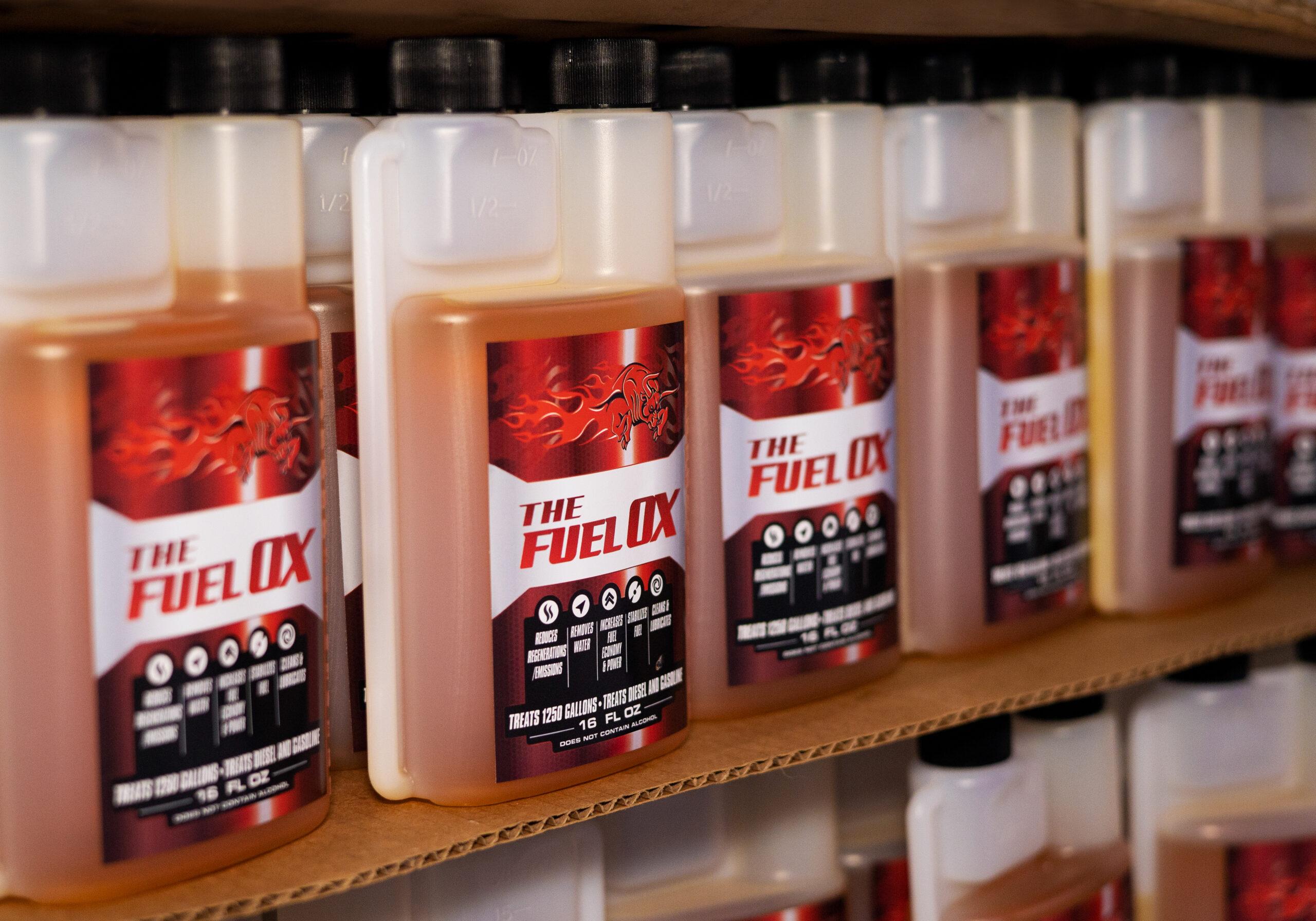
Fuel Ox with Combustion Catalyst is built for exactly this phase of the season. It cleans what winter built up, lubricates what ULSD leaves unprotected, and boosts cetane for the higher-demand work that spring and summer bring. One treatment per tank is all it takes to keep your fuel system in the condition it needs to be in before the heavy haul season starts. If you are concerned about whether a fuel additive can cause any issues with your engine in the process, can fuel additives damage your engine addresses that question directly.
The Bottom Line
Anti-gel did its job. Once the temperatures are no longer asking it to work, retire it for the season and give your fuel system what it actually needs coming out of winter. The transition takes one tank and costs almost nothing. Skipping it costs more than most operators realize until something goes wrong.
Ready to take control of your fuel strategy? Whether you’re looking to reduce costs, improve operational efficiency, or gain better visibility into your fuel usage, Fuelox provides tailored solutions designed to deliver measurable results.


