

News
Spring Diesel Tune-Up: What to Check After a Long Winter

Winter is hard on diesel engines. Cold starts, fuel gelling, moisture buildup, and months of idling in freezing temps all take a toll. Now that spring is here, it is time to give your rig a proper once-over before you put it back to work. Whether you are running a pickup, a work truck, or heavy equipment, these are the checks that matter most after a long winter.
1. Fuel System
Start here. Winter diesel blends are formulated for cold weather, but as temps climb, that fuel can leave behind wax deposits and sediment. Drain and replace your fuel filters, even if they are not at their scheduled interval. A clogged filter going into a high-demand season is a breakdown waiting to happen.
If you treated your fuel with an anti-gel additive all winter, flush the system and start fresh with a summer-blend diesel. While you are at it, inspect the fuel lines and connections for any cracking caused by freeze-thaw cycling.
2. Coolant and Cooling System
Temperature swings between winter and spring put stress on your coolant system. Check your coolant concentration with a refractometer to make sure the mixture is right for warmer operating temps. Inspect hoses for soft spots, swelling, or cracking, and look at the radiator for any corrosion or debris that packed in over winter.
If it has been two years or more since your last coolant flush, spring is the right time to do it.
3. Oil and Lubrication
Cold starts are brutal on engine oil. Every start below freezing is essentially a momentary dry start before the oil fully circulates. Check your oil level and condition now. If the oil looks dark, thin, or smells like fuel, change it before putting the truck back into heavy service.
Also check your grease points. Chassis fittings, u-joints, and fifth wheel plates can dry out over winter, especially if the truck sat for extended periods.
4. Air Intake and Turbo
Road salt, slush, and ice all find their way into air intakes during winter. Pull your air filter and inspect it closely. A dirty air filter starves your turbo and drops fuel economy fast. While the filter is out, look into the intake tube for any cracking, oil residue, or debris.
If you have a turbocharged diesel, check the turbo inlet and outlet boots for cracks. Cold plastic gets brittle and boost leaks are easy to miss until performance starts dropping.
5. Exhaust and DEF System
For trucks equipped with DEF (diesel exhaust fluid) systems, winter can cause DEF to freeze in the tank or lines. Most modern systems have heaters to handle this, but it is worth inspecting the DEF tank, lines, and injector for any damage. Top off your DEF if levels are low.
Inspect your EGR cooler and DPF if your truck has accumulated high miles. Spring cleaning cycles are a good time to do a manual DPF regen if you have been doing a lot of short, low-load trips over winter.
6. Batteries and Electrical
Diesel engines demand enormous cranking power, and batteries take a beating in cold weather. Test your batteries under load, not just with a simple voltage check. A battery that looks fine at rest can fail the moment you ask it to crank a cold engine on a spring morning.
Check all your ground straps and cable connections for corrosion. Clean terminals with a wire brush and apply dielectric grease to keep moisture out going forward.
7. Tires and Brakes
If you were running winter tires, now is the time to swap back to all-season or summer rubber. Inspect tire pressure on every corner since temperature changes can drop PSI significantly. Check tread depth and look for any sidewall cracking or uneven wear patterns that developed over winter.
Brake inspection is non-negotiable this time of year. Salt and moisture accelerate rotor rust and caliper seizure. Check your pad thickness, rotor surface, and make sure all calipers are sliding freely.
8. Fuel Additives for Spring
Once your system is clean and your filters are fresh, this is the ideal time to start a spring additive regimen. A quality cetane booster improves combustion efficiency coming out of winter. A lubricity additive protects injectors, especially if your local fuel supply runs ultra-low sulfur diesel without much natural lubrication.
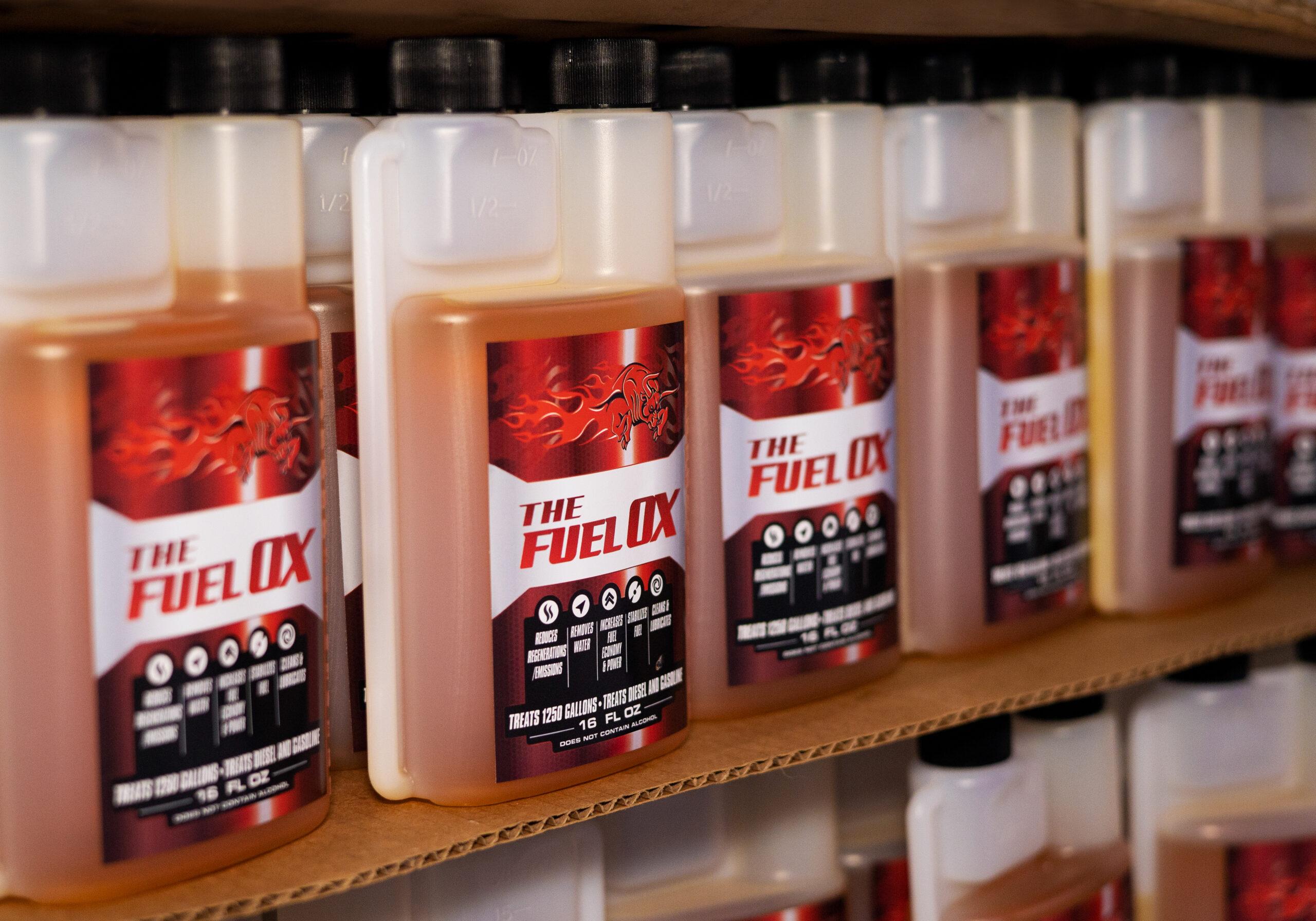
Fuelox diesel treatment is formulated to clean injectors, boost cetane, and protect the entire fuel system through seasonal transitions. A single tank treatment at the start of spring goes a long way toward keeping performance strong all season.
Now You’re Ready for a Spring Diesel Tune-Up
A thorough spring inspection takes a few hours and costs far less than a roadside breakdown or a premature injector failure. Diesel engines are built to last, but only if you give them consistent attention. Take the time now, before the heavy haul season kicks in, and your engine will reward you with clean power all the way through fall.
Ready to take control of your fuel strategy? Whether you’re looking to reduce costs, improve operational efficiency, or gain better visibility into your fuel usage, Fuelox provides tailored solutions designed to deliver measurable results.


