

News
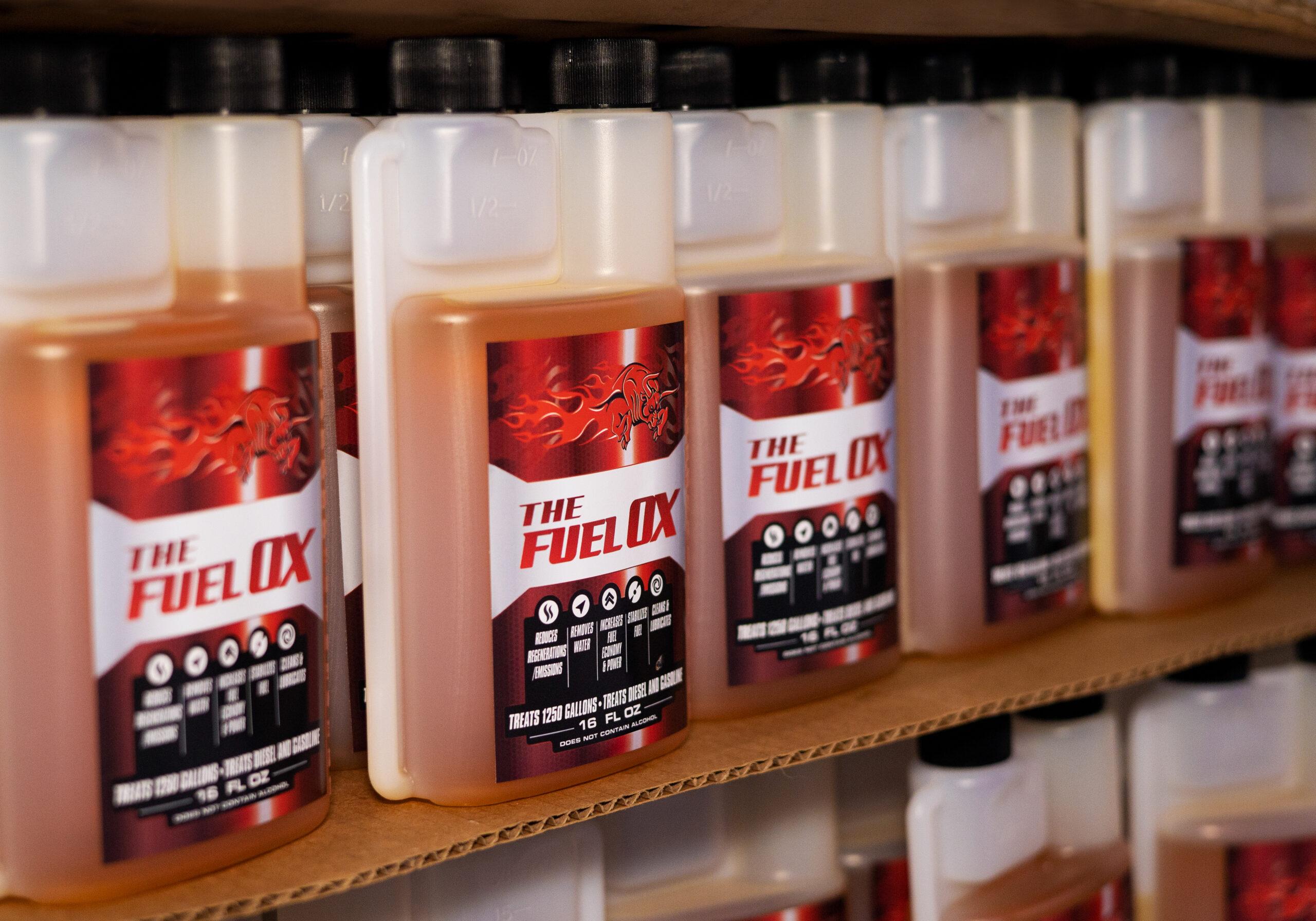
Fuel Cleaning Isn’t Finished Without Fuel Ox® Vantage™
You just had your fuel polished. The technician packed up his equipment, handed you a clean fuel sample, and left. The fuel looks clear, the tank looks clean, and the job looks done.
It isn’t.
In fact, without the right follow-up treatment, the clock is already ticking on your next contamination problem. The microbes are regrouping. The oxygen is already dissolving back into the fuel. The moisture is already condensing on the tank walls. And the diesel freshly polished, perfectly clear is sitting there completely unprotected.
Fuel polishing is a critical service. We’re not here to argue otherwise. But polishing is a mechanical process. It removes what’s already there. It does nothing about what comes next.
That’s where Fuel Ox® Vantage™ comes in.
What Fuel Polishing Actually Does and Doesn’t Do
Let’s be clear about what you’re getting when you have fuel polished.
Fuel polishing is a filtration process. The fuel is drawn from the tank, run through a series of filters to remove water, sediment, particulate matter, and microbial biomass, and then returned to the tank. Done properly, it brings stored diesel back into compliance with ASTM D975 standards. It removes the visible contamination, the sludge, the dark color, the grit you can feel between your fingers.
That’s valuable. That’s worth doing.
But here’s the part that doesn’t show up in the sales pitch: most filters only capture particles down to 5 microns. Microbes are smaller than that. They pass straight back through the filtration system and right back into the tank along with the cleaned fuel. The biomass is gone but the organisms that created it never left.
And that’s just one gap.
Fuel polishing doesn’t stop oxidation. It doesn’t replace lost lubricity. It doesn’t seal the tank against moisture. It doesn’t neutralize the acids that degraded fuel leaves behind. It doesn’t treat the biofilm that adheres to tank walls, fuel lines, and internal surfaces the kind that no filter can reach and no service truck can touch.
When clean fuel goes back into a dirty environment, it’s only a matter of time before the cycle starts again. In fact, industry experts note that re-contamination can begin practically before the service technician has left the site.
You paid for clean fuel. You deserve to keep it clean.
The Gap Between Clean and Protected
Think about what happens inside a storage tank between service visits.
Every temperature swing creates condensation. That moisture finds its way to the bottom of the tank, where it creates the perfect environment for microbial growth. Bacteria and fungi thrive at the diesel-water interface feeding on the fuel, producing acidic byproducts, forming the same slimy biofilm that eventually clogs your filters and corrodes your tank walls. With modern ULSD which has far less of the natural microbial resistance that higher-sulfur diesel once provided, this process doesn’t take long.
At the same time, oxygen is constantly attacking the fuel chemistry itself. Oxidation forms varnishes and gums. Asphaltene particles drop out of solution and settle as sediment. The longer the fuel sits, the darker it gets, the more acidic it becomes, and the more its combustion quality deteriorates.
None of that is the polishing technician’s fault. It’s chemistry. It’s what ULSD does when left alone.
Fuel polishing cleans the fuel you have. Fuel Ox® Vantage™ protects the fuel you’re keeping.
What Vantage™ Does That Polishing Can’t
Fuel Ox® Vantage™ is formulated specifically as a post-polish stabilization and long-term protection treatment. It’s engineered to pick up exactly where the service truck leaves off, locking in the clean condition of freshly polished fuel and defending it against every threat that polishing leaves behind.
Maintenance-Level Biocide. Where filtration physically removes microbial biomass, Vantage™ works chemically to prevent microbes from re-establishing. Its built-in biocide, the same class of protection found in our Fuel Ox® with Combustion Catalyst formula keeps bacteria, yeast, and fungi from colonizing your tank between service intervals. Kill what polishing missed. Stop the rest from starting.
Antioxidant Stabilizers. Polishing can’t prevent future oxidation Vantage™ can. Its stabilizer package neutralizes the free radicals that drive gum, varnish, and asphaltene formation, keeping the fuel chemistry stable and the fuel clear for extended storage.
Corrosion Inhibitors. Vantage™ lays down a protective barrier on metal surfaces inside the tank and fuel system the surfaces that water clings to and microbe-produced acids attack. This is particularly critical after a polish, when the tank interior has been disturbed and any remaining residue can accelerate corrosion of fresh, unprotected surfaces.
Lubricity Restoration. Modern ULSD is stripped of its natural lubricity during the refining process. Vantage™ replenishes it, protecting injectors and fuel system components from the accelerated wear that stored, untreated ULSD causes especially during cold-start conditions after long idle periods.
Water Dispersal. Rather than letting water pool at the tank bottom where it feeds microbial growth, Vantage™ disperses water throughout the fuel where it can be safely burned off, stopping the cycle of condensation-to-contamination before it begins.
The Complete Protocol
Fuel polishing and Fuel Ox® Vantage™ aren’t competing solutions. They’re sequential steps in a complete fuel maintenance program.
Think of it this way: polishing is surgery. Vantage™ is aftercare. One without the other is an incomplete treatment plan.
The recommended approach is straightforward:
Step 1 Polish the fuel. Remove existing contamination, water, and biomass. Return the diesel to ASTM-compliant, clear-and-bright condition.
Step 2 Treat with Vantage™ immediately. Add Vantage™ to the freshly polished fuel at the point of return. The clean fuel accepts the treatment fully, the biocide goes to work on any surviving microbial presence, and the stabilizers begin protecting the fuel chemistry from the moment the tank is sealed.
Step 3 Maintain on schedule. Reapply Vantage™ with each new fuel delivery and at regular intervals throughout the storage period. Keep the protection current, keep the fuel stable, and eliminate the conditions that make emergency polishing necessary in the first place.
Done this way, facilities that used to require polishing every six to twelve months can significantly extend that interval reducing service costs, reducing downtime, and reducing the risk of showing up to a generator test with fuel that fails.
Who This Is For
If you manage fuel storage in any capacity, standby generators, bulk storage tanks, fleet reserves, marine fuel, seasonal equipment and you’re already doing the responsible thing by scheduling regular fuel polishing, Vantage™ is the logical completion of that program.
You’ve already invested in the service call. You’ve already paid for the technician’s time, the equipment, and the disposal of the contamination they pulled out. Treating with Vantage™ immediately after is a fraction of that cost and it’s the part that actually makes the investment last.
Without it, you’re maintaining a clean tank on a treadmill. With it, you’re building a fuel maintenance program that compounds its returns over time.
Don’t Just Clean It. Protect It.
Fuel polishing restores what’s been lost. Fuel Ox® Vantage™ protects what’s been restored.
Clean fuel in a protected tank is fuel you can count on when the power goes out, when the emergency kicks in, when the equipment has to start on the first pull and there’s no margin for error.
That’s the standard every stored fuel system should be held to. And it’s the standard Fuel Ox® Vantage™ was built to meet.
Ready to complete your fuel maintenance program? Explore our full product line or contact our team to find the right Vantage™ treatment schedule for your storage volume and application.


