

News
Fuel Ox® Vantage™: Long-Term Protection for Stored Diesel & Data Center Generators
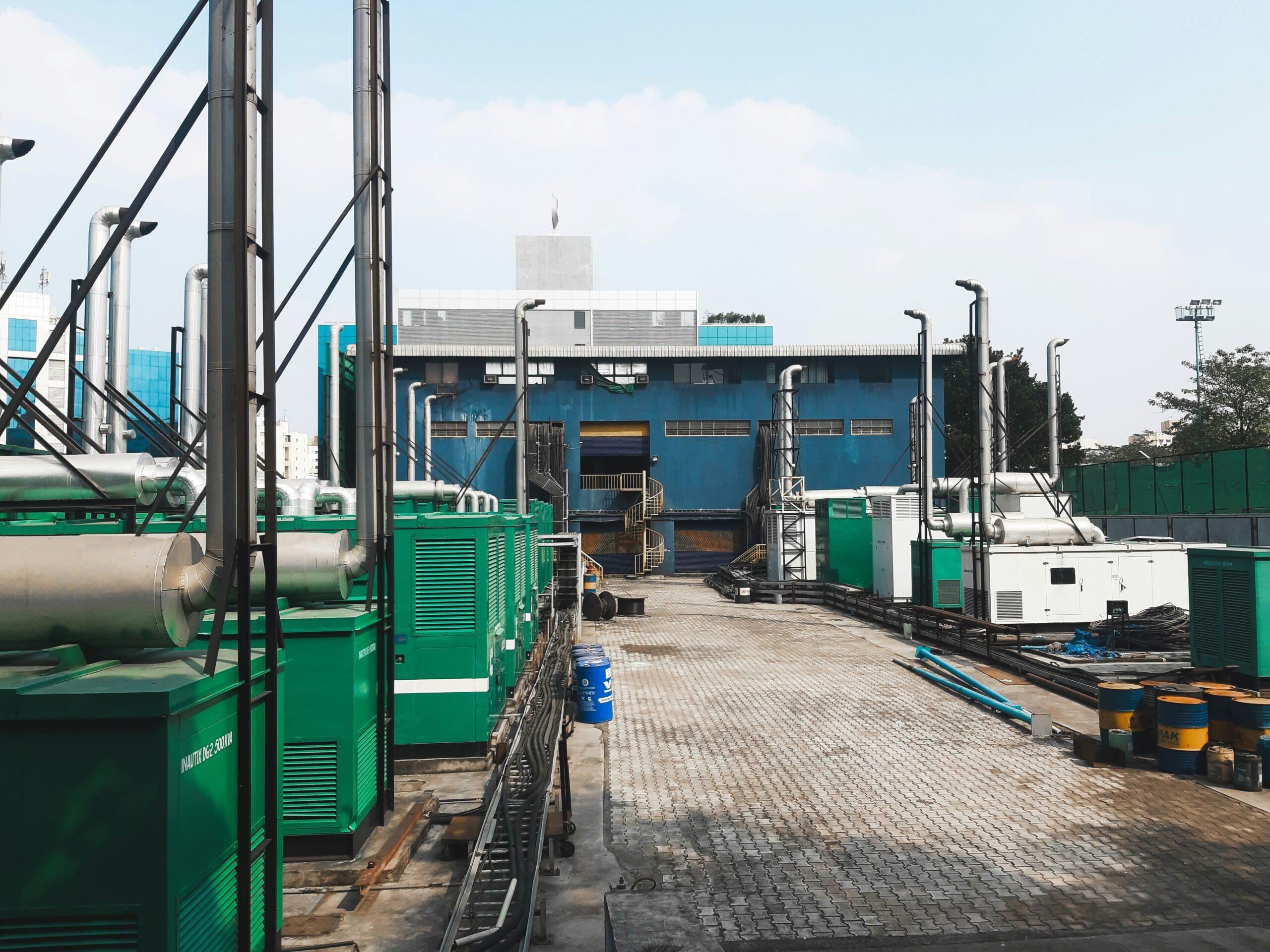
Your data center’s backup generators exist for one reason: to be there when everything else isn’t.
The redundant UPS systems, the automatic transfer switches, the carefully engineered Tier III or Tier IV power architecture all of it routes through the same last line of defense when the grid goes down. And that last line of defense runs on diesel sitting in a storage tank, often untreated, often overlooked, potentially degrading while the rest of your infrastructure gets managed to the millimeter.
Here’s what that oversight costs in practice. According to the Uptime Institute’s analysis, 70% of data center outage incidents cost $100,000 or more. A quarter of them exceed $1 million. Industry-wide, downtime averages $5,600 per minute and for large enterprise operations, that number climbs to $9,000 per minute or higher. SLA penalties, reputation damage, customer churn, and compliance exposure compound on top of the direct revenue loss.
None of those numbers assume mechanical failure. None assume a cyberattack or a flooded cooling system.
Some of them trace directly to diesel that wasn’t ready to burn.
The Diesel Problem Data Centers Don’t Talk About Enough
Data center operators spend considerable resources on generator maintenance schedules, weekly load tests, transfer switch inspections, and redundancy configurations. The fuel in the tank? It often goes months, sometimes years between real scrutiny.
That gap is where failures happen.
Modern ULSD begins chemically degrading within 28 days of storage. Untreated, its practical shelf life is 6 to 12 months before quality decline becomes meaningful. In a 2003 Northeast blackout, 20% of emergency backup systems failed not from mechanical problems, but from fuel that had degraded in the tank while the equipment around it was being maintained. During Hurricanes Katrina and Sandy, multiple data centers experienced generator failures traced in part to poor fuel quality.
A single industry analysis found that fuel stored in backup tanks showed a 26% increase in degradation after just one month, driven by sludge, particulates, water infiltration, and microbial growth. None of those changes are visible to the eye. The fuel looks fine. The tank looks fine. The generator looks fine. Until the grid fails and it isn’t.
The cruel irony of data center fuel management is that generators run infrequently by design a weekly test cycle of 15 minutes under light load barely turns the fuel over which means contamination can compound for months without any operational signal. By the time the generator actually has to carry the full facility load for an extended outage, the fuel feeding it may be working against it.
What’s Actually Happening in That Tank
Modern ULSD is chemically less stable than the diesel it replaced. The refining process that reduces sulfur to the EPA’s mandated 15 ppm threshold also strips out natural stability and lubricity agents leaving a fuel more prone to oxidation, more hospitable to microbial growth, and more sensitive to water contamination than older diesel formulations.
Inside a standing backup tank, three processes are working against fuel quality simultaneously:
Oxidation. Oxygen dissolved in the fuel reacts with hydrocarbon molecules over time, forming gums, varnishes, and eventually asphaltene particulates that drop out of solution as sediment. These particles don’t disappear they accumulate at the bottom of the tank and, when the generator fires under load, get drawn up through fuel lines and into injectors. A 26% degradation rate in 30 days isn’t a worst-case scenario. It’s the documented baseline for untreated ULSD in storage.
Water and Microbial Contamination. Even a 7-degree swing in ambient temperature is enough to cause condensation on the interior walls of a storage tank. That moisture drips to the bottom, creates a water layer, and provides the breeding ground that bacteria, fungi, and yeast need to establish colonies. Modern ULSD, without the natural sulfur that once created a hostile environment for microbial life, is essentially an open invitation. Microbial colonies produce acidic byproducts that attack metal components, create biofilm that coats tank walls and fuel lines, and generate biomass that clogs filters the same filters your generator depends on during the first critical seconds of a grid failure.
Lost Lubricity. ULSD’s reduced sulfur content means reduced lubricity. Every component in a diesel fuel system pumps, injectors, precision-tolerance internal assemblies relies on the fuel itself for boundary lubrication. In a generator that runs infrequently, degraded fuel sitting in the system means that cold-start moment, when the equipment is asked to perform under full load after months of standby, happens with fuel that isn’t adequately protecting the components it’s passing through.
These aren’t hypothetical risks. They’re the documented cause of real generator failures in real data centers at real moments of operational consequence.
Introducing Fuel Ox® Vantage™
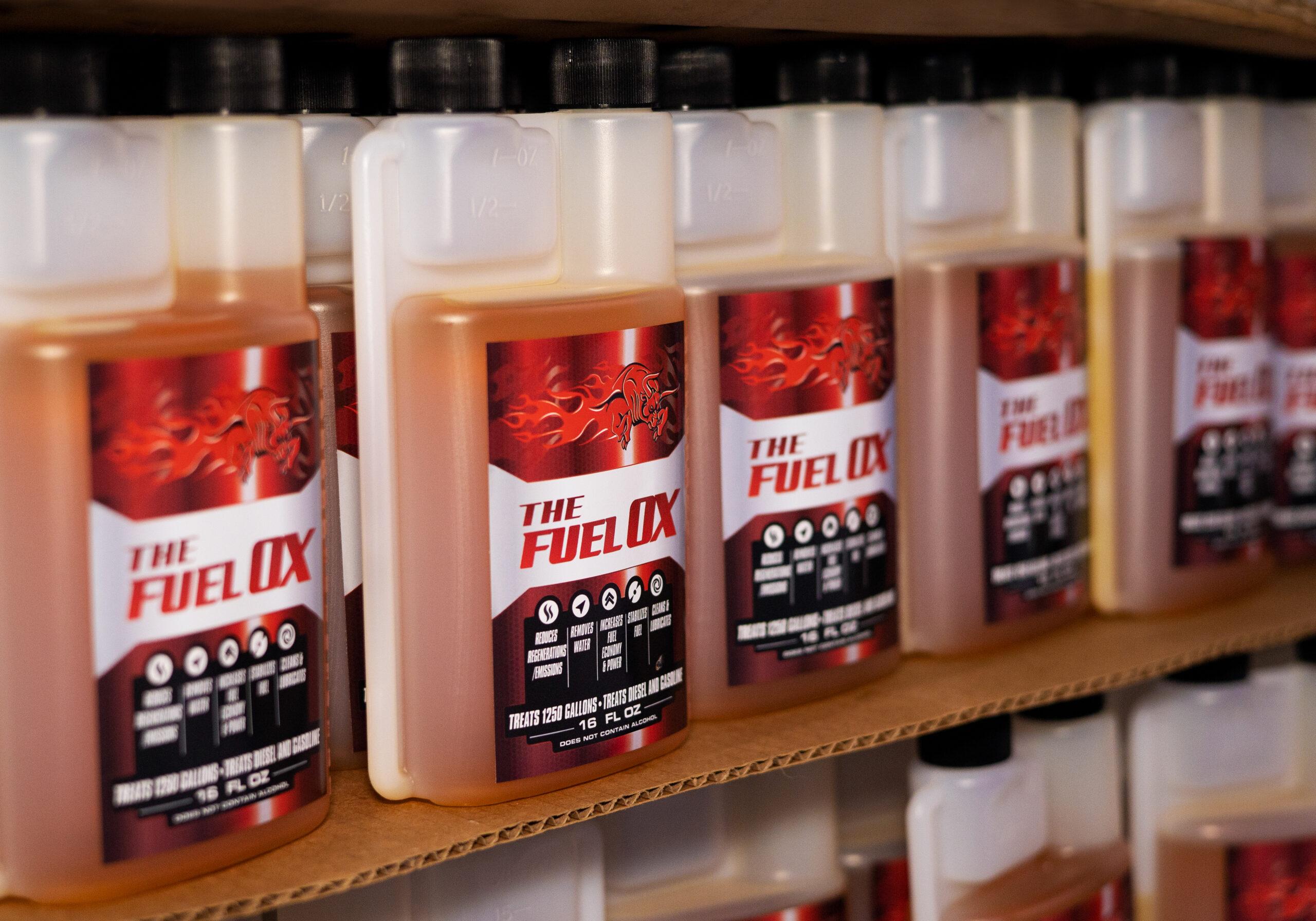
Fuel Ox® Vantage™ is formulated specifically for long-term stored diesel protection purpose-built for applications where the fuel must remain ready for extended periods and where failure at the moment of demand is not an acceptable outcome.
For data centers maintaining backup diesel reserves, Vantage™ addresses every degradation pathway that untreated ULSD is vulnerable to:
Oxidation Control. Vantage™’s antioxidant package neutralizes the free radicals that initiate gum, varnish, and asphaltene formation keeping fuel chemistry stable and filters clear for the duration of the storage period. Clean fuel from day one stays clean.
Built-In Biocide. The same class of maintenance-level biocide protection built into Fuel Ox® with Combustion Catalyst is incorporated into Vantage™, calibrated for storage conditions. Bacteria, fungi, and yeast can’t establish colonies in a tank where the chemistry is actively hostile to their growth. Prevention costs a fraction of what remediation does and remediation can’t happen when the power is already out.
Corrosion Inhibitors. Water will enter a storage tank. Vantage™ ‘s corrosion inhibitor package creates a protective barrier on metal surfaces throughout the tank, fuel lines, and fuel system neutralizing the threat before microbial acids and water-driven corrosion can compromise structural integrity or generate the particulates that clog filters at the worst possible moment.
Lubricity Restoration. Vantage™ replenishes the lubricity that ULSD refining removes, protecting injectors, pumps, and fuel system components during the cold-start conditions that define generator performance in a real outage. The equipment you’ve invested in, maintained, and tested deserves fuel that protects it when it counts.
Water Dispersal. Rather than allowing water to pool at the tank bottom where it feeds microbial growth, Vantage™ disperses moisture throughout the fuel at concentrations that allow it to be safely burned off interrupting the condensation-to-contamination cycle that degrades untreated stored fuel.
The Data Center Risk Calculation
Most data center operators have a clear mental model of infrastructure risk. Redundant cooling. N+1 power paths. Hot standby systems. Every critical component has a backup, and every backup has a maintenance program.
Fuel quality needs to be in that mental model.
The math is straightforward. A single generator failure during a grid outage traced to degraded diesel in an inadequately maintained tank can produce a downtime event costing hundreds of thousands to millions of dollars in direct losses, before factoring in SLA penalties, customer attrition, and the reputational consequences that follow a facility reliability failure.
The cost of treating stored diesel with Fuel Ox® Vantage™ is a rounding error by comparison.
Fuel injection pump replacements run $5,000 or more per generator when contaminated fuel causes premature wear. Emergency fuel polishing and tank remediation add service costs, downtime, and the operational anxiety of dealing with a contamination event after it’s already taken hold. Disposing of degraded diesel that’s no longer fit for use fuel that was usable and could have been protected runs $5 to $20 per gallon in disposal fees alone.
Prevention is always the better financial decision. In the data center context, it’s also the only acceptable operational decision.
The Protocol: Treat at the Point of Delivery
The optimal approach for data centers is consistent and straightforward: treat diesel with Fuel Ox® Vantage™ at the point of delivery, every time fuel enters the system.
Fresh diesel introduced into a backup tank doesn’t arrive in a sterile environment. It enters an existing system where contaminants may already be present, where condensation is ongoing, and where the fuel may sit for months before the next delivery adds fresh stock. Treating immediately at delivery ensures that protection is in place from the first day before oxidation advances, before microbial conditions mature, before corrosion begins.
For data centers with large-volume reserves, this combines naturally with a scheduled fuel polishing program. Polishing removes what’s already there. Vantage™ protects what’s been restored. Used together, they create a complete fuel quality assurance system, one that gives facilities managers the documented confidence that backup power infrastructure is genuinely ready, not just tested on a light load for 15 minutes each week.
Uptime Starts in the Tank
Data centers are measured in nines. 99.9%. 99.99%. 99.999%. Each decimal place represents a commitment to customers, a contractual obligation, and an operational standard that the entire facility is engineered to meet.
That engineering extends to the server room, the cooling infrastructure, the electrical distribution, and the physical security of the building. It should extend equally to the diesel sitting in the backup tank, the fuel that every tier of redundancy ultimately depends on when the grid can no longer be trusted.
Fuel Ox® Vantage™ is how you close that gap. Not reactively, after a fuel quality failure has already compromised a generator test or, worse, a real outage. But proactively, at the point of delivery, as a standard component of the fuel management program that serious data center operations run alongside every other element of their resilience architecture.
The generator starts on the first pull. Every time. That’s the standard. That’s what Vantage™ was built to protect.
Ready to add diesel quality protection to your data center’s resilience program? Explore our full product line or contact our team to find the right Vantage™ treatment schedule for your storage volume and generator configuration.


