
News
What Causes White Smoke in Diesel Engines? (+ Quick Fixes)
White smoke from a diesel engine is a warning sign you should never ignore. In most cases, it means fuel is entering the combustion chamber but not burning the way it should, or coolant is leaking in and turning to steam. Either way, white exhaust smoke is often a sign of incomplete combustion somewhere in the fuel system.
Not all white smoke is created equal. Some causes are harmless and clear up within a minute, while others point to serious internal damage that can cost thousands if you keep driving.
At Fuel Ox®, we’ve spent years helping drivers and fleets keep their diesel engines running clean, and that experience has shown us how often white smoke ties back to fuel quality and incomplete combustion.
In this article, we’ll walk through the common causes of white smoke, the symptoms that come with each one, and how to do a quick diagnosis at home.
Key Takeaways
- White smoke means unburned fuel or coolant turning to steam.
- Thin vapor at cold startup is normal and clears as the engine warms.
- Bad injectors, low compression, timing issues, or failed glow plugs all cause it.
- Thick, lasting smoke with coolant loss signals a serious leak—see a mechanic.
- Match smoke timing and symptoms to pinpoint the cause fast.
- Fuel Ox® keeps fuel clean for a smoke-free burn.
Understanding White Smoke vs. Other Exhaust Colors
White smoke forms when fuel droplets or water vapor pass through the engine without fully burning. Instead of being consumed during combustion, these particles exit through the exhaust as a pale, cloudy haze. The thickness and smell of that visible smoke can tell you a lot about the root cause.
It helps to know how white smoke differs from the other colors you might see:
- Black smoke usually means the engine is burning too much fuel or not getting enough air.
- Blue smoke points to engine oil getting into the combustion chamber and burning, which often means burning oil and high oil consumption.
- White smoke comes from unburned fuel or coolant turning into steam.
Those last two are the main culprits behind white smoke, and figuring out which one you’re dealing with is the key to fixing the problem correctly.
Common Causes of White Smoke
Cold Engine Operation (Normal)
A small puff of white vapor when you first start your diesel is often nothing to worry about. This is usually just condensation and steam burning off as the engine comes up to temperature. It happens most often in cold weather, especially on frosty mornings.
You can tell this type of white smoke is harmless when:
- It appears only at startup.
- It is thin and wispy rather than thick.
- It disappears as the engine warms up.
If the vapor clears within a couple of minutes and doesn’t come back, your engine is most likely running just fine. In this case, the white smoke is really just condensation burning off, not a mechanical fault.
Faulty Fuel Injection
Fuel injectors are responsible for spraying a fine mist of fuel into each cylinder at exactly the right moment. When injectors leak, clog, or spray improperly, the fuel doesn’t burn completely.
The leftover raw diesel then exits the exhaust as white smoke. Bad injectors can also leave fouling deposits behind that make the problem worse over time.
Watch for these accompanying symptoms:
- Rough idling
- Misfires
If you notice white smoke along with an engine that shakes or stumbles at idle, faulty injectors are a strong suspect. A clogged fuel filter that limits fuel flow or bad fuel in the tank can cause similar injector problems, so check those too.
Low Compression
Diesel engines rely on high compression to heat the air inside the cylinder enough to ignite the fuel. When compression drops, the air never gets hot enough, and the fuel fails to burn properly.
Common causes of low compression include worn piston rings, damaged cylinders, and leaking valves. Cylinder glaze on the cylinder liners can also keep the worn rings from sealing the way they should.
The symptoms that often show up with low compression are:
- White smoke from the exhaust
- Hard starting, especially when cold
When an engine cranks for a long time before it fires up and then blows white smoke, low compression is worth checking. A simple compression test is the best way to confirm it.
Injection Timing Problems
Diesel engines depend on precise timing to inject fuel at the right point in the combustion cycle. When the timing is off, fuel gets injected too late.
As a result, it burns poorly or doesn’t burn at all, and the engine produces white smoke from the tailpipe. A worn or failing injection pump is a common reason the timing slips out of spec. Timing issues often require a professional to diagnose, since they involve the engine’s internal calibration.
Failed Glow Plugs
Glow plugs are small heating elements that warm the combustion chamber so fuel can ignite when the engine is cold. When one or more glow plugs fail, the cylinders can’t reach the temperature needed for clean combustion.
A failing glow plug typically leads to:
- White smoke during startup
- Rough running until the engine warms up
If your white smoke shows up mainly on cold starts and fades once the engine is hot, glow plugs are a likely cause.
Coolant Leak (Serious)
This is the cause you really don’t want to ignore. A coolant leak inside the engine usually comes from a blown head gasket, a cracked cylinder head, or a cracked engine block.
When coolant seeps into the cylinders, it turns to steam and creates thick, heavy white smoke that doesn’t go away as the engine warms up. Cracked head gaskets are one of the most common reasons for coolant mixing with the combustion gases.
Be on the lookout for these warning signs:
- A sweet smell coming from the exhaust
- Coolant levels dropping with no visible leak on the ground
- Engine overheating
- Milky or foamy oil on the dipstick
If you spot any combination of these symptoms, stop driving and have the engine inspected as soon as possible. Coolant entering the cylinders can quickly lead to costly engine damage if you keep running the motor.
Quick Diagnosis Guide
One of the best ways to figure out what’s behind your white exhaust smoke is to pay close attention to when it shows up and what else is happening with the engine. The diesel smoke itself gives you clues, and pairing those clues with other symptoms helps narrow down the cause quickly.
In most cases, white smoke occurs because of incomplete combustion in the fuel system or because coolant is entering the cylinders, so the visible smoke is really a window into your engine’s health.
Matching Smoke Characteristics to Causes
Different problems produce different kinds of white smoke. Use these patterns to point yourself in the right direction:
- Thin white vapor only when the engine is cold usually means normal condensation is burning off, and it should clear up as things warm up.
- White smoke paired with rough running often points to an injector, glow plug, or timing issue, and bad injectors that misfire can dump raw diesel into the exhaust spaces.
- Persistent thick white smoke along with coolant loss is a strong sign of cracked head gaskets or a coolant leak, where coolant mixing with combustion gases creates that heavy cloud.
- White smoke with hard starting tends to mean low compression or a glow plug failure, both of which keep fuel from burning cleanly.
Matching the smoke to the symptoms won’t always give you a final answer, but it gets you close enough to know whether you’re dealing with something minor or something that needs a professional.
If the smoke seems tied to bad fuel or bad diesel, you should also suspect contamination in the tank.
When to See a Mechanic
The trickiest part for most drivers is telling harmless vapor apart from a serious problem. As a general rule, thin vapor that disappears shortly after startup is nothing to lose sleep over. Thick, persistent smoke that lingers, comes back, or shows up alongside other warning signs is a different story and can signal real engine damage.
Get to a mechanic right away if you notice any of these red flags:
- Coolant levels dropping with no puddle on the ground, which often means coolant issues inside the engine
- Engine running hot or overheating
- A sweet smell coming from the exhaust is a classic sign of coolant entering the cylinders
A mechanic can run a compression test to check for worn rings or cylinder problems, inspect the injection pump and injectors, and look over the exhaust system and intake manifold for clues. Ignoring persistent white smoke can turn a manageable repair into a costly one.
A small coolant leak can grow into a cracked head or block and lead to costly engine damage, while unburned fuel issues can cause fuel dilution of your oil, reduced oil control, and poor engine performance over time.
Acting early almost always costs less than waiting until the engine fails.
How Fuel Ox® Can Help
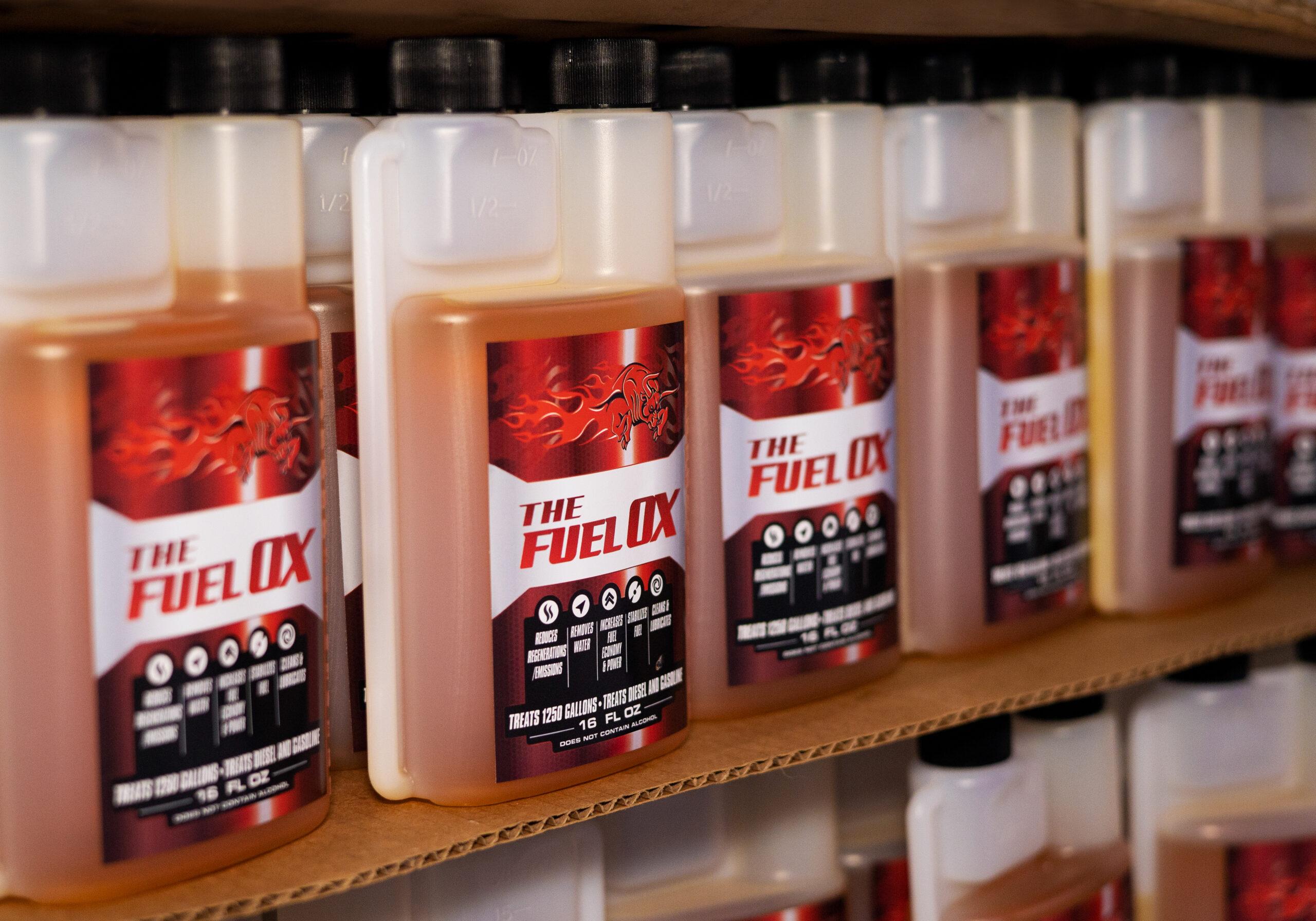
Since white smoke often traces back to water, condensation, and unstable fuel that won’t burn cleanly, keeping your fuel in top shape is one of the best defenses you have. That’s where Fuel Ox® Star Plus™ comes in. Star Plus™ is designed to improve fuel system efficiency and greatly reduce common fuel-related issues, including stabilization, sludge buildup, water, and corrosion.
This matters because contaminated or degraded fuel is a frequent cause of poor combustion and smoke. Bio-blend fuels tend to break down faster and gum up the interior parts of a fuel system, and oxidation creates an acidic environment that deteriorates seals and clogs components.
Star Plus™ prevents that oxidation and keeps bio-blends stable, helping your diesel burn cleaner so you can cut down on smoke and protect your engine for the long haul.
Stay Ahead of White Smoke
White smoke from a diesel engine can mean many different things, ranging from harmless condensation on a cold morning to a serious coolant leak that threatens the whole engine.
The diesel exhaust alone doesn’t tell the full story, which is why the accompanying symptoms matter so much. Rough running, hard starting, coolant loss, overheating, and a sweet exhaust smell are all important pieces of the puzzle, and excessive smoke is rarely something to brush off.
The good news is that paying attention pays off. Using high-quality diesel fuel, changing your fuel filter and oil filters on schedule, and keeping a clean air filter all support good combustion and fuel efficiency, which helps cut down on white smoke, air pollution, and increased fuel consumption.
When fuel burns cleanly and completely, most of it turns into carbon dioxide and water vapor instead of smoke. Be sure to monitor coolant levels regularly so you can catch a leak before it spreads. When you catch the warning signs early and act on them, you give yourself the best chance of a simple, affordable fix.
If your white smoke is thick, constant, or paired with any of the red flags above, don’t wait. Have your engine looked at by a trusted mechanic before a small issue becomes an expensive one.
Still seeing white smoke or not sure whether your fuel is burning as cleanly as it should? If you have any questions about diesel white smoke, fuel quality, or keeping your engine running clean, just contact us. We are always happy to help.


