

News
Renewable Diesel vs Biodiesel: What’s the Difference?

Renewable diesel and biodiesel both sound like the same thing, and people in the fuel industry mix them up all the time. Both are diesel-like fuels made from renewable feedstocks such as used cooking oil, soybean oil, and animal fats. Both are renewable fuels and cleaner alternatives to traditional diesel. So it would be easy to assume you can swap one for the other.
While the two fuels start from similar raw materials, they are chemically different, and they behave differently once they hit your engine and fuel system. One drops right into existing equipment with almost no fuss. The other needs more care around blending, cold weather, and storage. Knowing which is which helps you avoid clogged filters, gelled fuel, and warranty headaches.
That is where experience matters, and Fuel Ox® has spent years helping fleets, marine operators, and heavy equipment owners run cleaner and more reliably on both fuels. Our additives are built to keep any middle distillate fuel stable and burning efficiently, so the differences between these two fuels become a lot easier to manage.
In this article, we break down everything that sets these two fuels apart: their chemistry, how they are produced, how they perform, what they cost, where each one fits best, and how they stack up on environmental impact.
We will touch on production technologies, carbon intensity, and the regulations that shape the market. By the end, you will know exactly which fuel makes sense for your fleet, your equipment, or your climate.
What Is Renewable Diesel?
Renewable diesel fuel is a hydrocarbon that is chemically almost identical to the fossil diesel you already pump today. You will also see it called HVO, which stands for Hydrotreated Vegetable Oil, and it belongs to a group known as renewable hydrocarbon biofuels.
Because its molecules look so much like regular diesel, your engine cannot really tell the difference.
That chemical match gives renewable diesel some strong advantages:
- It works in essentially all diesel engines with no modifications needed
- It can be used at 100 percent concentration, often labeled RD100
- It performs well in cold climates thanks to a low cloud point
- It has a better shelf life, so it stores longer without breaking down
Renewable diesel production has grown fast in recent years, and a handful of large companies lead the way. Much of it is made inside existing petroleum refineries, since the hydrotreating process fits neatly into equipment built for crude oil.
According to the Alternative Fuels Data Center, demand has climbed quickly, partly driven by the Low Carbon Fuel Standard. Major producers include Neste, Valero, and Chevron.
What Is Biodiesel?
Biodiesel is a different animal. It is a fatty acid methyl ester fuel, usually shortened to FAME, and its molecules contain oxygen. As a monoalkyl ester, it behaves differently from conventional diesel, even though it comes from many of the same feedstocks.
FAME biodiesel is produced through a chemical reaction with methanol, and its quality depends on clean feedstock and careful processing.
Here is what sets biodiesel apart:
- It is often blended with diesel rather than used pure, with common blends like B5 (5 percent) and B20 (20 percent)
- It offers higher lubricity, which helps protect fuel system parts
- It can clean deposits out of your fuel system over time
- It may run into cold-flow problems because of a higher cloud point
- Older engines sometimes have seal and filter compatibility concerns
Biodiesel production relies on a range of oils and fats, including soybean oil, rapeseed oil, animal fats, and recycled greases. You will find biodiesel widely used in trucking fleets, agriculture, and municipal vehicles, where blends like B20 have a long track record.
Side-by-Side Comparison
A feature-by-feature breakdown makes the differences easy to see.
Chemistry and Production
The biggest split between these fuels is what they are made of and how they are made. Renewable diesel is a hydrocarbon, while biodiesel is an FAME. Renewable diesel is produced by hydrotreating oils and fats with hydrogen in the presence of a catalyst, a process that resembles a traditional refinery operation.
Other emerging methods, such as gasification and pyrolysis of biomass, can also make renewable diesel, though hydrotreating dominates today. Biodiesel is produced through transesterification, which uses alcohol to convert oils and fats into esters and removes impurities along the way.
The same family of clean-burning technology even produces sustainable aviation fuel and renewable gasoline from similar feedstocks.
On the spec sheet, renewable diesel meets ASTM D975 and D7566, the same family of standards used for petroleum and aviation fuels, while biodiesel meets ASTM D6751.
Performance and Compatibility
This is where day-to-day operation comes into play. Renewable diesel is a true drop-in replacement, while biodiesel is usually blended at levels like B5 or B20. In cold weather, renewable diesel performs excellently because of its low cloud point, but biodiesel is more prone to gelling.
Renewable diesel also wins on storage stability, since biodiesel is more likely to oxidize and absorb water over time. Energy content for renewable diesel sits very close to regular diesel, while biodiesel runs slightly lower.
Because renewable diesel acts so much like fossil diesel, it moves through existing pipelines and tanks more easily, while biodiesel comes with more handling limitations.
Emissions and Cost
Both fuels cut lifecycle carbon, but they differ in the details. Renewable diesel delivers lower lifecycle CO₂ and lower particulates, while biodiesel also lowers lifecycle CO₂ but can sometimes raise nitrogen oxide emissions.
As low-carbon fuels, both can earn credits under programs that reward a lower carbon intensity.
On price, renewable diesel is typically more expensive, while biodiesel is usually the cheaper option. And if you get lost in the names, just remember the shorthand: renewable diesel is HVO, and biodiesel is FAME.
Which One Is Better?
There is no single winner here. The better fuel depends on what you care about most: convenience, climate, cost, or what your region already supports. Let’s look at when each fuel comes out ahead.
When Renewable Diesel Wins
Renewable diesel tends to be the stronger pick when ease and reliability matter more than price. It shines in a few clear situations:
- You want a true drop-in fuel that works without changing your engine or equipment
- Cold weather matters, since it resists gelling far better than biodiesel
- Long storage stability matters, because it holds up over time without breaking down
- Fleet operators want minimal operational changes and no new handling rules to train staff on
When Biodiesel Wins
Biodiesel can be the smarter choice when budget and local conditions drive the decision. It often makes the most sense when:
- Lower cost is a priority, and you want to stretch your fuel budget
- Existing blending programs are already in place, so B20 or B5 fits right in
- Regional mandates or incentives support its use and improve the economics
- Feedstock and local production availability is strong, keeping supply steady and close to home
Environmental Impact
Both fuels can substantially reduce lifecycle greenhouse gas emissions compared to petroleum diesel, but the size of that reduction depends heavily on the feedstock. The raw material you start with often matters more than the fuel type itself, which is why ongoing research keeps measuring the carbon intensity of each pathway.
A few key factors shape the real-world climate benefit. Waste oils and fats, such as used cooking oil, generally provide the biggest carbon reductions because they reuse something that would otherwise go to waste. Crop-based feedstocks, like soybean or rapeseed oil grown specifically for fuel, can raise land-use concerns since farmland and resources go toward fuel instead of food.
And in modern refinery systems, renewable diesel often achieves deeper emissions reductions than biodiesel, thanks to its production process and clean-burning chemistry.
Both fuels fall under the broad category of biomass-based diesel, and total consumption of these low-carbon fuels keeps climbing as more producers come online.
A Simple Way to Remember the Difference
If all the chemistry and specs start to blur together, here is an easy way to keep these two straight. Think of renewable diesel as the renewable version of normal diesel.
It looks like diesel, acts like diesel, and drops right in. Think of biodiesel as a bio-based alternative fuel that behaves somewhat differently, which is why it usually gets blended and needs a little more attention.
Fuel Ox® Can Help You Get the Most From Either Fuel
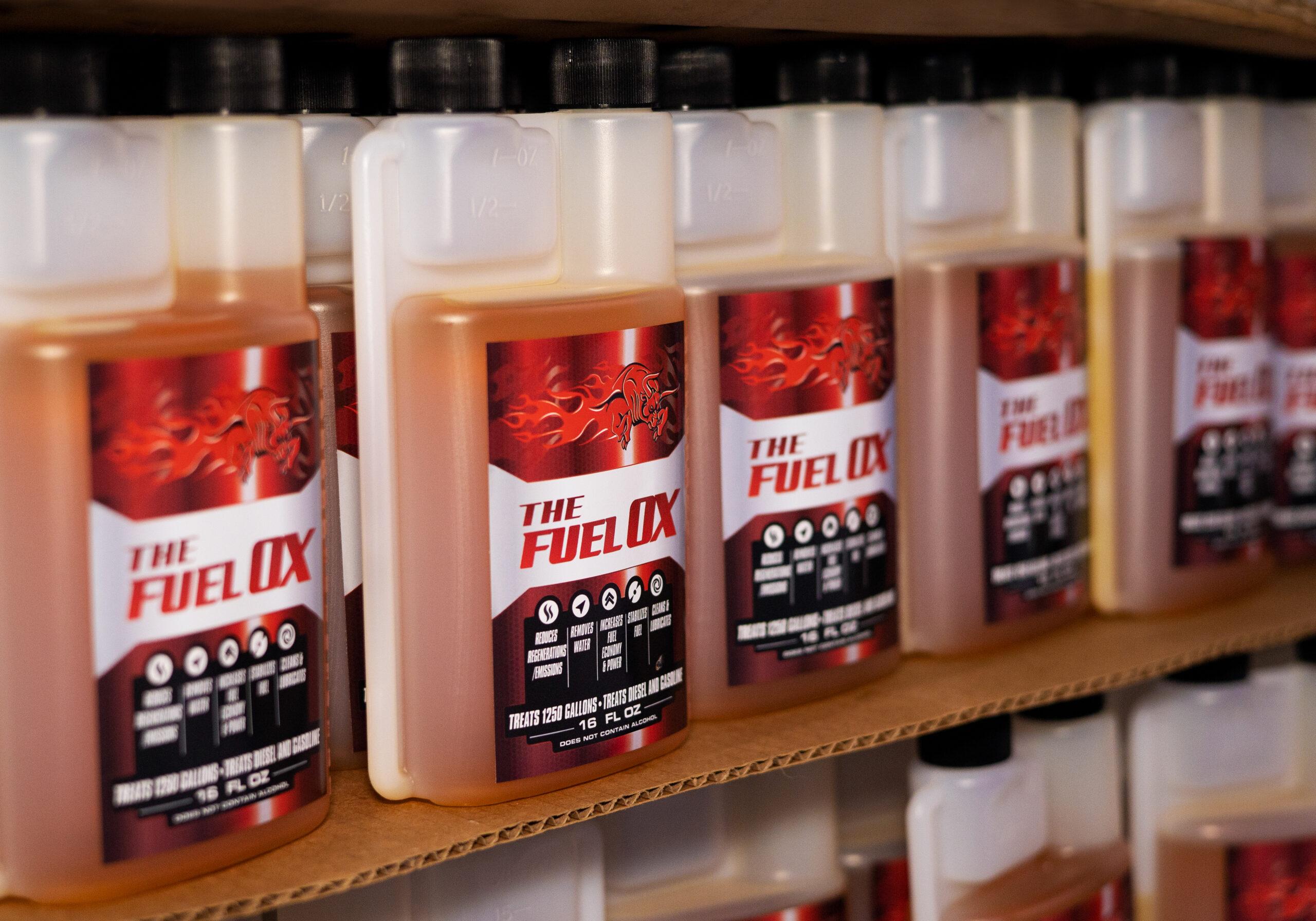
Whether you run renewable diesel, a biodiesel blend, or a mix of both, the right additive protects your engine and your bottom line. Fuel Ox® makes fuel additives that work in any internal combustion engine and stay soluble in every middle distillate fuel, including diesel, biodiesel, and HVO.
Our flagship Fuel Ox® with Combustion Catalyst boosts fuel efficiency, cuts emissions, and reduces costly DPF regens. For higher biodiesel blends like B20 and up, Fuel Ox® Star Plus™ Bio prevents the oxidation, gelling, and sludge that bio-based fuels are prone to, keeping your fuel system clean and stable year-round.
Renewable Diesel or Biodiesel: Making the Right Call
Renewable diesel and biodiesel share the same renewable origins, but they part ways when it comes to chemistry and behavior. One is a hydrocarbon that mimics fossil diesel almost perfectly, and the other is an oxygen-containing FAME that brings its own strengths and quirks.
Both sit alongside other biofuels like ethanol in a fast-growing market, and the Department of Energy expects their role to keep expanding as engine manufacturers and refiners invest in cleaner technologies.
The right choice comes down to your priorities. If you value drop-in convenience and strong cold-weather performance, renewable diesel is hard to beat. If cost and existing infrastructure carry more weight, biodiesel often makes more sense.
Either way, both fuels represent meaningful steps toward lower-carbon transportation, and choosing one over fossil diesel is a win for the road ahead.
If you have any questions about renewable diesel, biodiesel, or which Fuel Ox® product is right for your setup, just contact us. We are always happy to help.


