

News
Water in Fuel Tank Symptoms: Signs Your Engine Is at Risk
If your engine’s acting up, sputtering, stalling, or just running like it forgot how to be smooth, there’s a real chance you’ve got water in your gas or diesel tank. And no, it doesn’t take much. Even a few ounces of water in the fuel tank can wreak havoc on your fuel system, disrupting the combustion process, clogging fuel filters, and sending repair costs through the roof.
At Fuel Ox, we’ve seen this more than a few times, and trust us, vehicle owners who ignore early fuel tank symptoms often end up paying the price. So, let’s walk through the most noticeable symptoms, why they happen, and how to handle it before it escalates.
Key Takeaways
- Even a few ounces of water in your gas or diesel tank can cause major engine performance issues.
- Common symptoms include rough idling, misfires, hesitation, white exhaust steam, and hard starts.
- Water in fuel can enter through condensation, loose gas caps, or contaminated fuel stations.
- Long-term contamination leads to rust, clogged filters, microbial growth, and costly repairs.
- Regular maintenance and choosing high-turnover fuel stations help prevent water contamination.
- Fuel Ox® with Combustion Catalyst disperses water, boosts fuel efficiency, and protects your entire fuel system from long-term damage.
What Happens When Water Gets in Your Fuel Tank?
Water and fuel are like two housemates who refuse to speak. They don’t mix, and when they end up in the same gas tank, they immediately separate. Because water is heavier, it settles at the lowest point, the bottom of the tank, which also happens to be where your fuel pump draws from. If that’s not bad enough, modern fuel delivery systems are incredibly sensitive to water contamination, especially when water mixes with ethanol-blended gasoline.
Once water in the tank makes its way into the vehicle’s fuel system, it disrupts everything, from fuel injectors to the combustion chamber. You may see decreased fuel efficiency, engine misfires, or outright stalling. Whether you’re running gas or diesel, the result is the same: poor engine performance and, if left unchecked, potential engine damage. Not a big deal at first glance, but let it go and it becomes one fast.
Common Engine Performance Symptoms to Watch For
Hesitation and Power Loss
If you’re stepping on the gas and getting more “meh” than motion, that’s a red flag. One of the most common symptoms of water in fuel is weak throttle response. Instead of clean ignition, water in the combustion process robs the engine of power, leaving you with sluggish performance, especially noticeable on hills or while towing.
This kind of reduced fuel efficiency isn’t just annoying, it’s expensive. And because water doesn’t combust like fuel, every drop displaces energy your engine needs. It’s like drinking watered-down coffee; you still go through the motions, but the kick isn’t there.
Rough Idling and Surging
A healthy engine idles smoothly. But throw some water in your fuel, and things get jumpy. You might notice rough idling, unstable RPMs, or a slight surge like your engine’s got the hiccups. This often shows up when the car’s tank is low or the engine has been sitting overnight.
Surging can also result from intermittent delivery of fuel vs. water, especially if the contamination is light but persistent. Think of it as the engine trying to figure out whether it’s supposed to be working with treated fuel or just plain water.
Engine Misfires and Sudden Stalling
Misfires happen when fuel fails to ignite properly, often due to water droplets interfering in the combustion chamber. Add in erratic RPMs or a random stall at a stoplight, and you’ve got classic fuel symptoms.
Stalling mid-acceleration? That’s worse, and dangerous. It typically means the fuel system has drawn in more water than fuel, completely choking off the engine. You might even see a sudden drop in power or complete shutdown.
Difficulty Starting the Engine
If you’re cranking for an eternity before the engine fires, or it doesn’t fire at all, you might be dealing with water in the fuel. After sitting for hours, water settles in the bottom of the tank, making it the first thing sucked into your fuel lines and fuel pump on startup.
This problem tends to rear its head after temperature changes or cold nights, especially in tanks with a lot of air space. The more air inside, the more likely condensation builds up.
Check Engine Light and Trouble Codes
Modern vehicles are smarter than they look. A little hiccup in the fuel system’s health and you’ve got a check engine light on your dash. Code readers might show things like P0300 (random misfires) or fuel mixture errors, both of which can be caused by contaminated fuel.
These codes don’t scream “water problem,” but combined with the other fuel tank symptoms, they should raise suspicion. If you’re seeing these and recently filled up at unfamiliar gas stations, it might be time for a closer look.
White Smoke or Steam from the Exhaust
White smoke, or more accurately, steam, is a lesser-known but useful symptom. If your exhaust looks like a fog machine when the engine first starts, that’s water in the gas burning off. It usually disappears quickly, unlike smoke from coolant or oil.
Want to confirm? Perform a visual inspection using a clear container. Drain a little fuel and look for cloudiness or visible layers. A clear glass container or fuel tester can often expose water sitting beneath the fuel.
Unique Symptoms in Diesel Engines
Cloudy or Separated Fuel in Filter Bowls
Diesel systems often come with see-through fuel filter bowls, making detecting water a little easier. If the fuel inside looks hazy, layered, or has a visible water line, that’s a dead giveaway.
You may also notice sludge or rust in the bowl. That’s from water reacting with metal parts, or worse, microbial growth. Regular checks and preventive measures like using water detecting paste or fuel additives can help here.
Hard Starts and Noisy Operation
Water in diesel fuel lowers lubricity. That causes your fuel pump and injectors to work harder, leading to noisy operation and longer crank times. You might also hear more rattling or feel increased vibration.
If your diesel suddenly acts like it aged 10 years overnight, suspect water in your fuel, especially after a fill-up at sketchy gas stations or during heavy rain when underground storage tanks are more prone to leaks.
What Causes Water to Enter the Fuel Tank?
Condensation in Partially Filled Tanks
When you leave your fuel level low, you invite moisture in. The open space inside the gas tank collects humid air, and when temperatures dip, condensation forms and drips into the fuel.
This is one of the leading causes of water buildup in the tank. To reduce risk, avoid letting your fuel tank run near empty, especially during seasonal shifts or cold nights.
Faulty or Loose Gas Caps
A bad gas cap does more than trigger warning lights. It breaks the vapor seal and allows water in during heavy rain, snow, or even automatic car washes. Over time, this seemingly small flaw can lead to major fuel quality issues.
If you notice fuel smells near your tank or see cracks in the cap, it’s time to replace it. A tight, clean fuel cap can go a long way toward protecting your fuel system from contamination.
Contaminated Fuel Stations
Not all fuel is created equal. Some gas stations, especially low-traffic or off-brand ones, don’t maintain their underground storage tanks properly. That means you’re more likely to pump contaminated fuel, complete with water.
When possible, choose reputable stations with high turnover. Fresh fuel is key. If you suspect water, you can also use water finding paste to test your car’s tank, or just keep a bottle of fuel additives handy to disperse water before it causes trouble.
Water in Fuel Tank Symptoms: What You Need to Know
Long-Term Damage from Water Contamination
Let’s get one thing straight, water in fuel tank symptoms don’t show up by accident, and if water in the tank sits long enough, it becomes a big deal. What starts as a small amount, sometimes just a few ounces from heavy rain, temperature changes, or condensation, can turn into serious water contamination inside your fuel tank and vehicle’s fuel system. Over time, that moisture settles at the lowest point or bottom of the tank, where it begins damaging metal surfaces and reducing overall fuel system’s health.
Here’s where repair costs start creeping in. Rust and corrosion form inside the gas tank, fuel lines, fuel pump, fuel filter, and fuel injectors, and those tiny metal particles end up clogging filters and restricting fuel delivery. Once that happens, you’re looking at poor engine performance, engine damage, and costly repairs that most vehicle owners never saw coming.
Reduced Engine Efficiency
Even a small amount of water in the fuel disrupts the combustion process inside the combustion chamber. Because water doesn’t burn like gasoline or diesel, it causes uneven ignition, which often leads to rough idling, engine misfires, hesitation, and a sudden drop in power. If your engine feels sluggish after refueling, those fuel tank symptoms may point to water in your gas.
The long-term impact is reduced fuel efficiency and lower fuel economy overall. When contaminated fuel reaches the injectors, the engine burns less efficiently, which increases emissions and hurts engine performance. If you notice noticeable symptoms like hesitation, poor throttle response, or a sudden change in fuel efficiency, suspect water in the fuel.
Line Freezing and Microbial Growth
In colder climates, water in the gas or diesel doesn’t just sit there, it freezes. Ice inside fuel lines blocks fuel flow and prevents treated fuel from reaching the engine, leaving your vehicle unable to start. Even a small amount of water buildup can cause fuel starvation, especially when the fuel level is low and air inside the tank increases condensation.
In diesel systems, warm and humid conditions create a different problem. Water mixes with fuel at the bottom of the tank, creating an environment for microbial growth. This sludge spreads through the car’s tank and fuel system, clogging filters, restricting flow, and leading to long-term fuel symptoms that affect reliability and performance.
What to Do If You Suspect Water in Your Fuel
If you suspect water, act quickly. Start by adding fuel additives designed to disperse water and help it burn safely through the combustion process. These products are commonly used for both gas and diesel and can resolve minor water in fuel issues before they turn into engine damage.
If contamination is light, fill up with fresh fuel from a trusted source to dilute the problem and restore fuel quality. Avoid filling at questionable gas stations, especially after heavy rain, since underground storage tanks can sometimes allow water intrusion. For added peace of mind, some owners perform gas tank detecting water checks by draining a sample into a clear glass container or clear container to look for water droplets separating at the bottom.
If the fuel looks cloudy or performance problems continue, the situation may involve more than a small amount. At that point, draining the fuel tank and flushing the vehicle’s fuel system may be necessary. When in doubt, seek professional assistance, professional service now often costs far less than major fuel system repairs later.
How to Prevent Water in the Fuel Tank
Prevention comes down to simple habits and regular maintenance. Keep your tank as full as possible to reduce condensation, since less air inside means fewer temperature changes and less water buildup. This is especially important in cold or humid climates where condensation forms quickly.
Next, check your gas cap or fuel cap regularly. A loose or damaged seal allows moisture to enter the tank during rain or car washes. Replace worn caps with quality parts and avoid filling if you see visible water around the pump area.
Fuel source matters too. Choose busy gas stations with high fuel turnover, since fresh fuel is less likely to contain water contamination. Major retailers typically maintain cleaner underground storage tanks and better fuel quality than low-volume locations.
Diesel vehicle owners should also consider a water separator and drain it as part of routine preventive measures. For extra protection, water detecting paste or water finding paste can be applied to a dipstick or probe to confirm detecting water at the lowest point in the tank. A simple visual inspection like this can prevent a much bigger problem down the road.
Fuel Ox® with Combustion Catalyst: Your All-In-One Solution for Water and Contaminant Issues
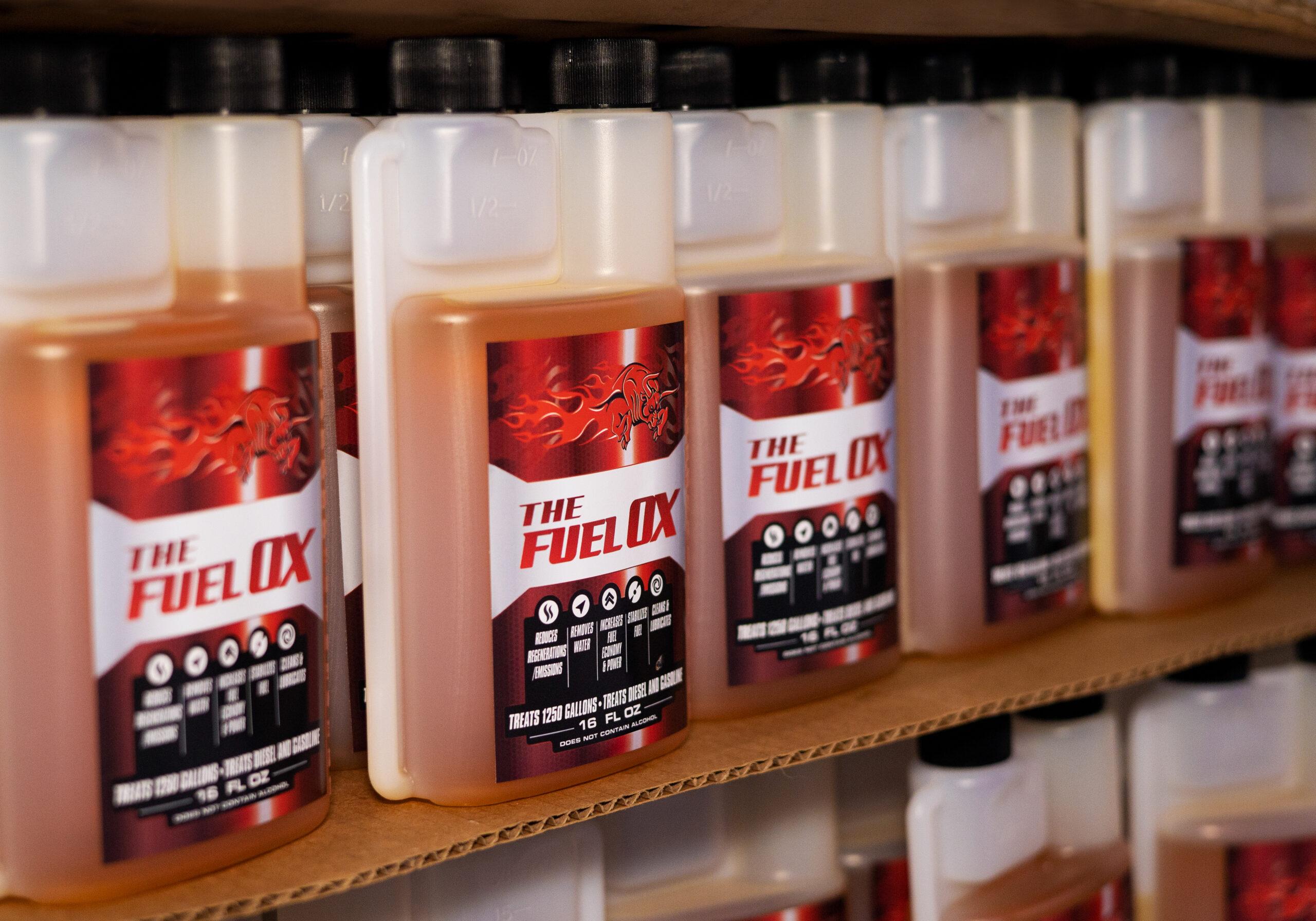
If you’re dealing with water in your gas tank, our Fuel Ox® with Combustion Catalyst formula offers a powerful line of defense. This proprietary additive isn’t just about fuel efficiency, it actively disperses moisture and contaminants, stabilizes fuel, and even halts microbial growth in your tank.
Designed for both gasoline and diesel, it’s one of the most advanced treatments available for keeping your fuel system clean and your engine running strong. Key benefits include:
- Better fuel efficiency
- Reduced emissions
- 50%+ fewer DPF regenerations
- Cleaner EGR valves, sensors, and coolers
- Extended injector life
- Reduced DEF usage (15–20%)
- Stops microbial growth in tanks
Fuel Ox® with Combustion Catalyst is fully soluble in gas, diesel, or HFO. It boosts combustion, protects your fuel system, and lowers long-term maintenance costs, making it a go-to solution for water and performance issues alike.
Conclusion: Don’t Let Water Ruin Your Fuel System
Water in your fuel tank can cause noticeable symptoms, from rough idling and engine misfires to reduced fuel efficiency and long-term engine damage. The good news is that most symptoms of water are easy to recognize if you pay attention to changes in engine performance, especially after refueling or when your vehicle has been sitting.
Whether you’re dealing with water in your fuel, water in the gas, or early fuel tank symptoms, quick action keeps your vehicle running smoothly. Use fuel treatments from Fuel Ox when needed, stick to trusted fuel sources, and follow preventive measures to protect your fuel system. A little attention today can prevent major downtime, and keep your engine performing the way it should.


