
Fuel Quality

What Is Winter Diesel Fuel? How It Works & Why It Matters

truck fleet (1)

If you’ve ever tried starting a diesel engine in the dead of winter, only to be met with silence, or worse, sluggish cranking, you already know the stakes. So, what is winter diesel fuel? Simply put, it’s a modified version of standard diesel fuel, designed specifically to perform better in cold weather and prevent fuel gelling when temperatures drop.

Instead of relying on summer diesel fuel, which tends to thicken in low temperatures, winter diesel is either blended with #1 diesel (like kerosene) or treated with cold flow improvers and additional additives.

Whether you’re running a fleet, a backup generator, or just trying to start your vehicle reliably during the winter months, winter diesel fuel is your first line of defense against fuel system issues caused by cold. Our team at Fuel Ox will explain the difference and exactly how to keep your gas from gelling in cold weather.

Key Takeaways

  • Winter diesel fuel is specially formulated to prevent gelling and ensure reliable performance in cold temperatures.
  • It typically involves blending #1 and #2 diesel or adding anti-gel additives to lower cloud point and CFPP.
  • Diesel gelling occurs when paraffin wax solidifies, clogging fuel filters and lines during freezing weather.
  • Anti-gel additives work at the molecular level to disperse wax crystals and maintain proper fuel flow.
  • Regional blends vary, so it’s important to confirm what’s at the pump before relying on “winter blend” labels.
  • Fuel Ox offers powerful cold-weather treatments like Heat Bomb, Freeze Guard, and Cold Charge to keep diesel engines running strong.

What Makes Winter Diesel Fuel Different?

Winter diesel isn’t just standard diesel with a fancy label. It’s a carefully engineered winter blend, optimized for cold climates, to resist freezing and flow interruptions. Summer fuel starts to break down when wax crystals form, but winterized diesel prevents that by adjusting both the formulation and the fuel’s performance specs.

Depending on your region, winter diesel fuel may be a mix of lighter #1 diesel and heavier #2 diesel, or it may be treated with anti-gel additives. Either way, the result is a winter diesel blend that handles cold weather performance better, protecting your fuel system, filters, and injectors from clogging when things get frigid.

Diesel Gelling: The Problem Winter Diesel Solves

Here’s the heart of the issue: as cold temperatures settle in, paraffin wax in standard diesel fuel begins to solidify. This creates gelled fuel, which gums up your fuel filter, clogs your fuel lines, and strangles your engine’s performance. If you’re depending on summer diesel, this is a recipe for disaster.

That’s why oil companies and fuel stations switch to winter diesel blends during the colder seasons. These fuels are formulated to prevent gelling, protect equipment, and keep trucks and diesel engines running smoothly, whether you’re hauling freight across cold regions or trying to fire up a standby generator.

Cold-Weather Composition: #1 vs. #2 Diesel

Let’s talk about ingredients. Standard #2 diesel has higher energy content and better lubricity, but it’s not great in winter weather. Enter #1 diesel, a thinner, kerosene-like fuel that handles cold conditions like a champ. It’s often used in winter blends to improve flow and reduce the risk of filter plugging.

The key differences? #1 diesel has a lower pour point, fewer waxes, and is less likely to gel. Blending it with #2 diesel strikes a balance between cold flow reliability and power, critical for diesel engines running through winter conditions.

Why Blending the Two Improves Cold Flow

Blending isn’t guesswork, it’s strategy. Mixing #1 and #2 diesel creates a fuel that handles low temperatures while still delivering decent energy output. The #1 diesel cuts through the waxiness of summer fuel, ensuring better cold weather performance.

It also helps maintain filter flow, protects injectors, and reduces the chance of a no-start situation. Think of it as the middle ground between full-on kerosene and high-power diesel, great for trucks, equipment, and generators alike.

How Regional Blending Standards Vary

Winter weather doesn’t hit every region the same way, and fuel stations adjust accordingly. In northern states, major truck stops often sell blends that are as much as 70% #1 diesel during peak winter. In milder zones, you might see a 20/80 mix, or no blend at all.

The switch typically happens in the fall, when oil companies anticipate falling temperatures. But don’t assume your fuel is winter-ready just because it’s cold out. Always check what’s in the pump, especially if you’re traveling across zones.

How Winter Diesel Fuel Works

Winter fuel works by lowering the critical temperature points where wax crystals begin to form. These include the cloud point (when fuel starts to look cloudy) and the cold filter plugging point (when the fuel can no longer pass through a filter).

By using a proper winter diesel blend, or treating your tank with anti-gel additives, you’re essentially extending the cold flow range of your fuel. The result? Your diesel engine starts easier, runs cleaner, and avoids mid-job breakdowns.

Lowering the Cloud Point and CFPP

The cloud point is the first sign of trouble, the temperature at which wax crystals start to appear in diesel. The cold filter plugging point (CFPP) is more serious. It marks the moment those crystals block your fuel filter entirely.

Winter diesel fuel is specifically blended or treated to drop both of these points. That means better flow, longer run time, and a reduced chance of being stranded when the weather takes a dive.

What Cold Filter Plugging Point (CFPP) Means

The CFPP is a critical number in winter fuel specs. It tells you how cold it can get before your diesel fuel stops flowing through your filter. And in extreme cold, that number becomes more than academic, it’s the difference between making it to the job site or not.

The lower your CFPP, the better. Most winter diesel fuels are formulated to outperform typical cold snaps, but you should still be mindful of it, especially if you’re heading into high-altitude zones or long hauls through the tundra.

Anti-Gel Additives vs. Fuel Blending

So, which is better: pre-blended winter diesel or treating your tank yourself with additives? Truth is, both work, just in different scenarios. Winter blends are often more consistent, but additives give you control when you need it most.

For many truckers and off-grid operators, it’s not a question of if they’ll use additives, it’s when. They’re the insurance policy you can carry in your cab, especially when gas stations haven’t made the seasonal switch yet.

Common Types of Anti-Gel Additives

Anti-gel products like our Winter Max and Cold Charge formulas are designed to stop wax crystals from growing too large. Some also protect injectors and pumps by improving lubricity, which summer fuel can lack.

When used correctly, they lower both the cloud point and the CFPP, improving flow through filters and protecting your fuel system. They’re a small upfront investment that can save you from a massive headache later.

How Additives Alter the Molecular Structure

This isn’t just about dumping something into your fuel tank and hoping for the best. Additives work at a molecular level, keeping wax crystals from bonding into larger clusters that block flow and plug filters.

By dispersing these crystals and improving flow dynamics, additives give diesel fuel the resilience it needs to handle winter conditions, without compromising combustion or engine performance.

Engine Start-Up and Longevity Benefits

Cold starts are brutal on engines. Between thick fuel, frozen components, and battery strain, winter mornings can be tough. Winter diesel smooths out those rough edges by flowing more freely and igniting more easily.

Over time, that reduced stress adds up. You’re not just avoiding a no-start, you’re extending the overall life of your equipment, from injectors and pumps to the engine itself.

Easier Cold Starts

If you’ve ever sat in a cold cab hitting the ignition over and over, you know the value of easy starts. With winter diesel in the tank, your engine doesn’t have to fight gelled fuel or clogged filters to get going.

It lights faster, idles smoother, and gets you moving before the weather has a chance to ruin your schedule, or your morning.

Protection for Fuel Pumps and Injectors

Your fuel pump and injectors are precision parts, and they don’t like waxy sludge. Gelled fuel grinds them down, restricts flow, and causes wear you won’t always notice until something breaks.

Winter diesel protects them by maintaining proper flow and keeping the system clean. That means fewer breakdowns, longer service intervals, and better cold weather performance overall.

Reduced Risk of Downtime and Costly Repairs

Winter diesel isn’t just a convenience, it’s risk management. Every hour your truck or equipment sits dead because of fuel gelling is time and money down the drain.

With a reliable winter fuel strategy, you prevent gelling, reduce repair costs, and keep your business moving no matter how low the temperatures get. And honestly, that peace of mind? Worth every drop.

How to Know If You’re Getting Winter Diesel

You’d think gas stations would make it obvious, but they usually don’t. Labels are vague, and “winter blend” can mean anything from mild additives to a full kerosene mix.

Some premium pumps will mention cold flow ratings or reduced cloud point. Others stay silent. Unless you’re confident your area has already switched, it’s worth asking. After all, your truck’s ability to start in winter weather could depend on that one unspoken detail.

Asking Your Local Gas Station

Still unsure? Walk inside and ask. Many fuel stations, especially those serving fleets or farming communities, know exactly what’s in their tanks. They can tell you if the fuel includes additional additives, how recently it was switched over from summer diesel, or whether it’s been tested for cold filter plugging point.

This info can be crucial. Diesel engines don’t take kindly to surprises. Knowing your fuel is properly blended for cold conditions means fewer breakdowns, less downtime, and more consistent flow through your filters, lines, and pump system.

Fuel Receipts and Product Specs

Fuel receipts might seem like boring scraps of paper, but they can hold clues. Some list blend details or reference codes that tie back to winter diesel specs. If you’re running a fleet or dealing with higher fuel costs from winter blends, tracking those codes is worth it.

Some oil suppliers even include specs like pour point or cloud point in their online portals. If you’re buying bulk or relying on cardlock systems, it pays to check. You don’t want to assume you’re getting winterized diesel only to find gelled fuel clogging your tank the next morning.

Should You Add Anti-Gel to Winter Diesel?

Absolutely, depending on your situation. If your equipment runs in borderline cold or you’re using leftover summer diesel fuel, adding an anti-gel like our Fuel Ox Cold Charge formula is a smart call. It boosts your safety net when the temperature nosedives.

Plus, diesel fuel’s cold flow characteristics vary by batch and region. Even if you think your winter blend is up to snuff, a bit of added protection helps ensure your fuel lines, filters, and pump keep flowing freely. Better to add it than risk a system frozen with wax crystals.

Emergency Cold Snaps and Extreme Conditions

One polar vortex is all it takes to turn winter fuel into a slushy mess. If you’re caught using a mild blend during an extreme cold event, fuel gelling becomes a very real, and very costly, problem.

Having emergency anti-gel treatments on hand is just good business. Keep a bottle in your truck or equipment shed. Whether you treat proactively or need to rescue a tank of gelled fuel, that small bottle might be the only thing between you and an idle machine on a frozen job site.

Additive Compatibility with Winter Blends

Concerned about mixing additives with winterized diesel? Don’t be. Most cold flow improvers and anti-gel products are specifically designed to work with treated fuel. They stack well without interfering with base performance or energy content.

Still, follow the directions. Overuse won’t add much benefit, and could lead to filter clogging or reduced efficiency. And if you’re dealing with high-dollar engines or sensitive equipment, check with your oil supplier. Some blends already contain high-end additives, and layering more might be redundant.

Cold Weather Fuel Protection with Fuel Ox®

Fuel Ox® Heat Bomb: Rapid De-Gel Solution for Emergency Situations

When diesel fuel is already gelled or frozen, Fuel Ox® Heat Bomb gets you moving again, fast. This emergency treatment quickly restores flow by thawing sludgy fuel and frozen fuel lines. It also eliminates moisture and adds lubrication to protect your fuel system components while bringing your engine back to life.

Fuel Ox® Freeze Guard: Stop Gelling Before It Starts

Fuel Ox® Freeze Guard is your frontline defense against freezing temps. Designed to lower your CFPP by more than 45°F, this military-grade additive breaks down wax buildup, disperses sludge, eliminates water, and keeps filters clean. One treatment covers up to 5,000 gallons, making it ideal for fleets that can’t afford downtime.

Fuel Ox® Cold Charge: Performance Meets Winter Protection

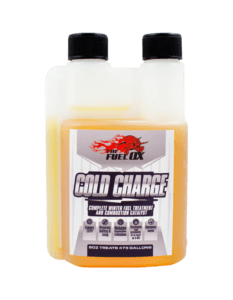
Fuel Ox® Cold Charge isn’t just an anti-gel, it’s a dual-purpose powerhouse. It enhances combustion efficiency by 7–10%, cuts down on emissions and DPF regens, and improves lubricity in ultra-low sulfur diesel. The result? Fewer problems in winter, better fuel economy, and longer engine life, all in one easy treatment.

Final Thoughts: What Is Winter Diesel and Why Does It Matter?

Winter diesel fuel isn’t just a seasonal novelty, it’s a critical component of keeping your equipment, trucks, and engines running in cold climates. It protects your fuel system, reduces the risk of gelled fuel, and helps prevent breakdowns when every minute matters.

Winter conditions are unforgiving. But with the right blend, smart use of additives, and a few cold-weather habits, you can protect your power, your vehicle, and your peace of mind. Because when that first deep freeze hits, you’ll want to know you’re running more than just fuel, you’re running a winter-ready system. And if you are having trouble choosing the best winter fuel additive? Just reach out to our team at Fuel Ox, we are happy to help.