 All-Season Fuel Additives
 Winter Fuel Additives
 Lubricants & Greases
 Heating Oil Treatments
 Marine Fuel Additives
 Over The Road (OTR) Line
 Value Packs
 Gear & Gifts
 Fuel Terminals & Stations
 Heavy Machinery
 Marine
 Mining
 Municipalities
 Transportation
 Trucking
 Expulsion/Regeneration
 Fuel Contaminants
 Fuel Instability
 Low Fuel Efficiency
 Maintenance & Repairs
 Sludge Buildup
 Water/Condensation
 Metal to Metal Seizure
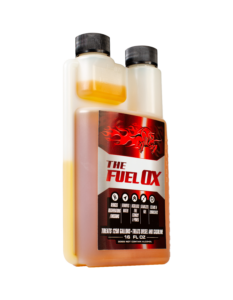
Fuel Ox® with Combustion Catalyst
All-Season Fuel Additives, Expulsion/Regeneration, Fuel Contaminants, Fuel Instability, Fuel Terminals & Stations, Heavy Machinery, Low Fuel Efficiency, Maintenance & Repairs, Marine, Mining, Municipalities, Sludge Buildup, Transportation, Trucking, Workboats
Price range: $24.99 through $432
Select options
This product has multiple variants. The options may be chosen on the product page
Fuel Ox® with Combustion Catalyst additive is a unique, proprietary fuel treatment unlike any other product on the market. Our combustion catalyst fuel additive enhances stability and offers powerful dispersant-detergent capabilities, making it essential for addressing core problems found in any middle distillate fuel - whether it is gas, diesel, or HFO. It also contains a maintenance level biocide to keep bacteria from growing in your tanks.
Benefits:
- Better fuel efficiency
- Reduced emissions
- 50%+ less regenerations needed
- EGR Coolers and valves and all sensors stay cleaner
- Injectors last longer
- Less downtime & parts replacement due to emissions system failures
- Overall reduction in maintenance costs
- Reduced DEF usage of 15-20%
- No bacteria growing in your tanks
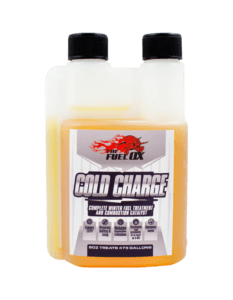
Fuel Ox® Cold Charge
Fuel Terminals & Stations, Heavy Machinery, Marine, Mining, Municipalities, Transportation, Trucking, Winter Fuel Additives, Workboats
Price range: $38.99 through $432
Select options
This product has multiple variants. The options may be chosen on the product page
When winter weather strikes, your diesel engine needs more than just a basic additive, it needs serious protection and performance enhancement. Fuel Ox® Cold Charge is our premium winter fuel treatment, engineered to fight freezing temps, improve fuel combustion, and keep your engine running clean and strong.
Key Benefits:
- Two-In-One Formula: Combines the power of Fuel Ox® with Combustion Catalyst and Freeze Guard into one supercharged cold-weather additive.
- Improves Fuel Economy by 7–10%: Patented combustion catalyst enables a more complete and efficient burn.
- Reduces Regens and Emissions: Cleaner combustion means less soot buildup, fewer DPF regens, and lower emissions.
- Prevents Fuel Gelling and Icing: Dissolves suspended water and controls wax formation to avoid filter plugging and flow issues.
- Restores Lost Lubricity: Replenishes lubricants lost in ULSD, protecting injectors and upper cylinder components.
- Cleans Fuel System: Built-in detergents scrub injectors, fuel lines, and tanks for optimal performance.
- Lowers Fuel Pour Point by 15°–20°F: Prevents diesel fuel from gelling in cold temperatures to ensure reliable starts.
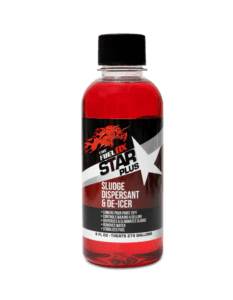
Fuel Ox® Star Plus™
Fuel Contaminants, Fuel Instability, Heating Oil Treatments, Low Fuel Efficiency, Maintenance & Repairs, Sludge Buildup, Water/Condensation
Price range: $16.50 through $100
Select options
This product has multiple variants. The options may be chosen on the product page
Fuel Ox® Star Plus™ is designed to improve the efficiency of the fuel systems and greatly reduce common fuel related issues and service calls during the winter months. This includes stabilization, gelled fuel and ice, sludge buildup, water, and corrosion. Bio-blend fuels degrade more quickly and gum up the interior components of fuel systems. Oxidation of fuel creates an acidic environment causing deterioration of seals and the gumming up of interior components Fuel Ox® Star Plus™ prevents the oxidation of fuel and keeps bio-blends stable. Fuel Ox® Star Plus™ can be used in both indoor and outdoor heating oil tanks.
Infinity Lube™ Super Grease
Fuel Terminals & Stations, Heavy Machinery, Lubricants & Greases, Marine, Metal to Metal Seizure, Mining, Transportation, Trucking, Workboats
Price range: $14.99 through $1,300
Select options
This product has multiple variants. The options may be chosen on the product page
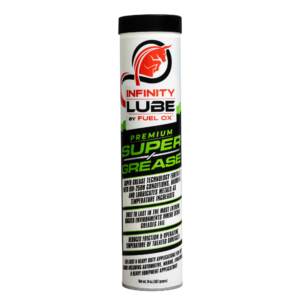
When equipment is pushed to the limit, whether in construction, transportation, manufacturing, or heavy-duty industry, the wrong grease can mean costly downtime, friction damage, and premature wear. Fuel Ox® Infinity Lube™ Super Grease was created to solve that problem. Fortified with Infinity Lube™ concentrate technology, this high-performance grease is designed to keep machinery running smoother, longer, and stronger, even under the harshest conditions.
Key Benefits:

- Extreme Durability: Withstands high loads, rugged environments, and both light and heavy-duty applications.
- Superior Sustainability: Lasts many times longer than competitor greases, reducing reapplication needs.
- Top Pressure Protection: Delivers the highest level of pressure resistance at all operating speeds.
- Thermal Stability: Resists oxidation and oil separation, even at elevated temperatures.
- Water Resistance: Guards against corrosion and water washout in wet and dirty environments.
- Friction Reduction: Metal-conditioning formula smooths and strengthens surfaces at the micron level.
- Continuous Lubrication: Maintains a protective barrier to minimize wear and extend component life.
Fuel Ox® Star Plus™ Bio
Fuel Contaminants, Fuel Instability, Heating Oil Treatments, Low Fuel Efficiency, Maintenance & Repairs, Sludge Buildup, Water/Condensation
Price range: $19.99 through $375
Select options
This product has multiple variants. The options may be chosen on the product page
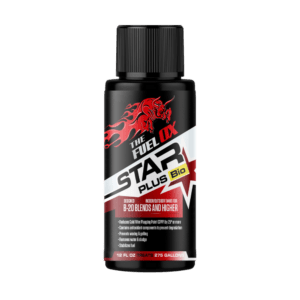
Fuel Ox® Star Plus™ Bio is a heating oil additive for both outside and inside tanks designed specifically for B-20 blends and higher. It is made to enhance fuel system efficiency and significantly minimize prevalent fuel-related problems and service calls in the winter season. One of its primary purposes is to lower the Cold Filter Plugging Point (CFPP) well beyond any existing heating oil additive. Beyond that it also effectively addresses concerns such as stabilization, icing, sludge buildup, water contamination, microbial growth and corrosion. Bio-blend fuels have a tendency to degrade rapidly and cause blockages in the internal components of fuel systems. Fuel oxidation leads to an acidic environment that deteriorates seals and results in seal failure and the clogging of interior components. By preventing fuel oxidation and maintaining the stability of bio-blends, Fuel Ox® Star Plus™ Bio safeguards against these issues. It is great for use in both indoor and outdoor heating oil tanks.