

News
Diesel Fuel Cleanliness: A Guide to Engine Reliability

Sure, diesel fuel cleanliness may not be the most thrilling topic on your to-do list. But if you run a fleet, manage backup power systems, or just care about keeping your engine out of the shop, this one matters. A lot.
The truth is, diesel fuel engines aren’t what they used to be. Today’s systems are faster, cleaner, and far more precise, but that also means they’re less forgiving. A single drop of emulsified water or speck of dirt? That’s all it takes to clog fuel filters and send engine performance straight into the gutter.
But don’t sweat it, our team at Fuel Ox will break it all down: what fuel cleanliness actually means, why your equipment depends on it, and how you can stay one step ahead of contamination.
Key Takeaways
- Contaminated diesel fuel can cause clogged filters, injector failure, and costly engine damage.
- Water is the most harmful contaminant, accelerating rust, microbial growth, and fuel system breakdowns.
- Modern high-pressure fuel systems require ultra-clean fuel to maintain performance and reliability.
- Routine maintenance, like draining water separators and replacing filters, is critical for fuel cleanliness.
- Storage tanks must be cleaned and monitored regularly to prevent sludge, corrosion, and microbial contamination.
- Fuel Ox® additives improve combustion, prevent microbial growth, and keep stored diesel clean and ready to use.
What Is Diesel Fuel Cleanliness All About?
Definition and Importance
Let’s start simple. Diesel fuel cleanliness means fuel that’s free from contaminants like solid particles, free water, fungal growth, and oxidation byproducts. In simple terms, it’s how clean your fuel is as it moves through your fuel injection system, filters, and into the combustion chamber. But the impact? Huge.
When you’re running on quality fuel, your engine runs smoother, lasts longer, and costs less to maintain. Fuel degradation leads to clogged injectors, decreased filter effectiveness, and all sorts of headaches for your fuel system. That’s why meeting fuel cleanliness standards, like the ISO cleanliness code or ASTM standards, isn’t just a suggestion, it’s essential for reliability.
Who Should Care
Honestly? Anyone relying on diesel for serious work. But especially:
- Fleet operators: With dozens (or hundreds) of vehicles, one case of contaminated fuel can quickly spread chaos. Delayed deliveries, clogged fuel filters, and unexpected downtime can chip away at your bottom line fast.
- Industrial users: If you’re powering mission critical facilities, like data centers, hospitals, or remote sites, your generator depends on clean stored fuel to fire up instantly. You don’t want your fuel tank to be the root cause of a system failure.
- Diesel truck owners and mechanics: You know the drill, fuel maintenance is part of the job. You’ve seen what water contamination, microbial contamination, and sludge can do to fuel injectors and fuel lines. You either stay ahead of it, or you pay for it later.
The Hidden Dangers Lurking in Contaminated Diesel
Common Diesel Fuel Contaminants
Dirty diesel doesn’t always look dirty. That’s the problem. You might be running on fuel that seems fine, until your filter starts clogging, or your power output drops. Common fuel contamination culprits include:
- Water: Whether from condensation in storage tanks, leaky caps, or bad fuel storage habits, water is enemy number one. Especially when water content goes unnoticed.
- Rust: A byproduct of corrosion in metal fuel tanks or fuel lines. It flakes off and becomes tiny but damaging particles.
- Dirt and dust: Kicked up during refueling or sucked in through vents. If your filtration isn’t top-notch, or if you’ve skipped recent fuel polishing, this stuff builds fast.
- Soot and carbon: Often recirculated through EGR systems or left behind from poor combustion.
- Microbial growth (“diesel bug”): Where there’s water present, there’s a risk of bacteria and fungal growth. Over time, they create thick mats that plug everything from filters to injectors.
Why Water Is the Worst Offender
Among all the contaminants, water contamination causes the most long-term havoc:
- It accelerates rust and corrosion inside your fuel system. That damage spreads like wildfire.
- It wrecks lubricity, making it harder for fuel pumps and injectors to move without friction.
- It encourages microbial contamination, creating a breeding ground for diesel bug and slimy, acidic byproducts that cling to your filter like a bad habit.
Once microbial growth starts, expect a mess: clog fuel filters, erratic fuel flow, and maintenance calls that eat up your weekend.
How Contaminants Damage Diesel Engines
Here’s the domino effect. Once fuel contamination sneaks in, your engine starts to feel it, fast:
- Fuel filters clog up, sometimes in a matter of hours if the fuel quality is low.
- Injectors misfire or fail altogether. This throws off spray patterns and combustion, reducing both efficiency and power.
- Fuel pumps wear prematurely, dragging the whole system down.
- Injection timing goes sideways. And when that happens, so does your engine performance.
End result? Downtime. Lost revenue. A whole lot of preventable problems.
The High Stakes for Modern Engines
Sensitivity of High-Pressure Common Rail Systems
Modern fuel injection systems are engineering marvels, but they don’t play nice with dirty fluid. High-pressure common rail (HPCR) systems operate on ridiculously tight tolerances, sometimes as tight as 2–5 microns. Just imagine trying to keep particles larger than that out of your fuel stream. It’s tough, but not impossible.
That’s why proper fuel filtration, with known beta ratings and scheduled fuel testing, matters so much. You’re not just protecting components, you’re preserving your whole power system.
Dirty Fuel’s Impact on Engine Output
Think dirty fuel just causes a hiccup or two? Think again. Over time, it erodes everything you rely on:
- Incomplete combustion wastes fuel, leaves carbon behind, and generates excess heat and air pollutants.
- Black smoke tells the world your fuel injectors are struggling.
- Loss of acceleration or torque means the fuel flow just isn’t delivering.
- Fuel economy tanks, literally and figuratively.
Eventually, the whole thing becomes a feedback loop of inefficiency, maintenance, and lost power.
Best Practices for Maintaining Diesel Fuel Cleanliness
Use High-Quality Diesel Fuel
Start with the basics: always buy quality fuel. Using Ultra-Low Sulfur Diesel from reputable suppliers reduces the risk of fuel contamination, water content issues, and solid particles entering your fuel system. Quality diesel is handled, transported, and stored under tighter controls that support long-term fuel cleanliness standards.
If you want to be proactive, consider periodic fuel testing. Pull fuel samples and check for water present, particles larger than acceptable limits, or early signs of fuel degradation. Many operations use ISO cleanliness code or ASTM standards to verify fuel quality. It’s a small step that helps you identify the root cause before problems reach the engine.
Follow Strict Filter Maintenance Schedules
Your fuel filters are the frontline defense for your equipment. They capture dirt, rust, sludge, and solid particles before they damage sensitive components. But filters only work when they’re maintained.
As a general rule, replace filters every 10,000–15,000 miles or 200–300 hours. In dusty environments, older systems, or operations with inconsistent fuel sources, shorten that interval. When contamination levels rise, filters lose effectiveness and can clog, restricting fuel flow and starving the engine.
Drain Water Separators Weekly
Water contamination is one of the most common and most damaging issues. Drain separators weekly and more often in humid climates or outdoor operations where air and temperature changes pull moisture into the tank.
Warning signs of water content issues include rough operation, inconsistent power, hard starts, or visible sludge in filters. If water present isn’t removed quickly, microbes multiply, forming acids and biomass that plug fuel lines and clog the fuel injection system.
Clean and Maintain Fuel Storage Tanks
If you rely on fuel storage, your storage tanks need attention. Whether you’re managing fleets, construction equipment, or mission critical facilities like hospitals or data centers, the fuel tank environment determines long-term fuel quality.
Over time, stored fuel breaks down through oxidation and heat exposure. Water settles at the bottom. Microbial growth follows. The result is sludge, corrosion, and contaminated fuel.
Schedule professional tank cleaning every 2–3 years, or sooner if you notice filter plugging, dark fuel, or declining engine performance. Regular inspection and cleaning remove accumulated contaminants and restore proper fuel cleanliness.
Boosting Diesel Fuel Quality With Additives From Fuel Ox®
Even clean diesel benefits from targeted additive strategies. Fuel Ox® offers advanced solutions to maintain fuel cleanliness and protect your system.
Fuel Ox® with Combustion Catalyst
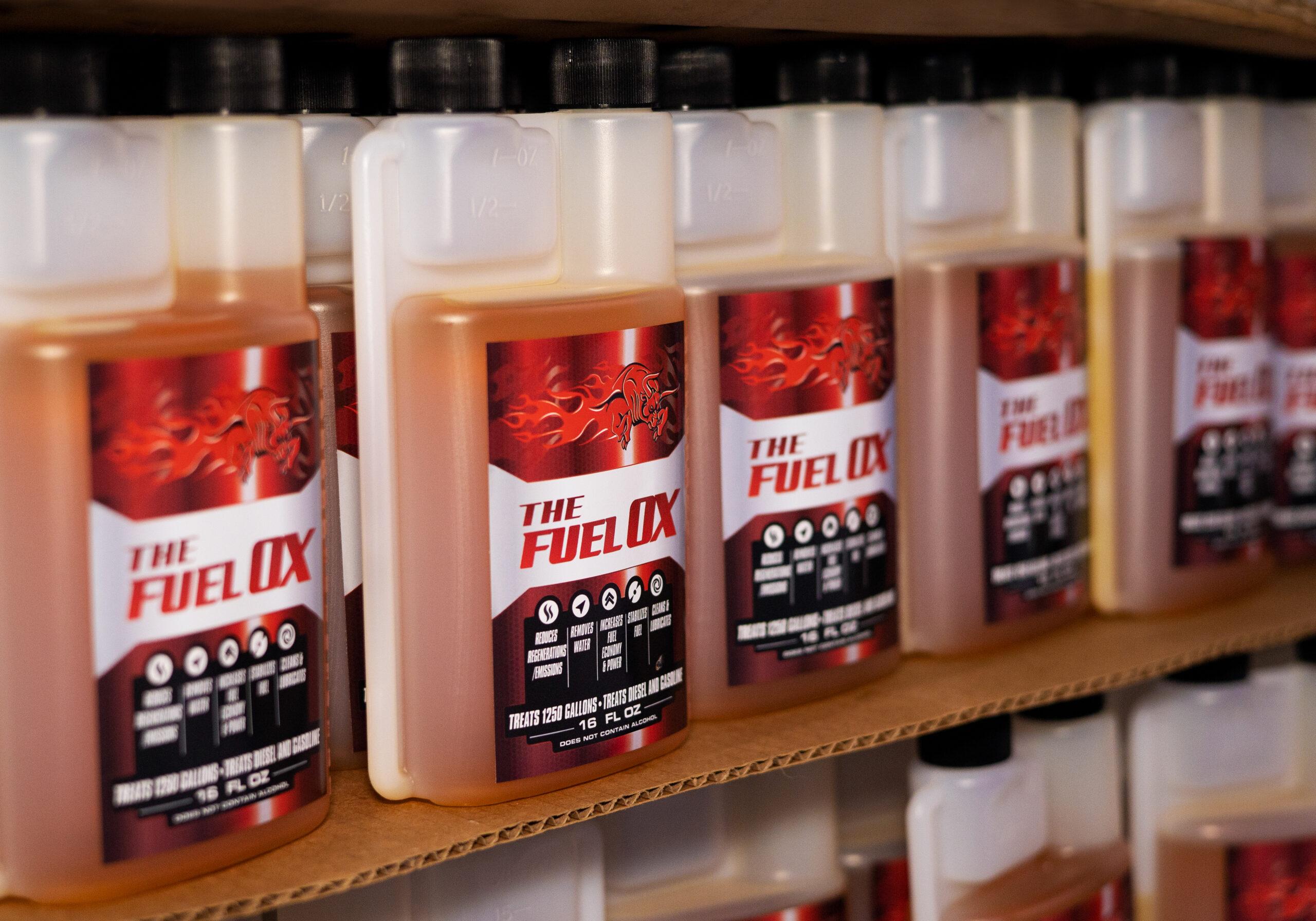
Fuel Ox with Combustion Catalyst Improve combustion, cut emissions, and protect components, this all-in-one additive works in any diesel, gas, or HFO-powered engine.
- Boosts fuel economy up to 10%
- Reduces DPF regens by over 50%
- Cuts DEF usage by 15–20%
- Prevents injector and sensor fouling
- Stops microbial growth in storage tanks
It’s a simple, high-impact way to get better performance out of your fuel while keeping critical systems like injectors, sensors, and emissions equipment cleaner for longer.
Fuel Ox® Vantage™
Built for long-term storage and heavy fuel blends, Fuel Ox® Vantage is a next-generation stabilizer and dispersant with 2.5x the active concentration of our standard formula.
- Breaks up asphaltene clusters
- Disperses sludge and particulate matter
- Improves filterability and combustion stability
- Ideal for 6–12+ month fuel storage
- Designed for HFO, marine blends, and residual fuels
Perfect for hospitals, data centers, hotels, or any site with standby generators, Vantage helps keep stored fuel clean, stable, and ready to burn, reducing waste, injector fouling, and filter clogging before they become problems.
Long-Term Benefits of Diesel Fuel Cleanliness
Reduced Downtime and Repair Costs
Clean fuel protects the entire fuel system, from filters and fuel lines to injectors and pumps. When contamination is controlled, you avoid emergency service events, clogged components, and costly repairs.
Less contamination means fewer unexpected failures. And in operations where downtime costs thousands per hour, that reliability matters.
Extended Engine Lifespan
Engines running on clean fuel experience less wear, less corrosion, and more stable combustion. Over time, that means longer service life for critical components and fewer major overhauls.
If you manage high-value equipment or generators, protecting the fuel injection system is one of the simplest ways to extend engine life.
Improved Operational Efficiency
Better fuel cleanliness improves combustion quality, which improves engine performance, fuel economy, and power output. Engines run smoother, produce less heat stress, and respond better under load.
For fleets, that means lower fuel costs. For facilities, it means reliable power when systems are called to perform.
Final Thoughts: Make Diesel Fuel Cleanliness a Priority
Here’s the bottom line. Diesel fuel cleanliness isn’t a maintenance detail, it’s an operational strategy. Clean fuel supports reliability, protects equipment, and prevents expensive failures.
Start with quality diesel. Monitor fuel storage conditions. Maintain filters, separators, and storage tanks. Use additives where needed. Most importantly, build a fuel cleanliness protocol that fits your operation. Because prevention is always cheaper than repair.
And if you need help choosing the best additive for your particular application? Just get in touch with our team at Fuel Ox – we are happy to help.


