

News
Fuel Additive for Old Gas: Can You Save Stale Fuel?
Old gasoline can turn a reliable engine into a stubborn, stalling mess. Whether it’s lawn mowers, generators, or even classic cars that have been sitting idle, stale gas is more than just a nuisance, it’s a real threat to your fuel system.
But here’s the question: is there a fuel additive for old gas or bad gas that can restore it to a useable condition? The answer depends on how old the fuel is, what kind it is (ethanol blends, diesel fuel, or non ethanol gasoline), and whether it has already undergone phase separation. As an industry leader in fuel additives, our team at Fuel Ox has all the answers you are looking for – we’ll walk you through it.
Key Takeaways
- Degradation Timeline: Gasoline typically begins to lose its chemical integrity and combustion effectiveness within 3 to 6 months of storage.
- Signs of Stale Fuel: You can identify bad gas by a dark or murky appearance and a sour, varnish-like odor caused by oxidation.
- Salvage Potential: Fuel that is only slightly old can often be saved by mixing it with fresh gasoline at a 3:1 ratio.
- The “Point of No Return”: Gasoline that is over a year old or has undergone phase separation cannot be restored and should be drained and discarded.
- Prevention is Key: To avoid engine damage, treat fresh fuel immediately with stabilizers and store it in airtight containers in a cool, dry place.
- Performance Restoration: Using Fuel Ox® with Combustion Catalyst can stabilize aging fuel, clean injectors, and improve the ignition of degraded gas.
Understanding Old and Stale Gasoline
What Happens When Gasoline Ages?
When gasoline sits for too long, whether in a car, diesel tank, or gas can, it starts to degrade. Here’s what’s happening behind the scenes:
- Loss of volatility and octane: Gas starts to lose the lighter, more volatile elements, which are essential for combustion. That’s why old gas won’t fully combust and can harm your engine’s performance.
- Breakdown of chemical structure: The heavier components in the fuel begin to oxidize, forming sticky substances that leave deposits throughout your entire fuel system.
- Formation of gums, varnish, or sediment: Without effective detergent packages, fuel left untreated can form harmful buildup that clogs injectors, combustion areas, and fuel lines.
Whether you’re dealing with ethanol gasoline or regular gas, degradation leads to poor performance, or worse, engine damage.
How Long Does It Take for Fuel to Go Bad?
Here’s a rough timeline based on storage conditions:
- 3–6 months: Gasoline starts to degrade. It might still work fine, especially if it’s been treated with a fuel stabilizer and stored in a full tank to minimize oxygen exposure.
- 1+ year: Now we’re dealing with true old gasoline. It likely won’t burn cleanly, and it’s risky to use in anything but a beater.
- Ethanol blends: These break down faster. In as little as a few weeks in humid conditions, you can experience phase separation, especially in a gas tank that’s only partially full.
How to Identify Bad Gas
You don’t need lab equipment to spot bad fuel. Use your senses:
- Smell: If it smells sour or like shellac, it’s stale. That varnish-like odor means oxidation has kicked in.
- Look: Good fuel is clear or slightly yellow. Old fuel turns dark, murky, or cloudy, sometimes forming two layers if it has phase separated.
- Inspect: Sediment at the bottom of the tank or moisture on the surface is a giveaway. That’s especially common with ethanol fuels in humid areas.
Can You Save Stale Fuel? It Depends.
Slightly Old Fuel (3–6 Months)
If your old gas is only a few months past its prime, and hasn’t undergone phase separation, you’ve got options:
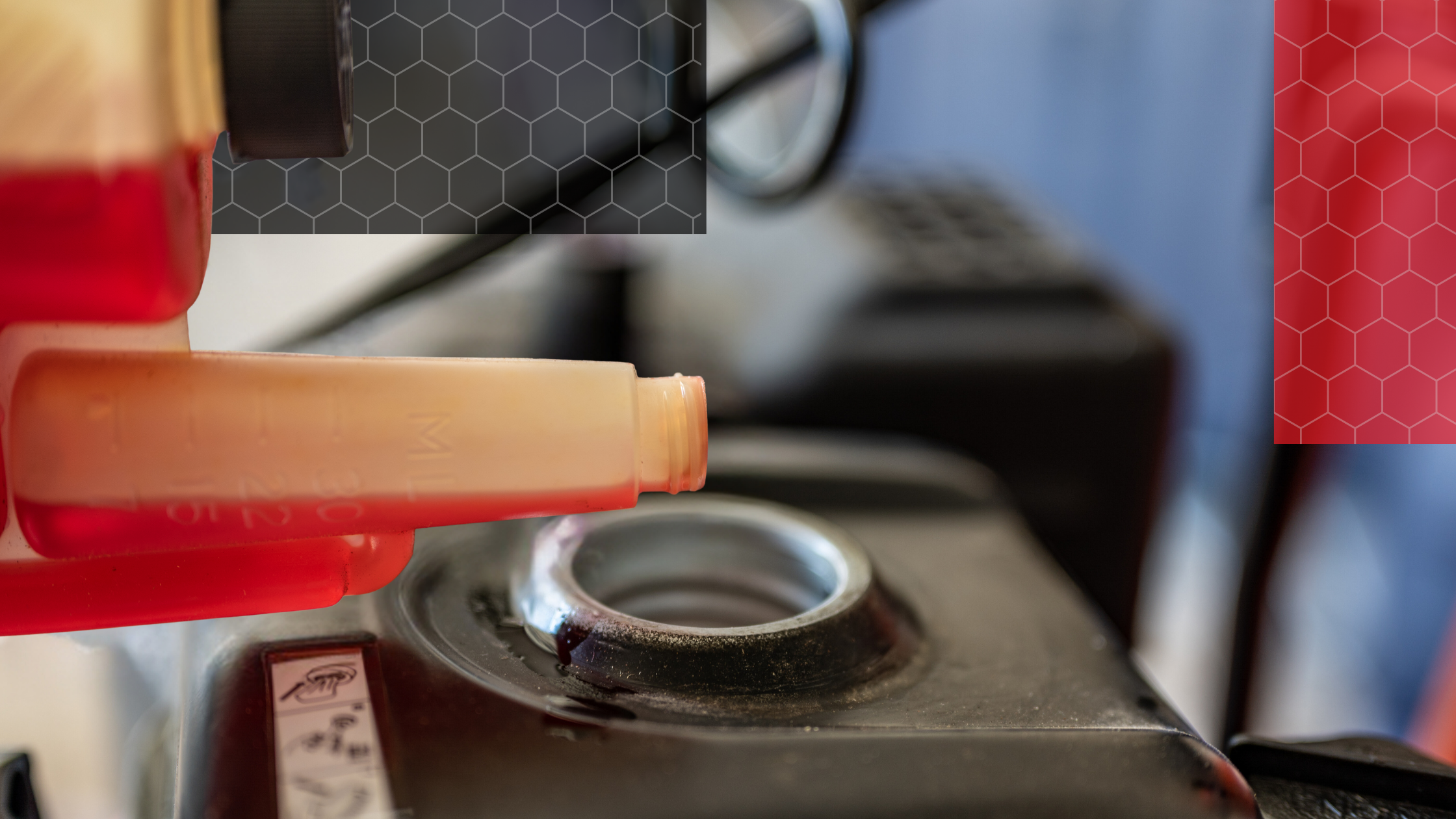
- Use a fuel stabilizer or additive: A fuel additive for old gas or a fuel additive for bad gas like our Fuel Ox® with Combustion Catalyst formula can help restore lost performance by cleaning combustion areas and improving ignition.
- Mix with fresh gasoline: If you have a few gallons of stale gas, try blending it with fresh gas in a higher level ratio, ideally 3:1. Always use fresh fuel from a trusted gas station, not leftover pump gas from last season.
In these cases, a few ounces of the right fuel additive can make the difference between a rough start and a smooth burn.
Truly Stale Fuel (1+ Years)
When you’re looking at year old gas, you’re in tough territory:
- Too degraded to restore: Even premium fuel additives can’t bring back the lost octane or preventing gum formation at this stage.
- May damage your vehicle: Using this stuff in an engine could clog injectors, cause knocking, or worse. It’s especially risky in modern cars with tight tolerances.
- Best to drain tank: Your safest bet is to drain the tank, dispose of the fuel properly, and fill it with new gas.
Don’t gamble on old fuel in expensive or mission-critical equipment. A cheap fix today can lead to a big repair bill tomorrow.
Phase-Separated Ethanol Fuel
When you’re dealing with ethanol issues, it gets messy:
- Water and alcohol separate from the gasoline, creating an unstable, corrosive blend that won’t burn reliably.
- No fuel additive can reverse it: Once you’ve got phase separated fuel, you can’t make it whole again.
- Time to drain and dispose: This stuff belongs in a hazardous waste facility, not your last tank or classic car.
This is one of the reasons we always recommend using a fuel stabilizer upfront, especially with ethanol blended fuel.
Extend the Life of Old Gas with Fuel Ox® with Combustion Catalyst
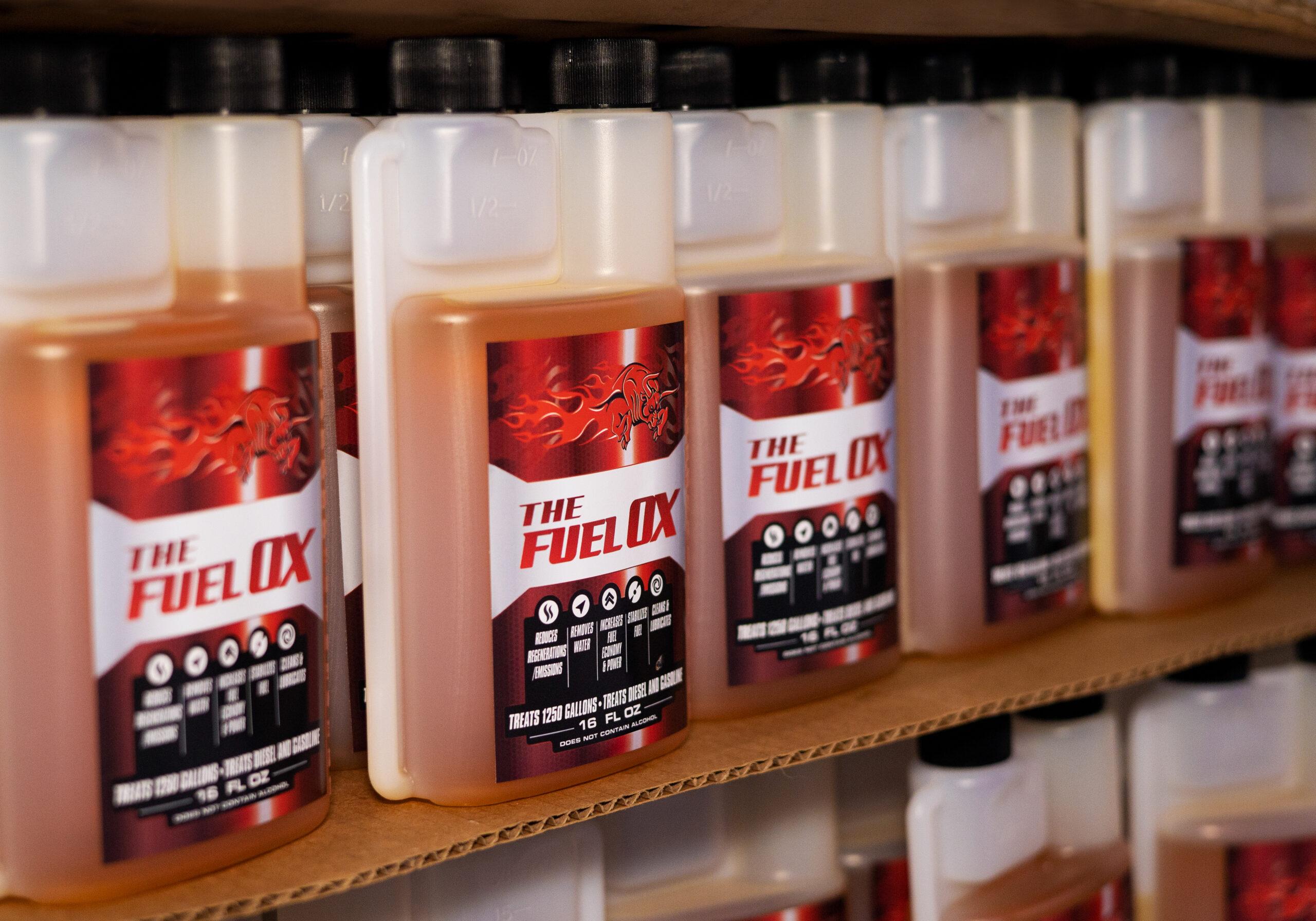
If you’re storing fuel for the long haul, whether it’s gas, diesel, or HFO, you need more than just a stabilizer. Fuel Ox® with Combustion Catalyst is a high-performance additive that not only stabilizes aging fuel but actively enhances its combustion properties. Its patented catalyst modifies the burn rate, ensuring more complete combustion, even in degraded fuel.
That means better efficiency, fewer emissions, and longer engine life, no matter how long that fuel’s been sitting. Plus, with dispersant-detergent agents and a maintenance-level biocide built in, you’re protected against injector fouling, fuel system gumming, and microbial growth in your tanks.
From stored gas in your shed to a backup generator in standby mode, Fuel Ox® helps keep old fuel fresh, effective, and engine-ready. Give your gas a second life, with fewer regens, cleaner sensors, and no costly downtime.
Best Practices When Dealing with Old Gasoline
Blend with Fresh Fuel
Let’s say your old gas still looks mostly clear, hasn’t undergone phase separation, and doesn’t reek like varnish. In that case, you might be able to salvage it by mixing it with fresh gasoline. A safe and effective blend is usually 1 part old fuel to 3–4 parts fresh fuel. This works best in:
- Small engines like leaf blowers, lawn mowers, or string trimmers
- Older or classic cars with less sensitive fuel systems
- Generators or equipment that don’t require ultra-clean combustion
Just don’t use this trick in a daily driver or modern vehicle, the fuel system in those cars is far less forgiving. And steer clear if you’re dealing with ethanol blended fuel that’s a year old or more.
Don’t Use Fuel That Is Too Far Gone
Sometimes, there’s just no saving it. If your gasoline has split into two layers, smells harsh, or contains visible particles, it’s likely phase separated or oxidized beyond repair. This is especially common with ethanol fuels, which attract water and break down faster. Trying to use this kind of old fuel can:
- Leave deposits throughout the entire fuel system
- Clog injectors, filters, or lines with heavier components
- Damage combustion areas or reduce your engine’s performance
Bottom line: if it looks or smells off, don’t try to burn it, drain the tank and start fresh.
Dispose of Old Fuel Safely
Tempted to dump it out back? Don’t. Improper disposal of old gasoline is dangerous and illegal. Instead:
- Drain the fuel into a sealed, approved container (never use a food jug)
- Bring it to your local hazardous waste facility or an auto parts store that accepts fuel
- Never dump it into soil, drains, or trash cans
Even just a few ounces of spoiled gas can cause long-term issues if not handled correctly.
How to Prevent Gasoline from Going Bad
Add Fuel Ox® With Combustion Catalyst Immediately
The best way to avoid all this? Stop ethanol related problems before they start. That means treating pump gas with a fuel additive like Fuel Ox® as soon as you fill up. Here’s why it works:
- Our formulas contain effective detergent packages and stabilizer chemistries to extend fuel storage life
- They help prevent gum and varnish buildup in ethanol blends
- They’re perfect for non ethanol gasoline, diesel fuel, and even specialty uses like collector cars
Even a few ounces of our fuel additive can preserve gallons of fuel for years.
Store Fuel in a Cool, Dry Location
High temps and sunlight are a death sentence for fuel storage. If you’re using regular gas or ethanol gasoline, keep it cool and airtight to prevent evaporation and oxidation. Best practices:
- Use sealed, approved containers (no milk jugs or soda bottles)
- Store them out of direct sun and away from heat sources
- Label your containers so you know how old the fuel is
Trust us, keeping your full tank shaded can make all the difference.
Final Thoughts: Can Fuel Additives Really Save Old Gas?
So, what’s the final answer? Well, like most things in life: the answer depends. If the old gasoline hasn’t turned nasty and hasn’t been sitting for a few years, you’ve got a shot. Blending it with fresh fuel and adding Fuel Ox® With Combustion Catalyst will absolutely help, especially if you act early and don’t ignore warning signs.
But if it’s phase separated, dark, or smells like paint thinner? It’s done. Not even the best fuel additive can bring that back. Ultimately, your best bet is staying ahead of the curve. Regularly treating fuel with Fuel Ox® helps preserve quality, prevent ethanol issues, and keep your vehicle, tools, and diesel or gasoline-powered equipment ready to roll.
Keep your tanks treated, rotated, and out of the sun, and your engines will thank you. Not sure which Fuel Ox® product fits your needs? Reach out. We’re here to help you protect your fuel system, your investment, and your peace of mind.


