

News
How to Clean a Diesel Fuel Tank: The Step-by-Step Guide

To clean a diesel fuel tank, drain all diesel fuel, remove water and sludge, scrub the inside of the tank, rinse it, dry it completely, and treat the fuel system with a biocide. This process removes contaminants that clog fuel filters and restores proper fuel flow.
In real-world conditions, tank cleaning isn’t done as routine maintenance just for the sake of it. A diesel tank usually needs attention because fuel filters clog too often, the primary fuel filter loads up with dirt and contaminants, or equipment that once ran smoothly begins to struggle. After cleaning, treating fresh diesel fuel with a stabilizer like those offered by Fuel Ox helps protect fuel quality, control moisture, and reduce the conditions that lead to sludge and repeat contamination.
While the exact process varies depending on tank size, access hatches, limited access points, and equipment type, the core job remains the same whether you’re cleaning a tractor, generator, storage tank, or vehicle fuel tank. Do the job right once, and you protect the fuel system. Cut corners, and you risk repeating the process sooner than expected.
Key Takeaways
- Cleaning a diesel fuel tank means removing water, sludge, and residue, not just draining old fuel.
- Water contamination is the root cause of diesel bug, sludge buildup, and recurring filter clogs.
- Skipping thorough drying or leaving residue behind almost guarantees contamination will return.
- Physical cleaning combined with a biocide treatment is the only reliable way to stop microbial growth.
- Routine inspections, moisture control, and proper fuel storage prevent costly fuel system damage.
- Treating fresh diesel with a stabilizer like Fuel Ox helps protect fuel quality and reduce repeat contamination.
Why Diesel Fuel Tanks Get Contaminated
Diesel fuel behaves very differently from gasoline once it sits in a tank. Gasoline evaporates quickly and doesn’t support microbial growth. Diesel, on the other hand, is stable enough that bacteria and fungi can live comfortably when water is present. That stability makes diesel fuel ideal for storage, but it also makes a diesel fuel tank more vulnerable to contamination.
Water enters a fuel tank through condensation, damaged vents, leaking seals, or poor-quality fuel. Temperature changes and humidity allow moisture to collect, especially when tanks sit half full. Once water settles at the bottom, microbes feed at the fuel-water boundary and multiply, forming sludge and residue inside the tank. These microbes multiply and will eventually form a “bloom” that will become dense enough that it will eventually make its way into the fuel line and then clog filters or worse, damage injectors. Molds can also grow and attach to the sides of the tank causing corrosion.
Sludge is actually the agglomeration of the fuel which is the growth of the carbon chains that over time will turn diesel fuel into a tar-like substance. When this sludge breaks loose, it moves through the fuel line and into the fuel system. Fuel filters begin to clog, fuel flow slows, and engine power drops. During inspections or filter changes, dark fuel, sediment, or slimy residue is often the first warning sign. At that point, cleaning the tank instead of only replacing filters is the only effective solution.
Problems Caused by a Dirty Diesel Fuel Tank
A dirty fuel tank restricts fuel flow as sludge, dirt, rust, and debris move through the system. Pumps work harder, injectors receive uneven fuel, and clogged filters become a recurring problem.
Engine performance suffers quickly. Power drops, fuel efficiency declines, smoke increases, and breakdowns become more common. Frequent filter replacement, unexpected downtime, and fuel system repairs turn a small problem into an expensive job.
If the tank isn’t cleaned thoroughly, contamination almost always returns. Moisture, residue, or leftover biofilm inside the tank can restart microbial growth within weeks, making partial cleaning a wasted effort.
Safety Precautions Before Cleaning a Diesel Fuel Tank
Diesel is less volatile than gasoline, but it still poses risks. Fuel fumes can cause dizziness, prolonged skin contact can irritate or burn, and spilled fuel creates environmental and fire hazards. These safety precautions should never be skipped.
Before starting, plan how you’ll drain the tank, control spills, and dispose of waste safely. Have absorbent materials ready, work on stable ground, and never allow diesel fuel, wash water, or contaminants to enter soil or drains.
Personal Protective Equipment (PPE)
Wear chemical-resistant gloves, safety goggles, and long sleeves. Diesel sludge often contains bacteria, oil residue, and sharp debris that can cause infection through small cuts.
When working in enclosed spaces or tanks with limited access, respiratory protection is critical. A respirator rated for organic fumes reduces risk when vapors build up or when strong cleaning solutions are used.
Workspace and Fire Safety
Ventilation matters. Work outdoors when possible, or ensure strong airflow using explosion-safe fans. Never work near open flames, sparks, or unapproved electrical tools.
Avoid ignition sources entirely. Even though diesel doesn’t ignite easily, fuel vapors mixed with air still present a fire risk.
Fuel Containment and Disposal Planning
Approved containers should be ready before you drain the fuel tank. Separate usable fuel from contaminated old fuel to prevent mixing.
Know local disposal rules ahead of time. Sludge, dirty water, and cleaning residue often require licensed disposal services. Planning this step prevents costly delays.
Tools and Supplies Needed to Clean a Diesel Fuel Tank
A diesel-rated pump is required to drain fuel safely. Manual pumps work for smaller tanks, but electric pumps designed for diesel fuel save time on larger jobs.
Scrubbing tools include stiff brushes, scrapers, and non-sparking tools. A long-handled brush helps reach deep areas and corners inside the tank, especially where access is limited.
Use a cleaning solution designed for diesel systems. Diesel-approved degreasers break down sludge without damaging seals. Avoid household cleaners not rated for fuel tanks.
Rinsing tools may include a hose, fresh water, or hot water when appropriate. A pressure washer can help remove stubborn residue, but power washing should only be used if the tank can be dried completely afterward.
Step-by-Step Diesel Fuel Tank Cleaning Process
Step 1 – Draining the Diesel Fuel
Begin by draining all diesel fuel into approved containers. If the top layer appears clean, it may be filtered and reused, but inspect it carefully first.
As the tank empties, watch for water and sludge near the drain hole. These contaminants usually exit last and should be collected separately to avoid mixing with fresh diesel fuel.
Step 2 – Removing Water and Heavy Debris
The bottom of the tank contains the worst material, often called tank bottoms. This includes water, sediment, sludge, rust, and dirt.
Removing this material first prevents spreading contaminants during scrubbing and makes the rest of the cleaning process more effective.
Step 3 – Accessing the Inside of the Tank
Most tanks have access hatches, sending unit openings, or fittings that allow entry. These determine which tools you can use and how well you can clean the inside of the tank.
Internal baffles, tight corners, and complex shapes slow the job. Pay close attention to dead zones where sludge hides, especially in equipment tanks and long storage tanks.
Step 4 – Scrubbing and Degreasing the Interior
Apply the cleaning solution and scrub all surfaces thoroughly. Focus on seams, welds, and low points where residue sticks.
Use steady pressure and take breaks as needed. Rushing increases the risk of missed spots that can cause contamination to return.
Step 5 – Optional Pressure Washing
A pressure washer can help when contamination is severe. Power washing removes stubborn buildup that brushes can’t reach.
This step introduces water, which increases risk. Only use it if you’re equipped to dry the tank completely afterward.
Step 6 – Final Rinse and Residue Removal
Rinse the tank with fresh water to remove loosened debris and cleaning residue. Avoid forcing water into seams or enclosed spaces. Inspect carefully. If sludge, dirt, or residue remains, scrub and rinse again before moving on.
Step 7 – Thorough Drying of the Tank
The tank must be completely dry before refilling. Even small amounts of water can restart microbial growth.
Use airflow, compressed air, absorbent materials, and time. Drying is the most important part of the entire process.
How to Remove and Kill Diesel Bug (Microbial Growth)
What Diesel Bug Is and Why It Comes Back
Diesel bug is microbial growth that forms where diesel fuel meets water. These organisms feed on the iron in the fuel, produce acids, and create sludge that coats tank surfaces.
It often returns because spores and biofilm survive light washing. Seams, baffles, pickup tubes, and return lines are common hiding spots.
Using Biocides After Tank Cleaning
After cleaning the tank, use a diesel fuel additive designed to kill microbes. Biocides reach areas brushes cannot.
A shock dose is typically needed after contamination. Follow manufacturer instructions carefully to avoid damaging fuel system components.
Refilling and Restarting the Fuel System
Refill the tank with fresh diesel from a reliable source. Avoid fuel that has been stored improperly or exposed to moisture.
Inspect fuel lines, seals, and filters during reassembly. Replace questionable components before starting the engine.
Monitor fuel pressure, filters, and engine performance during startup. Fuel filters may clog initially as remaining particles are captured.
Preventing Future Diesel Fuel Tank Contamination
Reducing Moisture Inside the Tank
Keeping tanks full reduces air space and condensation. Drain water separators regularly and inspect vents.
Fuel Storage Best Practices
Use stabilizers for long-term storage, and avoid mixing untreated old fuel with fresh fuel.
Routine Inspection and Maintenance
Inspect filters, separators, and tank drains on a schedule. Early signs of contamination are easier to fix.
When to Consider Professional Diesel Tank Cleaning
Large tanks, marine systems, underground tanks, or repeated contamination may require professional service. Radiator shops or specialized tank cleaning services have the tools and disposal options needed for complex jobs.
How Fuel Ox Helps Keep Diesel Fuel Tanks Clean and Protected
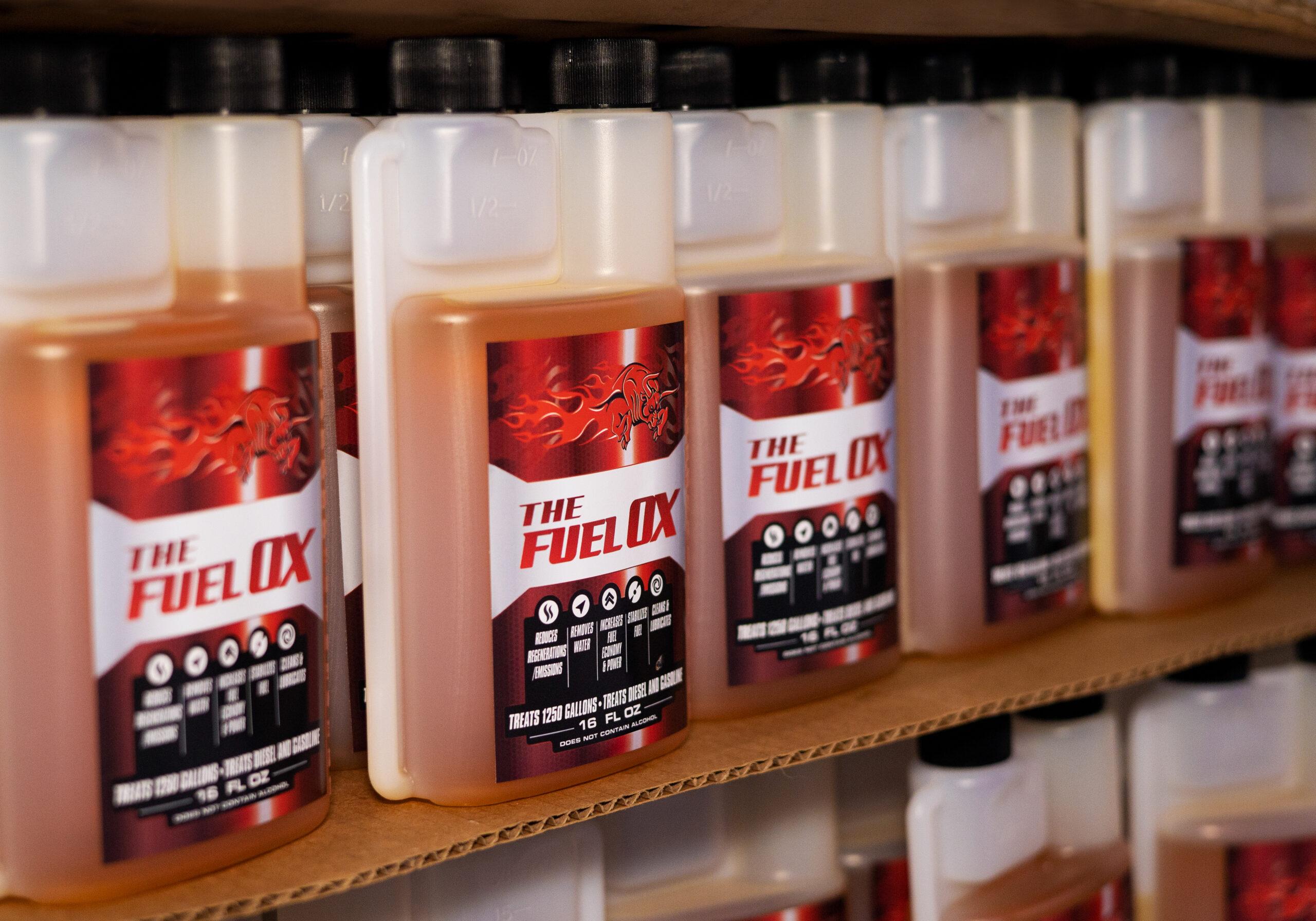
We provide diesel fuel stabilizers and conditioners designed to protect fuel quality and reduce the conditions that lead to tank contamination. Our additives help control moisture, slow fuel degradation, and prevent the formation of sludge and sediment that clog fuel filters and disrupt fuel flow.
After cleaning a diesel fuel tank, treating fresh diesel fuel with Fuel Ox helps maintain fuel stability and protect the fuel system during storage or periods of low use. This added protection reduces the likelihood of repeat contamination and extends the benefits of a thorough tank cleaning.
Final Thoughts on Cleaning a Diesel Fuel Tank
Cleaning a diesel fuel tank requires removing water, sludge, and contaminants, not just draining fuel. Physical cleaning combined with biocide treatment delivers lasting results.
Using clean fuel, maintaining filters, and controlling moisture protect the fuel system. When contamination is severe or persistent, professional cleaning is often the safest and most effective solution.
If you have questions about maintaining clean diesel fuel tanks, preventing moisture buildup, or protecting fresh diesel fuel after cleaning, contact Fuel Ox, and our team will be happy to help.


