

News
What Is DPF Clogging? Causes, Symptoms, and Fixes for Diesel Drivers

If you drive a diesel vehicle, you’ve probably heard of the DPF, or Diesel Particulate Filter. It’s a vital part of your exhaust system that traps harmful soot before it escapes into the air. But when that filter gets clogged, your engine can struggle, your fuel economy can drop, and repair bills can pile up fast.
At Fuel Ox, we’ve helped countless drivers and fleet operators understand and fix DPF issues with industry-leading fuel additives. Our team will explain what DPF clogging is, what causes it, what happens if you ignore it, and how to prevent it, so you can keep your diesel engine running clean, smooth, and strong.
Key Takeaways
- The Diesel Particulate Filter (DPF) traps soot and particulate matter from diesel exhaust to reduce harmful emissions.
- DPF clogging often results from short trips, idling, faulty sensors, poor fuel, or engine issues that prevent proper regeneration.
- Common symptoms include power loss, poor fuel economy, black smoke, warning lights, and hard starts.
- Ignoring a clogged DPF can lead to limp mode (or complete shut down of the motor), turbocharger damage, failed emissions tests, and costly repairs.
- Preventive steps include regular highway driving, prompt engine maintenance, and periodic professional DPF cleaning.
- Fuel Ox® with Combustion Catalyst helps prevent DPF clogging by reducing soot buildup by as much as 70% or more and improving fuel efficiency.
Understanding the Diesel Particulate Filter (DPF)
What the DPF Does
The diesel particulate filter, commonly known as the DPF filter, is a critical part of the exhaust system in diesel vehicles. Its job is to trap soot, ash, and particulate matter from the diesel exhaust before they exit the tailpipe. Without this filter, harmful emissions would enter the air, causing pollution and possibly violating emissions laws.
The DPF system helps reduce emissions, protect the environment, and maintain optimal performance in your diesel engine. It also prevents black smoke, improves air quality, and extends the life of key components like injectors and diesel exhaust fluid (DEF) systems.
How Regeneration Works
To keep the DPF from becoming a blocked DPF or a clogged DPF filter, it must go through a regeneration process. This process burns off the accumulated soot collected inside the filter. Here’s how it works:
- Passive regeneration occurs naturally during long drives at higher speeds, where the exhaust gases get hot enough to burn off the soot buildup on their own.
- Active regeneration happens when the DPF system detects excess soot and raises the diesel exhaust temperature while injecting diesel fuel into the DPF itself to clean the filter.
If the exhaust flow never reaches high enough temperatures, the regeneration fails, and that’s when DPF issues like clogging begin. Over time, this leads to a clogged DPF, poor fuel economy, and even limp mode in modern vehicles or heavy duty trucks.
What Causes DPF Clogging?
Frequent Short Trips and Idling
Taking short trips frequently is one of the most common causes of a clogged DPF. These trips don’t allow the engine to reach high enough temperatures for passive regeneration. As a result, the soot, ash, and particulate matter continue to build up inside the filter, causing a blocked DPF. Idling will have the same effect.
As the DPF fills up with trapped soot, the DPF warning light will appear on your dashboard. If ignored, this can lead to further damage, a loss of power, or difficulty starting the vehicle, especially in diesel trucks that require steady driving conditions for regeneration to complete.
Faulty Sensors
The DPF system relies on sensors to monitor exhaust flow, exhaust emissions, and temperature. If the exhaust gas temperature sensor or pressure sensor fails, the engine may never trigger active regeneration. That means accumulated soot just sits in the DPF, increasing the risk of a clogged filter and DPF warning light activation.
In some cases, manual regeneration or forced regeneration is needed, which often requires a technician and a DPF cleaning service. If delayed, the filter can become severely blocked, leading to costly repairs or even replacement.
Engine Component Failures
When parts of the diesel engine aren’t working right, the results can be damaging to the DPF system. Bad glow plugs, a stuck EGR valve, clogged EGR coolers or a faulty thermostat can keep the engine from warming up properly. This leads to poor diesel combustion, which produces more soot and unburned fuel. That extra buildup can plug the DPF filter faster than usual.
Over time, this causes a drop in fuel efficiency, reduced performance, and an increase in diesel exhaust fluid usage. You might even notice the vehicle doesn’t have its usual power, or that you’re using more fuel than normal.
Symptoms of a Clogged DPF
A clogged DPF filter blocks the normal path of exhaust gases leaving your diesel engine. This filter is designed to trap soot and particulate matter from diesel exhaust, but when too much soot buildup occurs without proper DPF regeneration, the system can get severely blocked. This leads to several common DPF issues that affect performance, fuel economy, and emissions.
Dashboard Warning Lights
One of the earliest signs of a clogged DPF is a DPF warning light or symbol appearing on your dashboard.
- You may see a warning light that flashes or stays on continuously, often shaped like a filter with dots.
- This signals that exhaust flow is restricted due to accumulated soot in the DPF system, and that harmful emissions are increasing.
Modern vehicles rely on this alert to notify drivers before the issue leads to further damage or more costly repairs.
Noticeable Power Loss
Loss of power is a classic sign of a blocked DPF.
- Your diesel truck or car may feel sluggish, with reduced acceleration and poor fuel economy.
- You’ll notice a drop in engine responsiveness, especially when trying to reach higher speeds or carry heavy loads.
This happens because the exhaust system becomes choked, forcing your engine to work harder to push diesel exhaust through the clogged filter, reducing optimal performance.
Increased Fuel Consumption
A clogged DPF filter puts a heavy strain on your engine, leading to increased fuel consumption.
- The vehicle uses more fuel to maintain power and overcome backpressure in the exhaust system.
- This results in lower fuel efficiency, sometimes requiring more frequent fill-ups.
Over time, poor driving habits like repeated short trips, where the engine doesn’t reach high temperatures, can prevent passive regeneration, leading to more frequent clogging.
Unusual Smoke or Odor
Watch your tailpipe. Unusual exhaust emissions can signal a clogged DPF.
- You might see black smoke coming from your diesel vehicle, especially during acceleration.
- A strong, burning diesel smell could also be present, indicating soot is not burning off properly.
This can mean the DPF filter is full, or that the regeneration process has failed. In severe cases, this can lead to environmental concerns due to harmful emissions.
Difficulty Starting the Vehicle
When a DPF becomes severely blocked, your diesel engine may struggle to start.
- You may notice difficulty starting, slow cranking, or in some cases, the vehicle entering limp mode to prevent further damage.
- Heavy duty trucks and diesel vehicles are especially prone to this when the DPF cleaning cycle has been skipped or interrupted.
If manual regeneration or active regeneration fails to trigger automatically, professional servicing may be needed.
How to Fix and Prevent DPF Clogging
When you understand what DPF clogging is, the next step is to prevent clogging and take proper action to avoid DPF system failure. A clogged DPF filter doesn’t always mean replacement, you can take several smart steps to extend DPF life and ensure clean diesel combustion.
Regular Long Drives
One of the best ways to keep your DPF filter clean is with regular long drives.
- Driving your truck or diesel vehicle at highway speeds for at least 20–30 minutes allows the engine to reach high temperatures.
- This enables passive regeneration, which occurs naturally and helps burn off soot before it builds up.
This tip is especially important for city drivers or fleets that make many short trips.
Address Mechanical Issues Promptly
DPF clogging can often be caused by other parts of the engine or exhaust system not working properly.
- Common culprits include faulty temperature or pressure sensors, injectors, thermostats, and EGR valves.
- Replacing these parts quickly and performing proper maintenance prevents DPF issues from escalating.
Delaying small repairs can create soot buildup, which shortens DPF life and affects the air-fuel balance in diesel combustion.
Professional Cleaning Options
If you’ve got a clogged DPF that won’t clear on its own, there are DPF cleaning methods available:
- Forced regeneration can be performed at a shop using special diagnostic tools that heat the filter and burn away accumulated soot.
- In severe cases, the DPF filter may need to be removed for thorough cleaning, or replacement if it’s damaged beyond repair.
Professional shops may also check diesel exhaust fluid (DEF) levels and system performance during the visit.
Stop DPF Clogging Before It Starts with Fuel Ox® with Combustion Catalyst
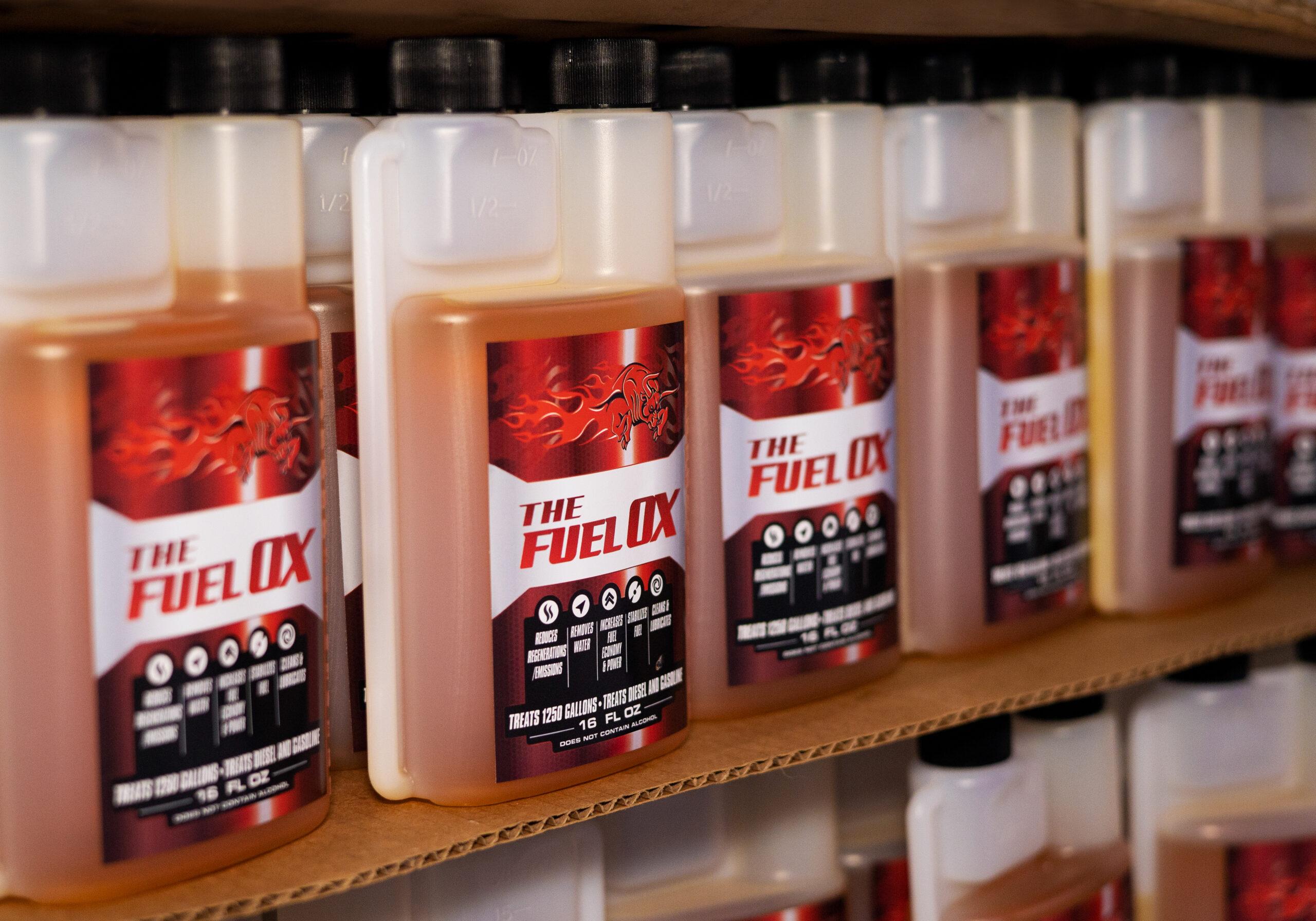
Fuel Ox® with Combustion Catalyst is a powerful fuel additive that prevents DPF issues while improving overall engine performance.
- Reduces soot and regen cycles by as much as 70% while keeping EGR valves, sensors, and injectors clean
- Boosts fuel efficiency and lowers DEF usage by 15–20% for better mileage and lower operating costs
- Prevents bacteria growth in tanks with a built-in maintenance-level biocide
- Works in all internal combustion engines, gas, diesel, or HFO, for cleaner, more efficient combustion
Use it regularly to cut maintenance costs, extend equipment life, and keep your diesel exhaust system running at peak performance.
What Happens If You Ignore a Clogged DPF?
Ignoring a clogged diesel particulate filter (DPF) can lead to much more than just poor engine performance. Over time, the effects of a blocked DPF filter can snowball, damaging your vehicle and hitting your wallet hard. Let’s break down what actually happens if the soot buildup in your DPF is left untreated.
Performance Degradation
When your DPF is clogged, your diesel engine can’t breathe properly. Exhaust gases can’t flow like they should, which puts pressure on the engine. This causes:
- Loss of Power: You’ll likely notice your vehicle feels sluggish. It may struggle to accelerate or tow like it used to. That’s because the engine is working harder to push exhaust through a blocked DPF system.
- Limp Mode Activation: Modern vehicles are built to protect themselves. If the engine senses severe restriction or high backpressure from a blocked DPF, it may activate “limp mode.” This limits your speed and power to prevent further damage.
Performance drops might start off small, but if you don’t fix the issue, you’ll end up with a diesel truck that’s frustrating, and possibly unsafe, to drive.
Expensive Repairs
A clogged DPF filter doesn’t just cause engine stress. It can lead to serious damage in other systems too:
- Turbocharger and Engine Damage: If soot and pressure build up too much, it can lead to cracked turbo housings, failed sensors, and even internal engine damage. These are not cheap fixes.
- DPF Replacement Costs: If passive regeneration or active regeneration fails for too long, the filter may be too blocked to clean. A new DPF can cost over $1,000, and that doesn’t include labor.
In short, what starts as a warning light could end with a massive repair bill.
Emissions Non-Compliance
Your diesel particulate filter plays a big role in reducing harmful emissions like soot and particulate matter. When it’s clogged:
- You Might Fail an Emissions Test: In many areas, especially cities and states with strict environmental rules, a clogged DPF will cause you to fail routine inspections.
- Fines and Repair Requirements: Failing a test may lead to fines or even a forced repair deadline if you want to keep your registration valid.
Ignoring emissions issues isn’t just bad for your engine, it could be illegal depending on where you drive.
Final Thoughts: Keeping Your DPF Healthy
Your DPF is a key part of keeping your diesel vehicle clean, efficient, and road-legal. To avoid problems:
- Follow a Regular Maintenance Schedule: Check the exhaust system, use the right fuel additive, and inspect sensors regularly.
- Drive Smart: Short trips at low speeds don’t allow passive regeneration to work properly. Take your vehicle on longer drives at highway speeds to help burn off soot naturally.
- Don’t Ignore Warning Lights: If you see a DPF warning light or check engine light, act fast. Early attention can save you thousands.
- Use a High-Quality Fuel Additive: Using Fuel Ox® with Combustion Catalyst helps prevent DPF clogging by reducing soot buildup and keeping your engine running cleaner and more efficiently.
Ignoring a clogged DPF doesn’t just hurt your vehicle, it can affect your wallet, your emissions rating, and your peace of mind. Stay ahead of it with proper care and attention – and if you have any questions about our industry-leading Fuel Ox with Combustion Catalyst additive, just reach out to us.


